
- Home
- Buying Guides & Comparisons
- Aftermarket Rubber Tracks: The Smart Buyer’s Guide
Aftermarket Rubber Tracks: The Smart Buyer’s Guide
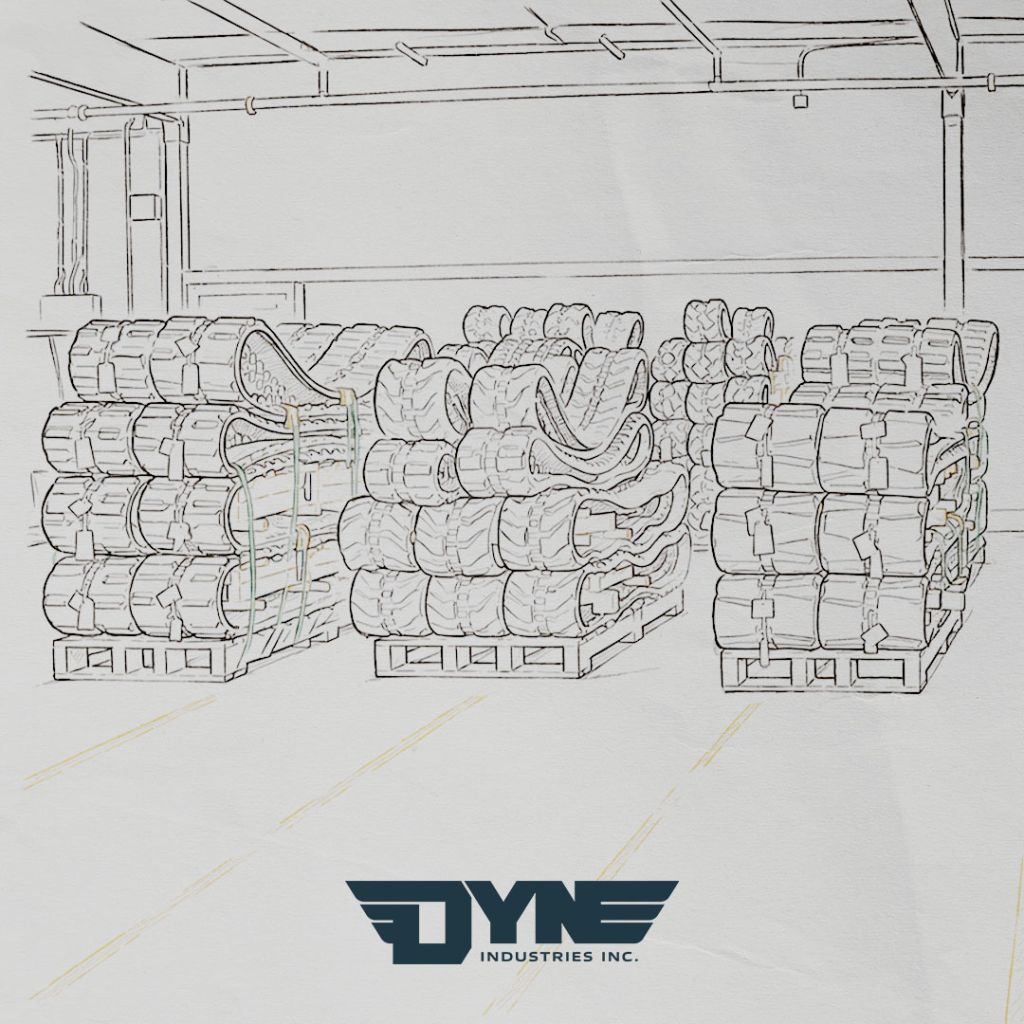
When your machine is down, the job does not wait.
Aftermarket rubber tracks can be a smart way to get your equipment back to work without paying OEM prices or waiting too long for parts. But the right track still has to fit, hold up, and match the work you do.
That matters whether you run a compact track loader, mini excavator, skid steer with a track system, crawler carrier, or agricultural machine.
On the job, a wrong track is more than an order mistake. It can mean a crew waiting, a schedule slipping, and a machine sitting when it should be earning.
This guide breaks down what aftermarket rubber tracks are, how they compare to OEM and steel tracks, what features matter, and how to choose the right set for your machine.
Need tracks now? Find your replacement rubber tracks or request a quote from Dyne Industries Inc.
Find My Tracks
Search your machine make, model, or track size and find rubber tracks built to keep your equipment moving.
What Are Aftermarket Rubber Tracks?
Aftermarket rubber tracks are replacement tracks made by a third-party manufacturer, not the original equipment manufacturer. Let’s break down what that means, because the word “aftermarket” can be misunderstood.
Aftermarket rubber tracks are built to fit specific machines. The right track is matched by details such as:
- Track width
- Pitch
- Number of links
- Guide type
- Drive system
- Undercarriage style
- Machine make and model
These tracks are commonly used on:
- Compact track loaders
- Mini excavators
- Skid steers with track systems
- Multi-terrain loaders
- Crawler carriers and dumpers
- Agricultural equipment
Here is the key: aftermarket does not automatically mean cheap or low quality.
A premium aftermarket rubber track can be a strong replacement option when it is matched properly to the machine and the work. The problem starts when buyers guess at the size, order by model alone, or choose the cheapest track without checking fitment.
In real-world terms, the track has to work with the undercarriage, sprocket, guide system, and terrain. If those details are wrong, even a new track can cause problems fast.
Aftermarket rubber tracks can offer strong value, but the right fit comes first. Next, let’s look at why that matters most when downtime has already hit.
Why Aftermarket Rubber Tracks Matter When Downtime Hits
A worn or failed track can stop the whole job. This section looks at why many contractors, fleet managers, and equipment owners start searching for aftermarket rubber tracks when pressure is already high.
Rubber tracks often fail during busy seasons.
It may happen in spring mud, when the ground is soft and every machine is needed. It may happen during snow work, when the clock is tight. It may happen on a remote job, where getting a replacement track is not simple.
For a fleet manager, downtime affects uptime, cost per hour, and crew productivity.
For an owner-operator, downtime can mean missed workdays and lost revenue.
For a rental company, downtime can mean a machine sitting in the yard instead of working for a customer.
That is why fitment matters as much as speed. Fast shipping only helps if the track that arrives is the right one.
A wrong-fit track can create more downtime. It may de-track, wear faster, damage undercarriage parts, or force another reorder.
Before you order, gather the basics:
- Machine make
- Machine model
- Current track size
- Current tread style
- Photos of the track, if available
- Photos of the undercarriage, if possible
- Main working conditions
Not sure what track fits your machine? Send Dyne your make, model, and current track size. The team can help confirm the right fit before you order.
When downtime hits, the goal is not just to buy quickly. The goal is to get the right track fast so your crew can keep moving.
A Short History of Rubber Tracks
Rubber tracks have come a long way from early agricultural use. This background helps explain why modern aftermarket rubber tracks should be judged as engineered parts, not just rubber belts.
Rubber tracks were first developed to help machines move across soft ground with less surface damage. Early use grew in agriculture, where flotation and soil protection mattered.
Over time, rubber tracks moved into excavators, compact loaders, construction, landscaping, utility work, and other jobs where traction and surface protection both matter.
Compact track loaders helped bring rubber tracks into mainstream construction. From there, rubber track design kept improving.
Today’s premium aftermarket rubber tracks may include:
- Better rubber compounds
- Stronger internal cords
- Improved guide lugs
- Stronger drive links
- Tread patterns for different terrain
- Designs that reduce vibration and improve stability
That matters because modern jobs put real pressure on tracks.
A machine may work in mud one day, gravel the next, and frozen ground later in the season. A good track needs to handle the work without creating more problems.
The main takeaway is simple. Today’s aftermarket rubber tracks are not just a cheaper replacement option. When built and matched properly, they can be a practical way to keep equipment working in tough conditions.
Aftermarket Rubber Tracks vs OEM Rubber Tracks
Many buyers compare aftermarket rubber tracks and OEM rubber tracks before they order. Here’s what to watch for, because the right choice depends on more than price.
OEM rubber tracks are replacement tracks supplied through the original equipment manufacturer or dealer channel. They can be a safe fit when ordered correctly.
Aftermarket rubber tracks are supplied outside the OEM channel. They can offer strong value, more tread choices, and faster sourcing in some cases.
| Factor | Aftermarket Rubber Tracks | OEM Rubber Tracks |
| Cost | Often lower than OEM | Often higher |
| Availability | Can be faster through stocked suppliers | Depends on dealer inventory |
| Fitment | Strong when properly matched | Built for original machine specs |
| Tread options | Often broad | May be more limited |
| Warranty | Varies by supplier and track type | Varies by OEM |
| Support | Depends on supplier expertise | Dealer-based support |
The right answer is not always one or the other.
OEM tracks can be a safe option when you want a direct dealer-supplied replacement.
Premium aftermarket rubber tracks can be a strong option when you want good value, practical tread choices, and fitment support from a supplier who understands replacement tracks.
That said, not every aftermarket track is equal. The quality range is wider. That is why the supplier matters.
A low-cost track can become expensive if it fails early, does not fit, or causes another downtime problem.
In many cases, the smart move is to compare fitment, tread, construction, warranty, support, and availability together. Price matters, but it should not be the only factor.
Aftermarket Rubber Tracks vs Steel Tracks
Rubber and steel tracks are built for different jobs. This section helps you decide which option makes more sense based on your surface, terrain, and daily work.
Rubber tracks are often better for:
- Pavement
- Landscaping
- Residential work
- Turf
- Finished surfaces
- Mixed terrain
- Lower vibration
- Quieter operation
Steel tracks are often better for:
- Demolition
- Scrap yards
- Quarries
- Sharp rock
- Extreme abrasion
- Heavy penetrating traction
On the job, that can mean a big difference.
If you are working near driveways, lawns, sidewalks, or finished surfaces, rubber tracks may help reduce surface damage. They can also give the operator a smoother ride, which matters during long days in the machine.
However, if the machine spends most of its time in sharp rock, scrap, severe demolition, or quarry work, steel tracks may be the better choice.
Here is the key: do not choose rubber or steel based on one feature. Choose based on the work.
Rubber tracks are often the better fit when you need traction, flotation, surface protection, and operator comfort. Steel tracks can make more sense when the jobsite is extremely abrasive or full of sharp debris.
The Main Benefits of Aftermarket Rubber Tracks
Aftermarket rubber tracks can offer several practical benefits when they are chosen carefully. Let’s break down the main reasons buyers consider them.
Lower Downtime
A good aftermarket supplier can help source tracks faster, especially when the right size is in stock.
That matters when a machine is parked and a crew is waiting. Every lost day can affect the schedule.
Better Value
Aftermarket rubber tracks often cost less than OEM options.
For fleets, that can help lower replacement costs across multiple machines. For owner-operators, it can help keep one repair from cutting too deep into the job.
Strong Traction
The right tread pattern can improve grip in mud, snow, dirt, clay, gravel, and mixed jobsite conditions.
This is where the jobsite matters. A track used for snow work may need a different tread than one used for grading, trenching, or landscaping.
Less Ground Damage
Rubber tracks spread machine weight across a larger contact area.
That can help reduce surface damage compared to some tire or steel-track setups, especially on turf, landscaping jobs, and finished areas.
Smoother Ride
Rubber helps reduce vibration and noise.
That matters for operators spending long hours in the machine. Less vibration can make a long workday easier on the operator and the machine.
More Tread Options
Aftermarket suppliers often offer several tread patterns, such as:
- Block
- Bar
- Staggered block
- Zig-zag
- Turf
- Multi-bar
- Hex-style patterns
More tread options can help you match the track to the actual work instead of settling for whatever is available.
Easier Sourcing for Older Machines
Aftermarket suppliers may help source legacy sizes, hard-to-find models, and custom solutions.
That can help if your machine is older, uncommon, or no longer well supported through the dealer channel.
The benefits are real, but they depend on fitment, track quality, and supplier support. A good aftermarket rubber track should help solve downtime, not create another problem.
What Makes a Good Aftermarket Rubber Track?
Not all aftermarket rubber tracks are built the same. This section explains the quality signals to check before you buy.
Correct Fitment
Correct fitment is the first thing to confirm.
That includes:
- Width
- Pitch
- Number of links
- Guide type
- Drive system
- Machine make and model
- Undercarriage condition
If one of these details is wrong, the track may not run properly.
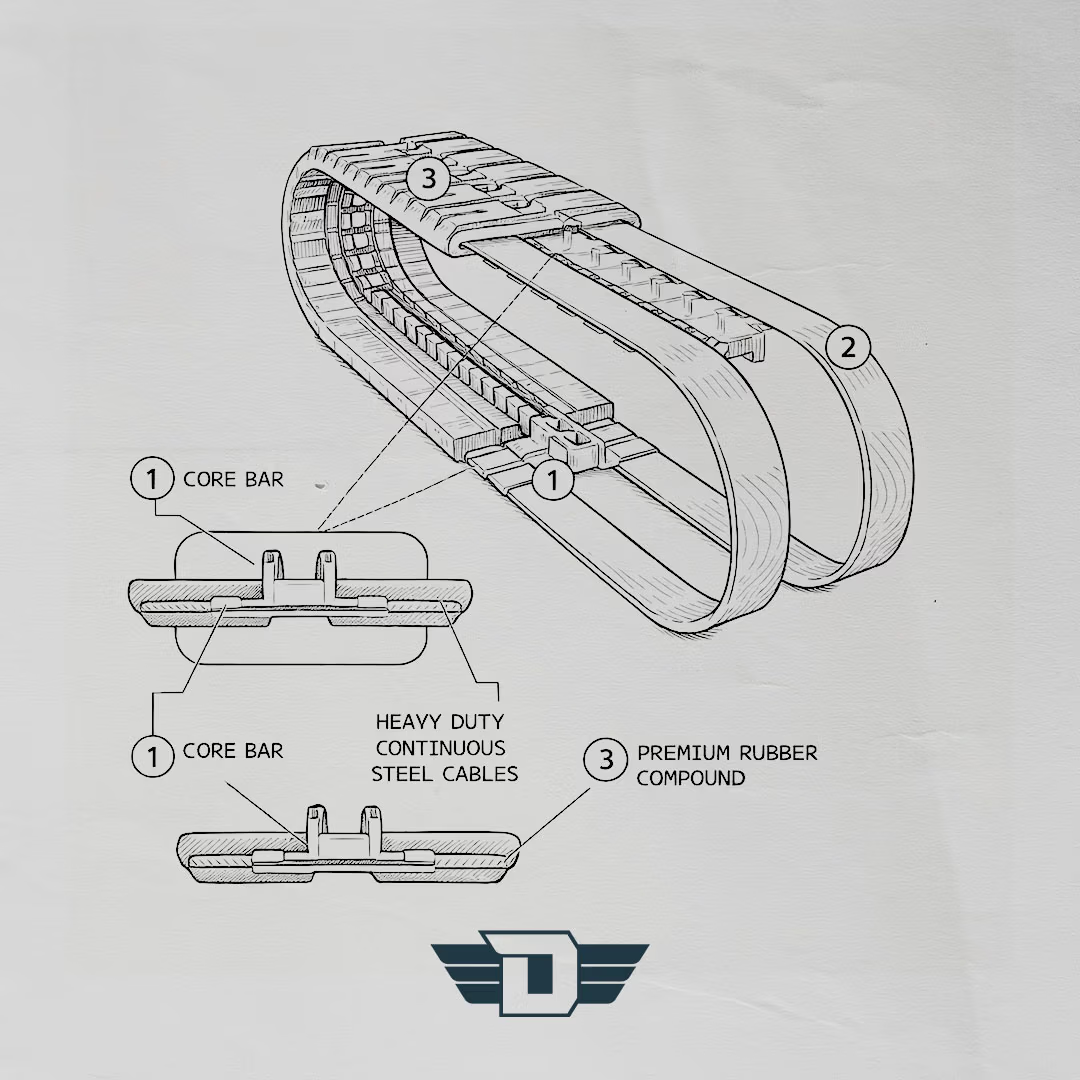
Quality Rubber Compound
Good rubber helps resist cuts, cracks, chunking, and wear.
In practical terms, better rubber can help the track hold up longer under normal use. It can also help the track deal with rough ground, cold weather, and daily jobsite stress.
Continuous Steel Cord Reinforcement
Internal steel cords help with strength, stability, and stretch resistance.
That means more strength, less stretching, and more stable operation under load.
Strong Drive Links and Internal Structure
Drive links and internal construction affect how the track works with the sprocket and undercarriage.
If the internal structure is weak, or if the sprockets are worn, a new track can fail sooner than expected.
Tread Pattern Matched to the Job
The wrong tread can wear faster or perform poorly.
For example, a tread that works well in soft ground may not be the best choice for hard pavement. A smooth-running tread may not give enough bite in mud or snow.
A good aftermarket rubber track is not just the right size. It is the right size, construction, tread, and fit for your machine and jobsite.
How to Read Rubber Track Sizes
Rubber track sizing can look confusing at first. This section explains what the numbers mean so you can avoid guessing before you request a quote.
A common rubber track size may look like this:
450 x 86 x 56
Here is what that means:
- 450 means the track width in millimetres
- 86 means the pitch, or distance between links
- 56 means the number of links
These three numbers matter because a track can look close and still be wrong.
Some tracks also include letters in the size. These letters usually refer to guide type or track style. Do not guess based on the letters alone.
Before you order, confirm:
- Machine make
- Machine model
- Track size
- Guide style
- Current tread type
- Undercarriage condition
Send Dyne your machine make, model, and current track size. Dyne can help confirm fitment before you order.
Once you understand width, pitch, and links, the next step is matching the track to the machine type.
Choosing the Right Aftermarket Rubber Tracks by Machine Type
Different machines place different demands on rubber tracks. Now let’s look at what to consider for compact track loaders, mini excavators, multi-terrain loaders, crawler carriers, and agricultural equipment.
Aftermarket Rubber Tracks for Compact Track Loaders
Compact track loaders often work hard in construction, landscaping, grading, site prep, and snow work.
They carry heavy loads, turn often, and work across mixed terrain. That means tread and durability matter.
If the machine works in gravel, mud, clay, or snow, the tread pattern needs to match that use.
[Internal link: Skid Steer Tracks]
Aftermarket Rubber Tracks for Mini Excavators
Mini excavators need careful fitment, stable travel, and reduced surface damage.
They are common in utility work, trenching, landscaping, drainage, and residential jobs. A wrong track can affect stability and increase wear.
Because mini excavators often work near finished surfaces, the right rubber track can help protect the area around the job.
[Internal link: Mini Excavator Tracks]
Aftermarket Rubber Tracks for Multi-Terrain Loaders
Multi-terrain loader tracks are not always the same as compact track loader tracks.
Machines such as ASV, Terex, and CAT MTL-style loaders may use specific track systems. In some applications, Kevlar-reinforced options may be used where the track design calls for that type of construction.
The key is to match the track to the actual undercarriage, not just the machine category.
Aftermarket Rubber Tracks for Crawler Carriers and Dumpers
Crawler carriers and dumpers often work in mud, remote jobs, pipeline work, oil and gas, and land development.
Fitment and durability are critical because these machines may work far from the shop.
A failed track on a remote site can slow down more than one machine. It can hold up material movement, crews, and the next step of the job.
Aftermarket Rubber Tracks for Agriculture
Agricultural tracks need traction, flotation, and soil protection.
They may work through wet fields, soft ground, and long seasonal hours. Choosing the right track can help protect soil while keeping equipment moving.
[Internal link: Agriculture Tracks]
Machine type matters because the undercarriage, load, terrain, and duty cycle all change the track decision. Do not treat every rubber track as the same product.
Choosing the Right Tread Pattern
Tread pattern affects traction, surface damage, ride comfort, and wear. Here’s what to watch for before you choose a track.
| Tread Pattern | Best For | Watch For |
| Block | General construction, dirt, gravel | May mark softer surfaces |
| Staggered Block | Mixed terrain, traction, stability | Match to machine and work type |
| Bar | Snow, soft ground, lower disturbance | May not suit every hard-surface job |
| Zig-Zag | Multi-surface work | Check wear needs |
| Multi-Bar | Turf, snow, finished surfaces | Not ideal for every heavy-duty job |
| Turf or Hex | Landscaping and low ground damage | Less aggressive traction |
On the job, tread choice can change how the machine feels and performs.
A contractor working in gravel and clay may need a different tread than a landscaper working near finished turf. A snow contractor may need something different again.
The cheapest available tread is not always the lowest-cost choice. If it wears fast or performs poorly, it can cost more in downtime and replacement.
Tread selection should match the real work, not just the price.
Common Aftermarket Rubber Track Mistakes
Most rubber track problems start before the track ever goes on the machine. This section covers common mistakes that can lead to downtime, poor wear, or another wrong order.
Ordering by Machine Model Only
Some machines have different undercarriage options.
The model alone may not be enough. Confirm the size, guide type, and undercarriage style before ordering.
Ignoring Pitch and Link Count
A track can look close and still be wrong.
If the pitch or link count is off, the track may not engage correctly with the sprocket.
Replacing Tracks Without Checking the Sprockets
Worn sprockets can damage new tracks fast.
Before installing new tracks, inspect sprockets, rollers, and idlers. If those parts are worn, the new track may wear faster than it should.
Running the Track Too Loose or Too Tight
Poor tension can cause de-tracking, wear, and undercarriage damage.
Too loose can let the track come off. Too tight can add stress to the track and undercarriage.
The next thing to check is your machine manual. Use the recommended tension procedure for your specific machine.
Choosing the Wrong Tread for the Work
A cheap tread that does not match the terrain can cost more in the long run.
For example, the wrong tread may wear quickly on pavement or fail to grip well in mud.
Buying on Price Alone
A low-cost track can be expensive if it fails early, does not fit, or causes another downtime event.
Price matters, but fitment, construction, and support matter too.
Avoiding these mistakes can save time, money, and stress. Before you order, confirm the track details and inspect the undercarriage.
Signs You Need New Rubber Tracks
Rubber tracks often show warning signs before they fail. This section helps you spot those signs before the machine is stuck on the job.
Here’s what to watch for:
- Deep cracks
- Missing chunks
- Exposed steel cords
- Repeated de-tracking
- Track stretch
- Worn tread
- Damaged guide lugs
- Poor traction
- Uneven wear
- Machine vibration
Some surface wear is normal. But exposed cords, repeated de-tracking, major chunking, and poor tension control should be taken seriously.
In real-world terms, a track that keeps coming off is not just annoying. It may be warning you about tension, sprocket wear, undercarriage problems, or wrong fitment.
If the track is already showing major damage, plan the replacement before it fails during a busy job.
Seeing these signs? Request a quote before the track fails on the job.
The sooner you catch track wear, the easier it is to plan around downtime instead of reacting to it.
How Long Do Aftermarket Rubber Tracks Last?
Track life is one of the first questions buyers ask. This section explains why there is no single answer and what affects service life.
Rubber track lifespan depends on:
- Machine type
- Terrain
- Operator habits
- Track tension
- Undercarriage condition
- Load
- Storage
- Maintenance
A track working in sharp rock, demolition debris, or poor tension conditions can wear much faster. A track used on better ground with proper maintenance may perform longer.
That matters because the track itself is only one part of the system.
The sprockets, rollers, idlers, tension, and operating habits all affect service life.
The safest way to think about track life is this: good tracks matter, but the jobsite and undercarriage matter too.
If you want more life from your tracks, focus on fit, tension, cleaning, operating habits, and early inspections.
Maintenance Tips to Get More Life from Rubber Tracks
Good maintenance can help protect your track investment. This section gives practical habits that can reduce avoidable wear.
Check Track Tension Regularly
Too tight can cause excess wear. Too loose can cause de-tracking.
Use your machine manual for the correct tension procedure.
Clean the Undercarriage
Mud, rocks, ice, and debris can build up around rollers, sprockets, and idlers.
That buildup can add stress and increase wear.
Avoid Sharp Turns When Possible
Sharp turns increase side stress and tread wear.
When the job allows, use wider turns and avoid spinning in place.
Inspect Sprockets, Rollers, and Idlers
A new track on a worn undercarriage can fail early.
Inspect undercarriage parts before installing new tracks.
Match the Track to the Terrain
Hard rock, demolition, scrap, turf, mud, snow, and gravel all place different demands on the track.
A good tread choice helps the track do its job.
Store Tracks Properly
When possible, store rubber tracks away from direct sun, chemicals, and standing water.
Rubber lasts longer when it is kept clean, dry, and protected.
Maintenance does not need to be complicated. A few regular checks can help reduce preventable wear and keep the machine working longer.
Why Buy Aftermarket Rubber Tracks from Dyne Industries Inc.?
When your machine is down, you need more than a part number. This section explains how Dyne helps buyers find the right track with less guesswork.
You need the right track, the right fit, and real support from people who understand jobsite pressure.
Dyne Industries Inc. helps contractors, fleet managers, dealers, rental companies, and owner-operators find replacement rubber tracks for compact equipment.
Dyne’s value is built around:
- Fitment help
- Fast shipping
- Canadian support
- Clear quote process
- Real human help
- Support for standard, legacy, bulk, and custom needs
- Premium materials and reinforced construction
- Warranty and return clarity
On the job, that can mean less guessing, fewer delays, and a clearer path back to work.
CTA Buttons:
Find My Tracks
Request Quote Now
Call Dyne
Dyne is a strong fit for buyers who want less guesswork and a clear next step. The goal is simple: get the right replacement rubber tracks and keep work moving.
How Dyne Makes Buying Replacement Tracks Simple
Buying rubber tracks should not feel complicated. This section breaks Dyne’s process into three clear steps.
Find Your Tracks
Search by machine make, model, or track size.
This helps narrow down the right replacement rubber tracks before you request a quote.
Submit Your Quote
Send your details so Dyne can confirm fitment and provide a clear quote.
Include the machine make, model, track size, tread style, and jobsite conditions if you have them.
Receive Your Tracks
Get your tracks shipped so your crew can get back to work.
The process is built for busy buyers who do not have time to chase part numbers or guess at compatibility.
This three-step process keeps the buying path clear. Find the track, confirm the quote, and get the machine moving again.
Get the Right Aftermarket Rubber Tracks Fast
A worn track can slow the whole job down. This final section brings the buying advice back to the main goal: keeping your machine working.
A wrong-fit track can make the problem worse.
Before you order, confirm the size, machine model, guide type, tread pattern, and undercarriage condition. Then choose a supplier who can help you get the right fit without adding more guesswork.
Dyne Industries Inc. helps contractors, fleet managers, dealers, rental companies, and owner-operators find premium aftermarket rubber tracks that fit, ship fast, and hold up on the job.
Send Dyne your machine details today. The team can help you confirm the right fit and get a clear quote.
Find My Tracks
Search your machine make, model, or track size and find rubber tracks built to keep your equipment moving.
FAQ About Aftermarket Rubber Tracks
These are common questions buyers ask before ordering aftermarket rubber tracks. Use these answers to avoid guessing and make a better decision.
Premium aftermarket rubber tracks can be a strong replacement option when they are properly matched to the machine and work conditions. The supplier, fitment, rubber quality, and undercarriage condition all matter.
They are often less expensive than OEM tracks, but price depends on the size, machine type, tread pattern, and supplier. Do not choose by price alone.
Check the track size stamped on your existing track, or measure the width, pitch, and number of links. You can also send your machine make and model to Dyne for fitment help.
You can, but it is often better to replace both if the other side is worn. Uneven tracks can affect machine balance, traction, and wear.
Common causes include low tension, worn sprockets, damaged rollers, worn idlers, debris buildup, side loading, or wrong track fitment.
Choose based on your terrain. Mud, snow, turf, gravel, demolition, and finished surfaces all place different demands on the track.
Often, yes. Dyne can help with legacy sizes and harder-to-source tracks, depending on the machine and availability.
Rubber tracks are often better for surface protection, reduced vibration, and mixed-use jobs. Steel tracks may be better for sharp rock, scrap, quarry, or severe demolition work.
Have your machine make, model, track size, current tread style, and jobsite conditions ready. Photos of the current track and undercarriage can also help.
These questions all point back to the same idea. The right aftermarket rubber tracks depend on fitment, terrain, machine type, and support.


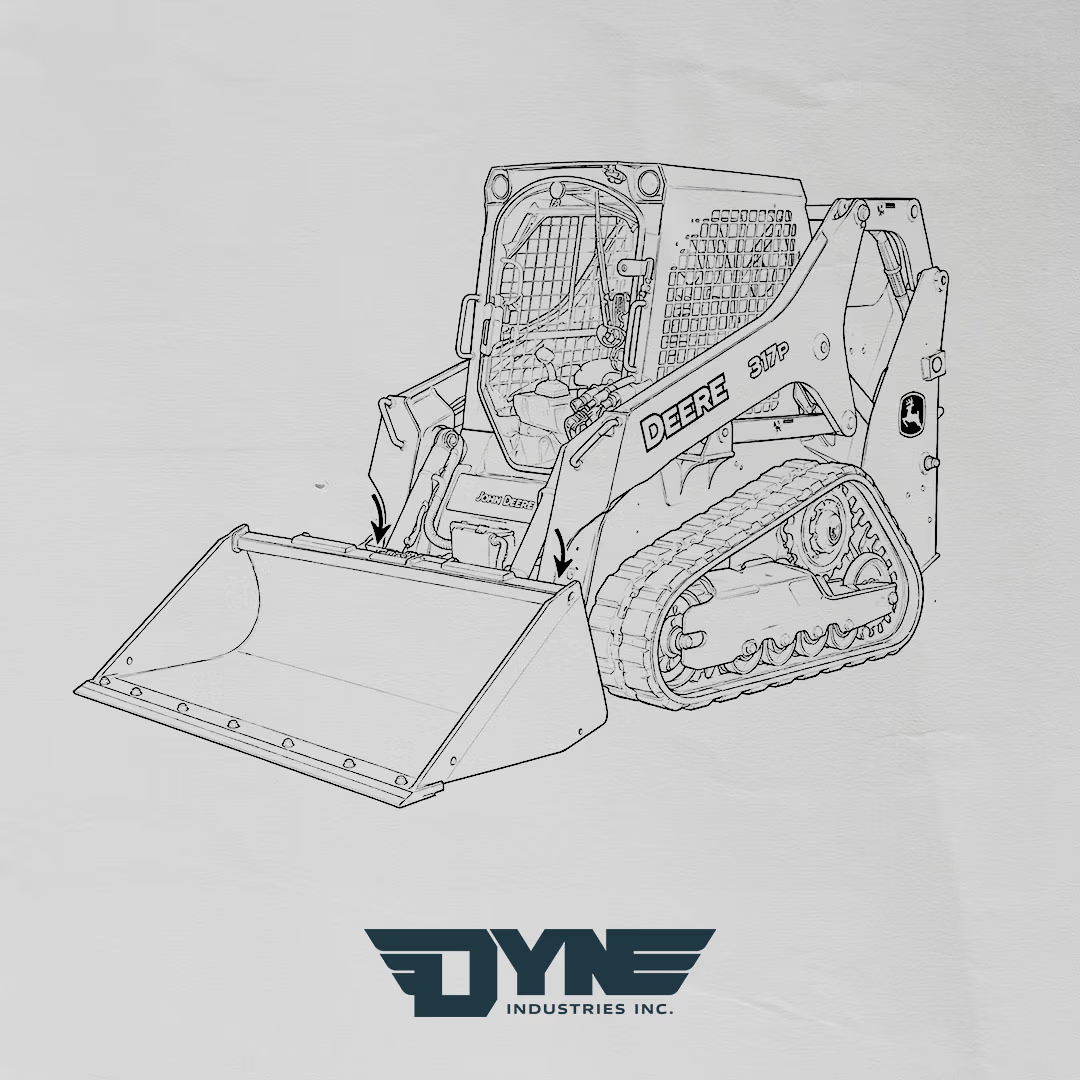
Learn what a John Deere skid steer on tracks means, including CTL replacement tracks, OTT kits, tread patterns, fitment, cost, and maintenance.
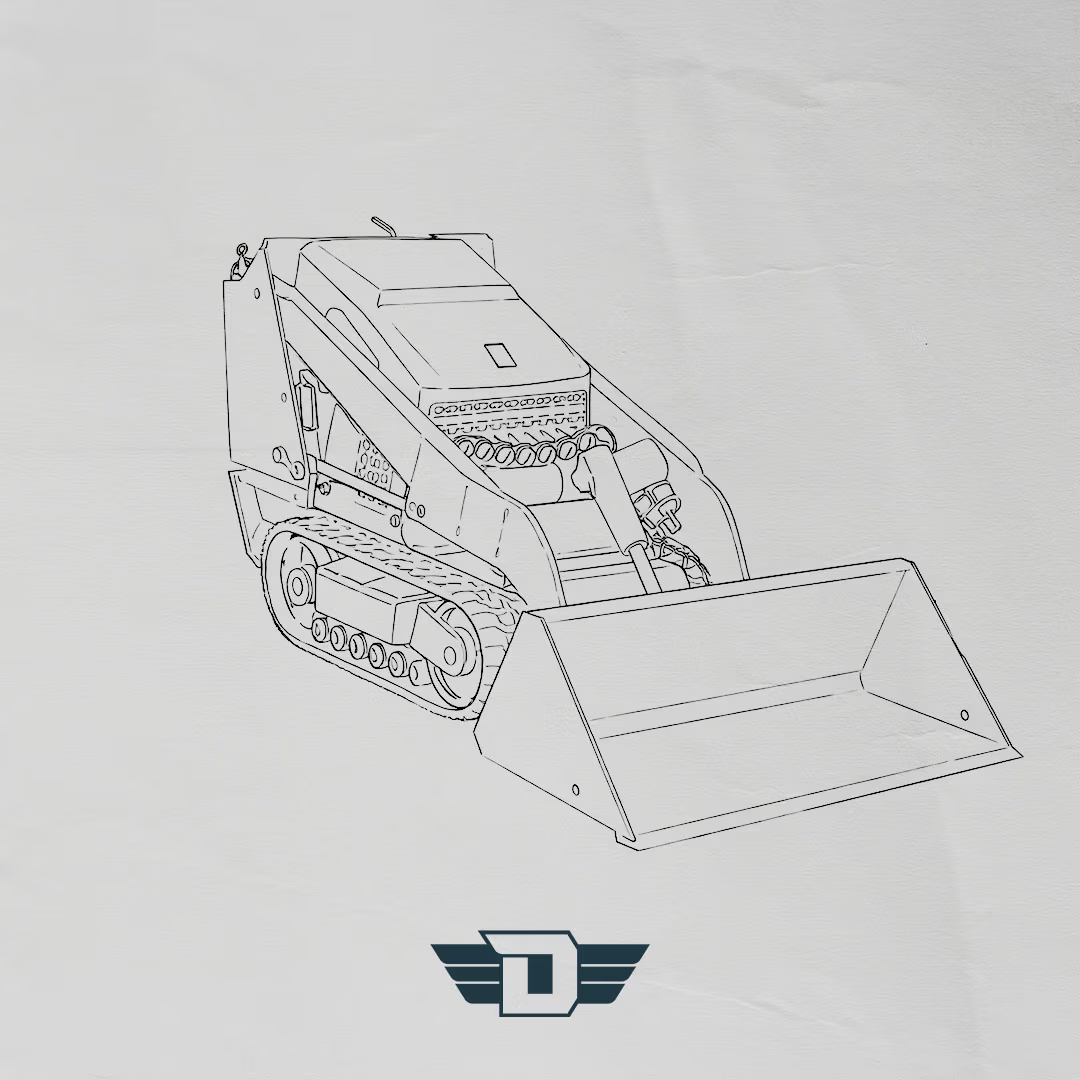
Not all Toro Dingo machines use the same rubber tracks. This guide breaks down models, track sizes, and fitment basics so you can choose the right replacement with confidence and avoid costly mistakes.
Replacement Rubber Tracks for Skid Steers buyer guide, sizing, treads, costs, lifespan, and ordering tips for Canadian jobs.
Stop downtime fast. This guide to rubber tracks for excavator covers sizing, tread, costs, install tips, and care, so you order right, with fewer mistakes. Now!