

Rubber Tracks for Excavator choices can feel simple until you are the one staring at a machine that keeps derailing, tearing lugs on pavement, or spinning in soft ground when the job is already behind. The truth is, the track you choose changes how your excavator travels, how much it bites, how much it marks up finished surfaces, and how long your undercarriage stays happy.
This guide breaks it down in a way that’s easy to act on. You will learn how sizing actually works (width, pitch, links), how to pick a tread pattern based on your ground and season, what separates a premium build from a bargain headache, what pricing really looks like, and the simple care habits that stretch track life.
Whether you run a mini on residential work, a mid-size unit on utilities, or you bounce between mud, rock, snow, and asphalt, the goal is the same, fit it right, choose the right tread, and keep downtime off your calendar.
Let’s start with a quick buyer summary so you can make a confident call fast, or get back on track right away by searching your machine and track size in our store.
Shop Rubber tracks
Get Back on Track, Fast
Search, Quote, Ship, Back to Work
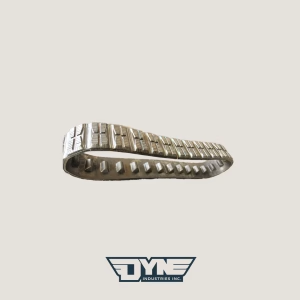

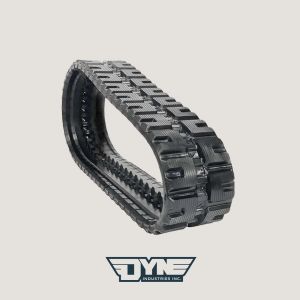
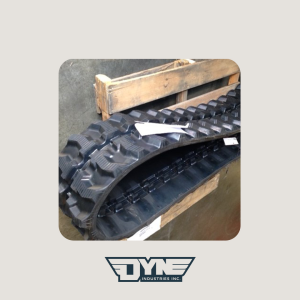
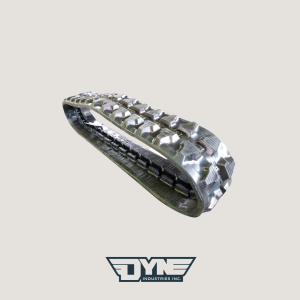
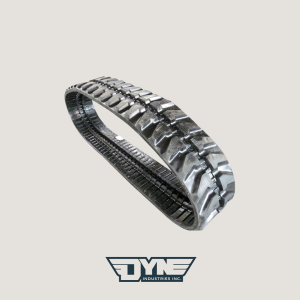
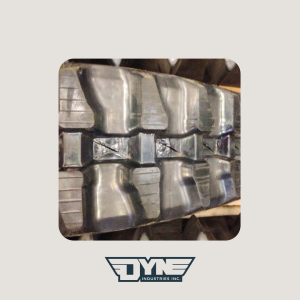
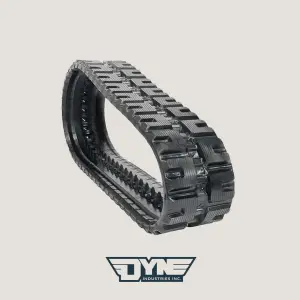
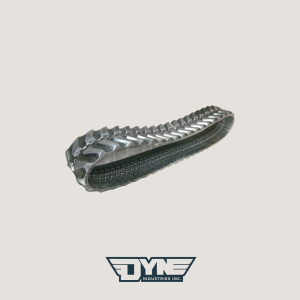
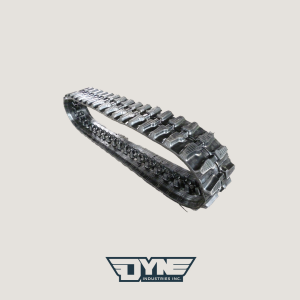
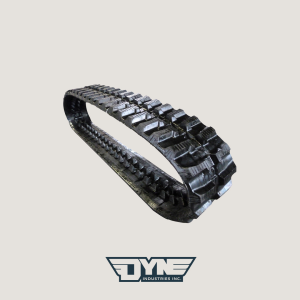
Rubber tracks for excavator, what they are and why they matter
Rubber tracks for excavator work affects traction, ground impact, and how smooth the machine feels on the move. If you work around finished surfaces or tight access, the right track choice saves time and prevents damage.
A rubber track is a heavy rubber belt that wraps around your undercarriage and drives the machine by engaging the sprocket.
Quick definition (what a rubber track does on an excavator)
A rubber track moves the excavator and spreads its weight, which helps with flotation and comfort.
When rubber tracks make sense (worksites, surfaces, noise, comfort)
Rubber tracks often make sense for residential, landscaping, municipal, and mixed-surface jobs where noise and surface damage matter.
Mini excavator vs larger excavator needs (why “one track fits all” thinking fails)
Mini excavators need tracks that handle pavement and tight turns, larger excavators need stronger builds and a healthier undercarriage because loads and hazards are bigger.
Quick takeaway (who should keep reading)
If you want rubber tracks for excavator jobs that fit right and stay on, keep reading.
Next, let’s compare rubber and steel so you pick the right base setup before you buy.
Rubber tracks vs steel tracks for an excavator (which should you choose)
Rubber tracks for excavator owners are common, but steel can still be the right tool in extreme ground. This section lays out the trade-offs so you can choose based on your work, not opinions.
Surface impact and finish work (concrete, asphalt, lawns)
Rubber is usually gentler on pavement and lawns, while steel is more likely to gouge and chip.
Traction realities (mud, clay, rock, snow)
Steel tends to bite better in sharp rock and harsh terrain, rubber can do well in mud and snow with the right tread, but slick clay can challenge both.
Noise and vibration (operator comfort, neighbourhood jobs)
Rubber is quieter and typically transmits less vibration, which matters on travel-heavy days.
Durability and damage risks (cuts, chunking, abrasion)
Steel handles sharp debris better, rubber can tear from rebar, broken concrete, and abrasive pivot turns.
Cost over time (cheap now vs cost per hour later)
The smart comparison is cost per hour plus downtime risk, not just purchase price.
Quick decision guide (choose rubber if…, choose steel if…)
Choose rubber for finish work, mixed surfaces, and noise limits. Choose steel for heavy demolition and sharp rock where surface damage is not a concern.
Quick takeaway (the practical trade-off)
Rubber tracks for excavator work protects surfaces and comfort, steel survives punishment.
Next is sizing, because fitment mistakes cause most derailments and early wear.
Excavator rubber track sizes explained (width, pitch, and links)
Rubber tracks for excavator fitment comes down to three numbers. If one is wrong, the track can derail, wear fast, or chew up undercarriage parts.
The standard sizing format (Width x Pitch x Links)
Tracks are usually listed as Width x Pitch x Links, for example 300 x 52.5 x 84.
Where to find your size (track stamp, manual, dealer, supplier lookup)
Look for the stamp on the inside of the old track, then confirm by manual, dealer, or a supplier who cross-checks by machine and size.
How to measure rubber tracks for an excavator (step-by-step)
Measure on level ground, safely parked, and use millimetres.
Measure track width (mm)
Measure sidewall to sidewall on a clean section.
Measure pitch (center-to-center)
Measure centre-to-centre between repeating link points, mark the points so you do not drift.
Count links (full loop)
Count the full loop, marking every 10 or 20 links to stay accurate.
Fitment details people miss (guide style, lug shape, sprocket match)
Guide lugs must match your frame and rollers, and drive lugs must mesh with the sprocket, not just “kind of” fit.
Common sizing mistakes (close-but-not-right problems)
Rounding pitch, miscounting links, and ignoring serial-range changes are the big ones.
Quick takeaway (fit first, always)
Correct size plus correct guide style comes first, then everything else.
Next, let’s pick tread based on your ground, not marketing names.
How to choose the right tread pattern for rubber tracks for excavator work
Rubber tracks for excavator traction changes a lot with tread pattern. Pick the pattern for the surfaces you travel on most, and the worst month you face.
Block and staggered block (mixed ground, hard surfaces)
Steady choice for mixed ground and hard surfaces, with good contact and a smooth feel.
C-pattern and H-pattern (all-around bite, common on minis)
More edges and voids for soft ground, common on minis because it balances bite and surface manners.
Multi-bar (stable, versatile, good everyday choice)
Predictable travel feel and good all-around use for general construction.
Chevron and V-style (soft ground drive, directional traction)
Directional tread that pulls well in soft soil, common for farm and utility work.
Zig-zag and Z-lug (snow, mud, side-hill grip, self-cleaning)
More edge length and clean-out, often chosen for snow, slop, and side-slope travel.
Choosing tread by job (landscaping, utilities, demo, farm, winter)
Landscaping and residential needs balanced tread, utilities needs clean-out in wet trenches, demo needs tougher build first, winter needs edges plus careful habits.
Quick takeaway (match tread to ground, not to brand hype)
Choose tread for your ground and travel habits, not what looks aggressive.
Next, let’s talk build quality, because two tracks can look similar and live very different lives.
Track construction and quality (what separates premium from cheap)
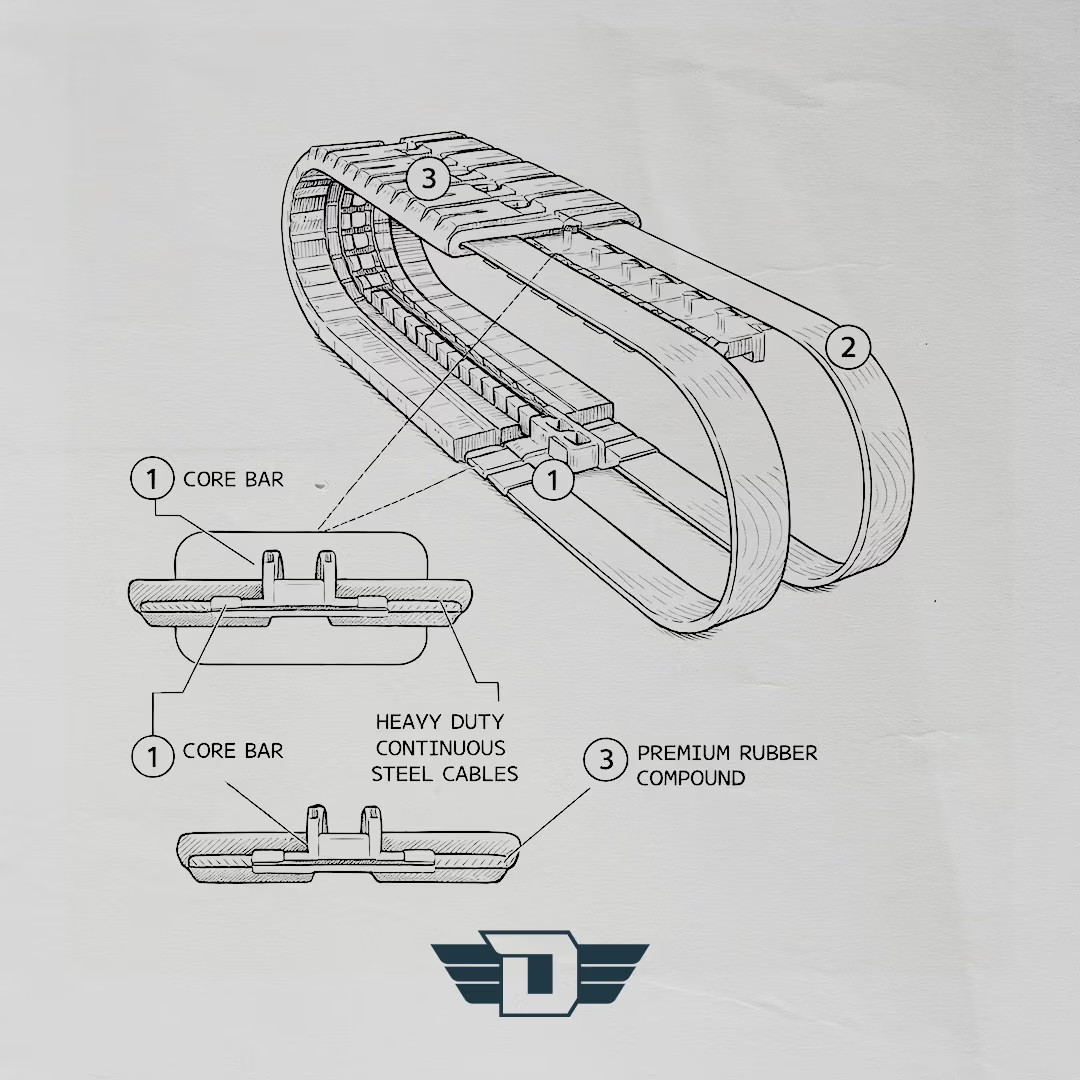
Rubber tracks for excavator life is mostly about compound, reinforcement, and lug design. These decide whether the track holds tension and resists tearing.
Rubber compound basics (wear, cracking, cold weather flexibility)
In Canada, cold flexibility matters, stiff rubber plus frozen ground and hard turning can crack sooner.
Reinforcement basics (steel cord, internal strength, stretch control)
Steel cord reinforcement helps control stretch and keeps the carcass stable under load.
Lug and carcass design (drive lugs, guide lugs, edge thickness)
Drive lugs must engage the sprocket cleanly, guide lugs must keep the track centred, and sidewall strength protects against rocks and curbs.
“Built to OEM spec” explained (what that should mean in real life)
It should mean correct dimensions and lug geometry, not “close enough.”
Heavy duty vs standard duty (how to pick for your jobs)
Heavy duty is for sharper debris and harsher wear, standard duty can be right for cleaner sites and lighter work.
Red flags in bargain tracks (what fails first, and why)
Vague sizing, weak support, unclear warranty, and tracks that chunk or cannot hold tension early.
Quick takeaway (buy build quality, not just tread shape)
Buy for the job and climate, then judge what is inside the track.
Next, make sure your machine is ready, because a worn undercarriage can kill new tracks fast.
Compatibility checklist before you buy rubber tracks for excavator models
Rubber tracks for excavator purchases go best when the whole undercarriage system is healthy. Use this checklist before you order.
Confirm machine details (make, model, serial, undercarriage type)
Confirm make, model, and serial range, undercarriage designs can change across years.
Check undercarriage condition first (sprockets, rollers, idlers)
Look for hooked sprocket teeth, seized rollers, leaks, and uneven wear.
Match the whole system (track size plus guide and lug design)
Confirm size, guide style, and sprocket engagement, because one mismatch can cause derailments.
Ordering smart (how to confirm fitment with a supplier)
Provide machine details, track size, and photos, and ask the supplier to confirm guide style before shipping.
Quick takeaway (a worn undercarriage can kill a new track)
Fix obvious undercarriage issues before you install new tracks.
Next, let’s talk cost, and what really drives the price.
What do rubber tracks for an excavator cost (and what drives the price)
Rubber tracks for excavator pricing depends on size, duty rating, and where you buy. Use the examples below as ballpark only, then price your exact size.
Typical price ranges by machine class (mini vs mid-size vs large)
Small mini excavator tracks are often listed from the hundreds into the low thousands per track, depending on size and build (example, CA$1,105 for a 300×52.5×76 listing).
Mid-size mini excavator tracks can land in the low to mid thousands (examples include CA$2,595 and CA$3,426.99 listings for 450×81 class tracks).
Larger rubber track sizes can reach several thousand per track or more, depending on application and build (examples include US$3,621 for 600 x 100 x 76 and CA$7,727.95 for 700 x 100 x 98).
What changes the price fast (size, tread, duty rating, warranty)
Bigger, heavier duty, and more material usually costs more, and support and warranty terms matter too.
Cost-per-hour thinking (how to compare tracks like a pro)
If a cheaper track fails early and costs you a day, it was not cheaper.
Shipping and downtime math (why delivery speed matters)
Ask if it is in stock and when it ships, because downtime often costs more than freight.
When OEM tracks make sense (and when aftermarket is the better play)
OEM can make sense for exact factory match, aftermarket can be great value when fitment and build are confirmed.
Quick takeaway (cheapest track is rarely the cheapest outcome)
Price is a filter, the real goal is downtime control and cost per hour.
Next is install, because tension and break-in set the tone for track life.
Installation basics (avoid the mistakes that wreck new tracks)
Rubber tracks for excavator installation fails early when tension is wrong or the undercarriage is dirty and worn. These basics help you avoid the common mistakes.
Replace one track or both (what most pros do and why)
Many pros replace both if wear is similar, it keeps travel feel and tension behaviour consistent.
Pre-install checks (clean-out, roller inspection, sprocket wear)
Clean out debris, check rollers and idlers, and inspect sprocket teeth before you mount the new track.
Tension setup (why too tight is just as bad as too loose)
Follow your manual, too tight adds heat and stress, too loose derails.
[External link: Manufacturer operator manual (track tension section) -> URL placeholder]
Break-in habits (first few hours that set the tone)
Go easy, avoid hard pivot turns, then re-check tension after the first shift.
Turning technique on hard ground (how to reduce tearing)
Make wider turns and avoid spinning in place on pavement and rock.
Quick takeaway (install is where track life begins)
Good tension and gentle break-in protects rubber tracks for excavator life right away.
Next, keep it alive with simple maintenance.
Maintenance that extends excavator rubber track life
Rubber tracks for excavator maintenance is mostly inspections, clean-out, and tension checks. Small habits add hours and prevent surprise failures.
Daily and weekly checks (cuts, chunks, cords, uneven wear)
Look for cuts, chunking, missing lugs, cords showing, and uneven wear.
Cleaning habits that matter (mud pack, rocks, frozen debris)
Clear mud and rocks around rollers and idlers, frozen debris can wedge tracks off-centre.
Track tension routine (how often to check and adjust)
Check after installs, after heavy turning days, and after deep mud work, using your manual method.
[External link: Manufacturer operator manual (undercarriage maintenance) -> URL placeholder]
Storage and UV care (long-term parking tips)
Keep tracks clean and out of harsh sun when possible, UV and dirt can age rubber faster.
Winter realities in Canada (ice, freeze-thaw, traction expectations)
Plan for slower travel, more clean-out, and gentler turning, ice still wins.
Quick takeaway (small habits, big hour gains)
Clean-out plus correct tension prevents most avoidable rubber tracks for excavator failures.
Next, let’s troubleshoot the common issues.
Troubleshooting common problems (and how to fix them)
Rubber tracks for excavator problems usually show warning signs first. These quick checks help you find the cause before damage spreads.
Tracks derailing or walking off (causes and quick checks)
Check tension, packed debris, rollers, idlers, and alignment, then look at guide lugs.
Uneven wear (alignment, tension, undercarriage wear points)
Uneven wear usually points to misalignment, wrong tension, or worn rollers and idlers.
Chunking and tearing (jobsite hazards and turning habits)
Sharp debris and hard pivot turns cause chunking, slow down and change travel habits.
Cracking and dry rot (storage, compound, age)
Age, UV, cold stress, and chemicals can crack rubber, clean storage and less sun helps.
Vibration and rough ride (rollers, packed debris, tension)
Clean out first, then check rollers and tension, vibration often starts with debris or a failing roller.
When to stop running it (damage that escalates fast)
Stop when cords show, sidewalls tear deep, or derailments repeat under normal travel.
Quick takeaway (most failures give warnings first)
Catch issues early and fix the cause, that is how rubber tracks for excavator life stays predictable.
Next, let’s cover when to replace.
When to replace rubber tracks for an excavator (signs you cannot ignore)
Rubber tracks for excavator replacement is cheaper when you plan it. Use these signs to replace before the track quits on the worst day.
Visual signs (lug loss, deep cuts, exposed cords, sidewall damage)
Replace when lugs are worn down, cuts are deep, cords show, or sidewalls are tearing.
Performance signs (slip, frequent derailment, loss of traction)
More slip, poor slope control, and repeat derailments mean traction and stability are gone or the system is worn.
Stretch signs (tension cannot be held, adjustment maxed out)
If you cannot hold tension and adjusters are near limit, inspect and plan replacement.
Planning downtime (replace before the busy season hits)
Order before peak season, so you are not waiting with a down machine.
Quick takeaway (replace on your schedule, not the track’s)
Replace on warning signs, not after failure.
Next, choose a supplier that helps you confirm fitment and ship fast.
Buying from a supplier (questions to ask before you click “buy”)
Rubber tracks for excavator shopping is safer with fitment support, clear warranty terms, and fast shipping. These questions protect you from returns and delays.
Fitment support (do they help you confirm, or do they guess)
Ask how they confirm fitment, machine details plus size, and whether they check guide style.
Warranty details (defect vs wear, claim process, proof needed)
Ask what counts as a defect, what proof is needed, and how claims are handled.
Returns and exchanges (how painless is it, really)
Confirm exchange rules and who pays shipping if something is wrong.
Shipping speed and warehouse coverage (Canada and cross-border)
Confirm stock status, ship date, and delivery expectations to your location.
Quick takeaway (support is part of the product)
Support reduces risk, and risk is the real cost.
Next, here is how Dyne fits into the buying picture.
Featured supplier (Dyne Industries Inc.) for rubber tracks for excavator buyers
Rubber tracks for excavator buyers want correct fitment and a smooth ordering process. Dyne Industries Inc. lets you shop by machine or by size, and you can use support to confirm details when you are not fully sure.
What Dyne stocks and supports (wide model coverage, fast shipping)
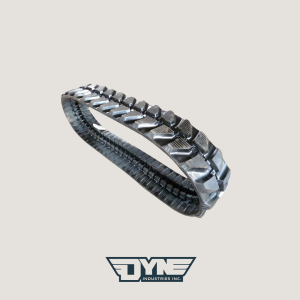
Dyne carries rubber tracks for excavator models across many common sizes and applications.
Build and spec approach (aftermarket made to meet or exceed OEM expectations)
Dyne’s tracks are aftermarket replacements meant to match fit and function, confirm size, guide style, and duty level for your work.
How to shop Dyne excavator tracks (by machine or by size)
Search by machine first, then verify the listed size matches your stamp or measurements.
Fitment help and peace of mind (support, exchanges, warranty)
Ask about guide style and return rules before you order, so you are not guessing under pressure.
Quick takeaway (reduce downtime by buying correct the first time)
Confirm fitment and buy with support, that is how rubber tracks for excavator orders go smoother.
Next, let’s close with a simple buying order.
Conclusion (how to choose the right rubber tracks for your excavator)
Rubber tracks for excavator decisions are easiest when you follow a clear order. This keeps you from buying on price alone and paying for it later.
The simple buying order (fitment, tread, build, warranty, shipping)
Fitment first, then tread, then build, then warranty and support, then stock and shipping.
One next step (measure your track, then confirm with a supplier)
Measure Width x Pitch x Links, then confirm with a supplier who cross-checks your machine details. That is the fastest next step toward rubber tracks for excavator work you can trust.
Next is a quick FAQ for the common questions.
Shop Rubber tracks
Get Back on Track, Fast
Search, Quote, Ship, Back to Work
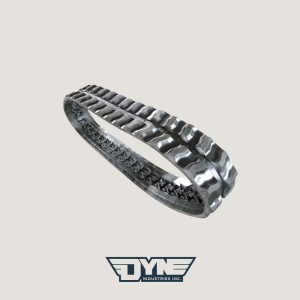
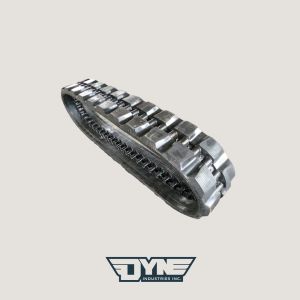

FAQs about rubber tracks for excavator
Rubber tracks for excavator questions usually come up right before you buy or right after install. These quick answers help you check sizing, tension, tread, and common failure causes.
Find the stamp, or measure Width x Pitch x Links and confirm with make, model, and serial range.
It depends on surfaces and habits, clean ground and wide turns last longer, rock and demo shorten life fast.
Often yes for finish work and mixed surfaces, steel can be better for sharp rock and heavy demolition
C, H, or zig-zag styles can help with clean-out and edges, but you still need clean-out habits.
Z styles help in snow and slush, but ice needs slower travel and careful turning.
Yes, avoid spinning in place and make wider turns to reduce tearing.
Wrong tension, packed debris, worn rollers, misalignment, or wrong guide style are the usual causes.
They can if fitment and lug geometry match and build quality is solid, confirm before you buy.
C is a common all-around tread for mixed ground, zig-zag adds edges and clean-out for snow and wet mud, pick for your ground and season.