

Rubber Tracks for Excavator choices can feel simple until you are the one staring at a machine that keeps derailing, tearing lugs on pavement, or spinning in soft ground when the job is already behind. The truth is, the track you choose changes how your excavator travels, how much it bites, how much it marks up finished surfaces, and how long your undercarriage stays happy.
This guide breaks it down in a way that’s easy to act on. You will learn how sizing actually works (width, pitch, links), how to pick a tread pattern based on your ground and season, what separates a premium build from a bargain headache, what pricing really looks like, and the simple care habits that stretch track life.
Whether you run a mini on residential work, a mid-size unit on utilities, or you bounce between mud, rock, snow, and asphalt, the goal is the same, fit it right, choose the right tread, and keep downtime off your calendar.
Let’s start with a quick buyer summary so you can make a confident call fast, or get back on track right away by searching your machine and track size in our store.
Shop Rubber tracks
Get Back on Track, Fast
Search, Quote, Ship, Back to Work

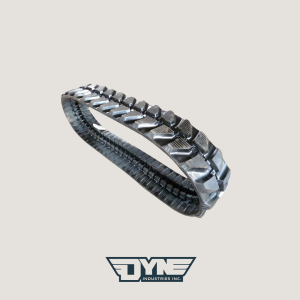
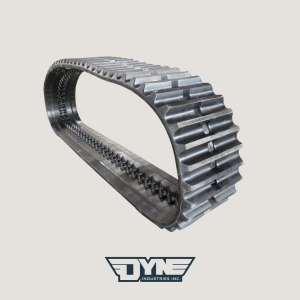
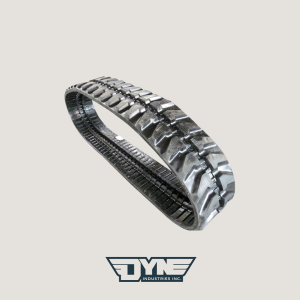
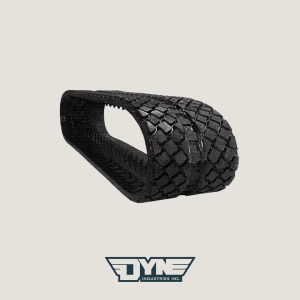
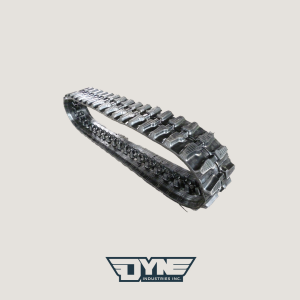
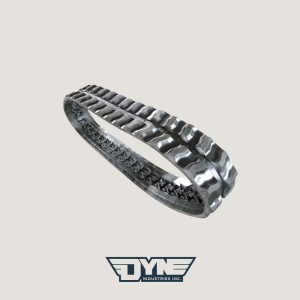
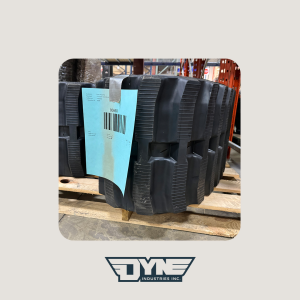
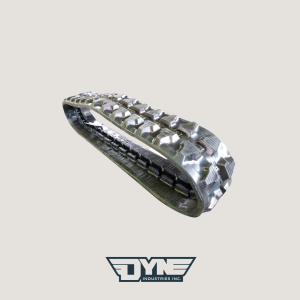
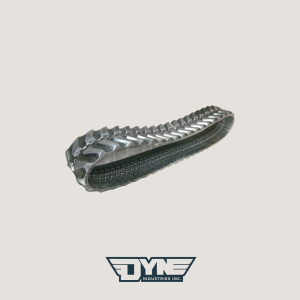
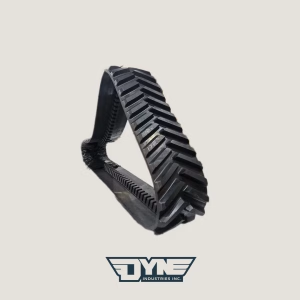
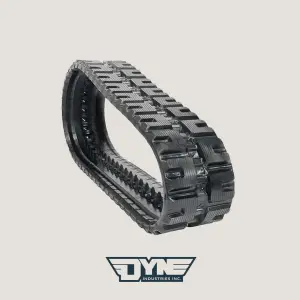
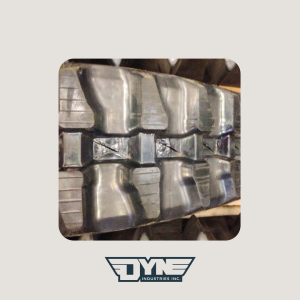
Replacement Rubber Tracks for Skid Steers, quick buyer summary
Need the fast answer? Here are the basics that prevent wrong orders and wasted downtime.
What rubber tracks do better than tires (traction, flotation, stability, comfort)
Replacement Rubber Tracks for Skid Steers usually do best on soft ground and uneven terrain, because tracks spread the load out and lower ground pressure.
That often means better grip in mud and snow, more control on slopes, and a smoother ride.
When tires can still be the better choice (speed, hard surfaces, cost)
If you run lots of pavement or hardpack, tires can be the better tool. Tracks can wear faster on hard surfaces due to abrasion and heat, this is common jobsite reality.
The 5 checks that prevent ordering the wrong track
Before you order Replacement Rubber Tracks for Skid Steers, confirm size (width, pitch, links), guide lug style, and undercarriage condition.
Quick decision checklist (printable style)
- Soft ground or winter work, tracks usually win
- Hard surfaces and speed, tires may win
- Fitment first, tread second, build quality third
- Worn undercarriage parts can destroy new tracks
- Ask for fitment verification before shipping
Wrap-up: Replacement Rubber Tracks for Skid Steers work best when fitment is right. Next, we will define what tracks are and what “replacement” means.
What are rubber tracks on a skid steer (and what “replacement” really means)
This section explains the basics.
Rubber track basics (continuous tread, more ground contact)
A rubber track is a continuous loop that wraps around the undercarriage, with inside lugs that drive the sprocket and outside tread that grips the ground.
Why tracks change performance on soft ground and slopes
Tracks spread weight out, which helps you float more and sink less in mud, snow, and loose fill.
Skid steer vs compact track loader vs over-the-tire track kits (common confusion)
Skid steer usually starts on wheels, CTLs are built around tracks, and over-the-tire kits wrap around tires. Replacement Rubber Tracks for Skid Steers means replacing the rubber track loop on a track system.
What you replace when you replace tracks (and what you should inspect at the same time)
Replace the track loop, and inspect sprockets, rollers, idlers, alignment, and the tensioning system at the same time.
Wrap-up: A healthy undercarriage helps Replacement Rubber Tracks for Skid Steers last longer. Next, compare tires vs tracks based on your work.
Tires vs tracks on a skid steer, which one fits your work
This section helps you choose based on conditions, not opinions.
Traction and push power in mud, snow, clay, loose fill
Tracks often grip better in wet clay, snow, and loose fill because they keep more tread in contact as the ground shifts.
Flotation and ground pressure (why you sink less)
Lower ground pressure is a key advantage of Replacement Rubber Tracks for Skid Steers, especially on soft ground.
Ride comfort and operator fatigue over rough ground
Tracks can smooth out bounce over ruts and rock, which can reduce fatigue and help fine control.
Turf and finished surface impact (when tracks help, when they still mark)
Tracks can reduce disturbance, but tight turns can still scuff turf. This is common field experience, especially when pivoting.
Hard surface tradeoffs (heat, abrasion, faster wear on pavement)
Hard surfaces are tough on tracks, and pivot turns scrub rubber off faster. Operators see this most on asphalt and concrete.
Wrap-up: Tracks shine in soft ground, tires shine on hard surfaces. Next, learn the signs you need replacement.
Signs you need replacement rubber tracks for a skid steer
These signs help you plan Replacement Rubber Tracks for Skid Steers before the failure day.
Visible damage (cuts, chunking, cracks, missing lugs, cord showing)
Deep cuts, chunking lugs, cracking, missing drive lugs, and cords showing are strong signs it is time.
Performance signs (slipping, vibration, uneven travel, lost traction)
More slipping, repeating vibration, pulling, and uneven travel can signal track wear, undercarriage wear, or both.
De-tracking warning signs (and why it happens)
Loose tension, packed debris, worn rollers or idlers, misalignment, or guide mismatch can cause de-tracking. Loose tracks are known to come off more easily.
Undercarriage clues (sprockets, rollers, idlers that are chewing tracks)
Hooked sprockets, seized rollers, and misalignment can chew new tracks fast, inspect before you install Replacement Rubber Tracks for Skid Steers.
Wrap-up: If you see these signs, move to the buying process now. Next is the step-by-step checklist.
How to choose replacement rubber tracks for skid steers (step-by-step)
Use this process to order Replacement Rubber Tracks for Skid Steers once, not twice.
Step 1, confirm your machine and undercarriage setup
Confirm make, model, and serial range, plus any undercarriage changes.
Step 2, confirm the exact track size (width, pitch, links)
Read the sidewall stamp if you can.
Step 3, confirm the guide and lug style (fitment detail most people miss)
Guide lugs must match your rails and rollers, so use clear inside photos to confirm.
Step 4, choose the right tread pattern for your terrain
Choose tread for your most common ground, mud, snow, turf, rock, or debris.
Step 5, compare track construction and rubber quality
Look for clear compound and reinforcement details, plus sidewall strength.
Step 6, choose warranty, support, and shipping that match your downtime risk
Dyne notes in-stock tracks usually ship within 24 hours, with delivery times listed for local and across-Canada shipping ranges.
Wrap-up: This process protects your time and budget. Next, let’s make sizing easy to verify.
Skid steer rubber track size explained (width, pitch, links)
Sizing is the most common wrong-order problem, so slow down here.
How to find the size on your old track (where it’s stamped, what it looks like)
Most tracks have a moulded size like 320x86x52 on the sidewall.
How to measure track size if the stamp is unreadable
Measure width, measure pitch, and count links.
Measure width (mm)
Measure across the tread in millimetres.
Measure pitch (centre-to-centre)
Pitch is measured centre-to-centre between drive lugs.
Count links (lug count)
Count the total number of drive lugs around the track.
Common sizing mistakes that cause fast wear or de-tracking
Wrong pitch, wrong link count, and ignoring guide style can cause rubbing, bad tension, and de-tracking on Replacement Rubber Tracks for Skid Steers.
Width choices, narrow vs wide tracks (clearance, flotation, stability)
Wider can float more, but only if you have clearance. Too wide can rub and heat up.
Mini skid steer note (MT sized tracks are different than full skid steer tracks)
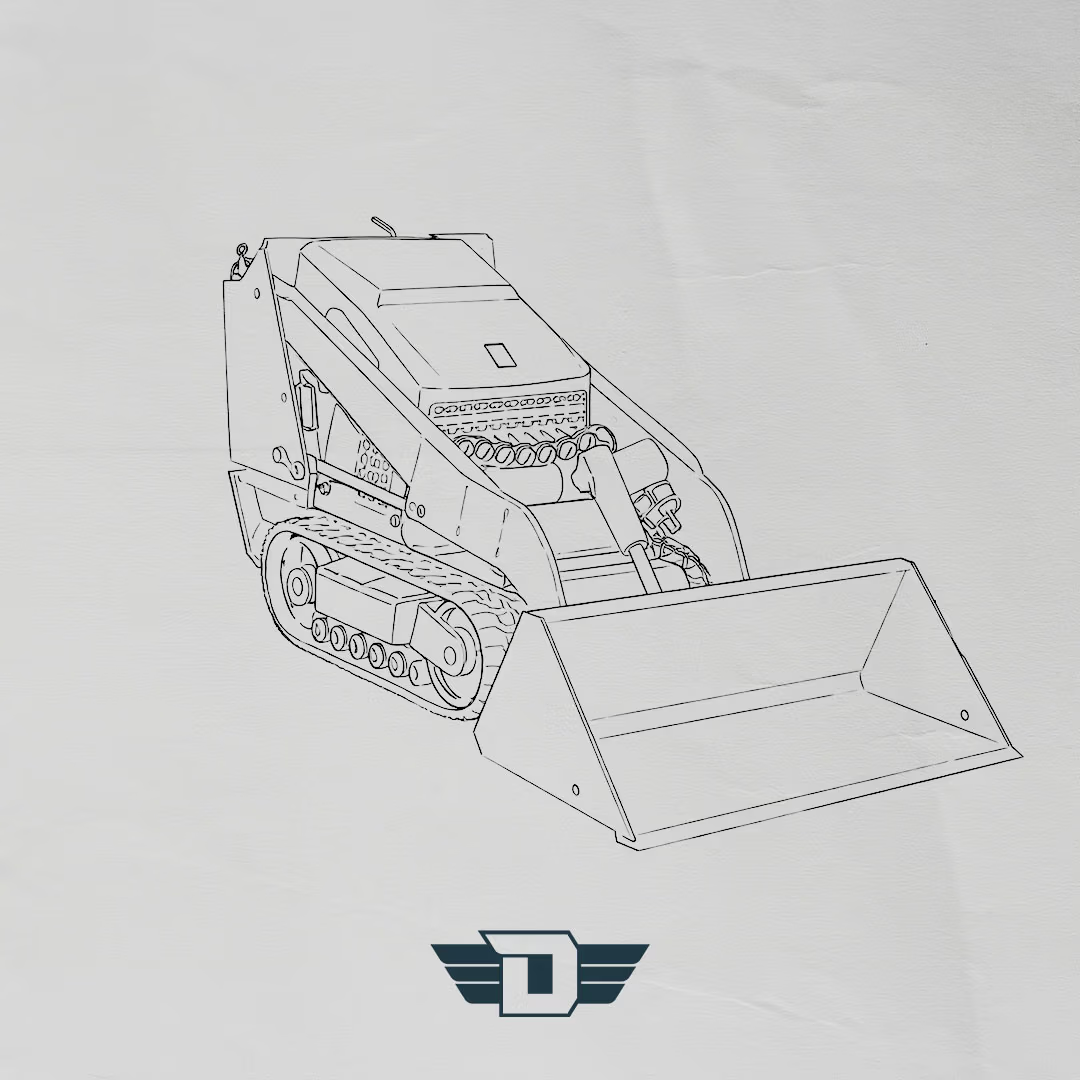
Mini skid steers often use different sizes and guide styles, confirm carefully.
Wrap-up: Get size right first. Next, confirm the inside fitment details, guide lugs and drive lugs.
Guide lugs and drive lugs, the fitment detail that can make or break your order
This section is about inside-track fitment for Replacement Rubber Tracks for Skid Steers.
What guide lugs do inside the track (keeping it centered)
Guide lugs ride between rails and help keep the track centred under load.
Common guide styles and why “close enough” is not close enough
Guide lugs vary by shape and spacing, and a near match can rub, heat up, and de-track under load.
Pitch and sprocket match, why the wrong match destroys tracks fast
Pitch must match the sprocket, or drive lugs can skip and tear.
Quick fitment checklist to confirm before you buy
Confirm width, pitch, links, guide style, and undercarriage wear before you order.
Wrap-up: Fitment is what keeps tracks on the machine. Next, match tread to your jobsite.
Best tread patterns for replacement rubber tracks for skid steers (choose by jobsite)
This section helps you match tread to ground and get better performance from Replacement Rubber Tracks for Skid Steers.
Staggered block, a strong general-purpose option
A strong all-around choice for mixed dirt, gravel, and general construction.
C-lug (C-pattern), balanced grip and smoother ride on mixed ground
Balanced traction and smoother ride for mixed ground, landscaping, and agriculture.
Zig-zag (chevron), self-cleaning bite for mud, snow, grading work
Common for mud and snow because it tends to clean out better and bite well.
Multi-bar and straight-bar, strong traction on loose ground (comfort and wear tradeoffs)
Good traction on loose ground, but can wear faster on sharp rock and hard surfaces.
Turf-friendly treads (and when they still slip)
Less scuffing, but can slip in mud and ice, and tight turns can still mark turf.
Heavy-duty and deep-lug options for demolition, rock, sharp debris
Built for durability and cut resistance in harsh debris and rock.
Other common patterns you may see (H-pattern, hex) and what they’re good for
Specialty patterns for specific feel and clean-out, choose them only if they fit your common work.
Quick tread selection chart (terrain, best match, avoid if)
- Mud and wet clay: chevron or aggressive general-purpose, avoid smooth turf patterns
- Snow and mixed winter: chevron or bar-style patterns, avoid shallow worn lugs
- Landscaping and mixed ground: C-lug or general-purpose, avoid deep-lug demo patterns
- Demo debris and sharp rock: heavy-duty, avoid light-duty turf patterns
- Turf and finished lawns: turf-friendly, avoid aggressive patterns if scuffing is a deal breaker
Wrap-up: Tread affects grip and feel, construction affects lifespan. Next, let’s talk build quality.
Track construction and rubber quality (what lasts, what fails early)
Use this section to compare build quality for Replacement Rubber Tracks for Skid Steers.
Rubber compound basics (virgin vs blended, why it matters)
Compound impacts wear and cracking resistance, and Dyne states their tracks are made from 100% virgin rubber.
Steel cord reinforcement and belt layers (stretch control and strength)
Reinforcement helps control stretch and strength under load, and Dyne describes continuous steel cables inside quality skid steer tracks.
Sidewall protection and cut resistance (where most failures start)
Sidewalls take the hits from rock, concrete edges, and wire, so cut resistance matters.
What “premium” specs usually mean, and what to look for on product pages
Look for clear compound, reinforcement, application tier, and warranty terms.
Warranty as a quality signal (and what warranties usually do not cover)
Warranty often covers defects, not wear or debris damage, so read the exclusions.
Wrap-up: Good build helps, but support matters too. Next, OEM vs aftermarket.
OEM vs aftermarket replacement rubber tracks for skid steers
This section helps you compare options for Replacement Rubber Tracks for Skid Steers without bias.
OEM advantages (fit confidence, support, pricing reality)
OEM can offer fit confidence and dealer support, usually at a higher cost.
Aftermarket advantages (availability, tread variety, value)
Aftermarket can offer more tread options, better availability, and strong value when quality is good.
How to compare aftermarket tracks the right way (materials, build, reviews, support)
Compare fitment accuracy, construction details, shipping, returns, and support.
When OEM is worth it, and when aftermarket is the smarter buy
Choose OEM for dealer-backed support, choose aftermarket for options, availability, and value.
Wrap-up: Both can work, fitment is the key. Next, cost and value.
What do replacement skid steer tracks cost (and how to judge value)
This section helps you judge value for Replacement Rubber Tracks for Skid Steers, not just price.
What drives price (size, tread, reinforcement, brand, warranty)
Size, tread, reinforcement, and warranty drive price, plus shipping and location.
Cost-per-hour thinking (how fleets compare track value)
Cost-per-hour includes downtime, because a cheap track that fails early costs more in the end.
Replace one track or both (traction balance, wear balance, risk)
Replacing both usually keeps wear and traction balanced.
Hidden costs, undercarriage wear, downtime, rushed shipping
Worn undercarriage parts and emergency freight can cost more than the track.
Wrap-up: Value is about uptime. Next, lifespan.
How long do replacement rubber tracks for skid steers last
This section sets expectations for Replacement Rubber Tracks for Skid Steers.
Typical lifespan range (why the range is wide)
Dyne notes that with proper care, most customers get 1,200 to 1,600 hours, but it varies by conditions.
What shortens track life fast (spinning, pavement, sharp turns, debris)
Spinning, pivot turns on hard surfaces, sharp debris, and wrong tension shorten life fast.
What extends track life (tension, clean-out, smoother travel habits)
Correct tension, clean-out, and smoother turns reduce scrub and heat.
A simple way to track wear (hours, tread depth, damage checks)
Log hours, do weekly checks, and plan replacements before failure day.
Wrap-up: Lifespan is conditions plus habits. Next, maintenance.
Maintenance tips that keep skid steer rubber tracks alive longer
These habits add life to Replacement Rubber Tracks for Skid Steers and reduce de-tracking issues.
Daily and weekly clean-out routine (mud, rocks, ice, wire)
Clean out packed debris, and watch for wire in demolition work.
Track tension basics (too loose vs too tight, what it causes)
Too loose can de-track, too tight can bind and wear parts faster.
Operating habits that save tracks (turning, travel direction, speed)
Avoid pivot turns on hard ground, and slow down before turning.
Worksite habits that prevent cuts (demo debris, rebar, sharp rock)
Avoid repeated travel over sharp rubble and broken concrete edges.
Storage tips (UV, long sits, winter handling)
Store out of direct sun when possible, and avoid freezing into deep ruts in winter.
Quick maintenance checklist (copy/paste friendly)
Clean out debris, check tension, inspect sidewalls, avoid pivot turns, and fix worn rollers and sprockets.
Wrap-up: Maintenance is cheaper than downtime. Next, install basics.
Installation basics for skid steer rubber tracks (safe overview)
This is a safe overview to help you plan the install of Replacement Rubber Tracks for Skid Steers.
Tools and prep (what you need on site)
Use safe lifting and blocking, PPE, and the correct tools, and clean the undercarriage first.
High-level install steps (remove, route, seat, tension)
Release tension, remove old track, route the new track, seat it, and tension to spec.
First-hour break-in checks (recheck tension, look for rubbing)
Recheck tension and look for rubbing after the first hour.
When to bring in a pro (stuck adjusters, worn undercarriage, repeated de-tracking)
Call a pro for seized adjusters, heavy wear, or repeated de-tracking.
Wrap-up: A clean install protects the track and machine. Next, common problems.
Common skid steer track problems (and what to check first)
Use this section to troubleshoot Replacement Rubber Tracks for Skid Steers quickly.
Track keeps coming off (alignment, tension, guide mismatch, worn rollers)
Check tension, debris, rollers and idlers, guide match, and alignment.
Uneven wear left to right (driving habits, undercarriage wear, mismatched tracks)
Check turning habits, side-slope work, worn parts on one side, and mismatched track ages.
Chunking and cracking (heat, pavement, sharp turns, aging rubber)
Heat and scrub on hard ground plus pivot turns are common causes, and rubber ages over time.
Losing traction (wrong tread, packed lugs, winter ice reality)
Clean packed lugs, then re-check tread match, and remember ice is difficult for rubber tracks.
Excess vibration (tread type, tension, roller issues)
Check tension and undercarriage wear first, then consider tread type on hard surfaces.
Wrap-up: Start with tension, debris, and wear checks. Next, online ordering.
Buying replacement rubber tracks for skid steers online (how to avoid bad surprises)
This section helps you order Replacement Rubber Tracks for Skid Steers online without guesswork.
The info to have ready (make, model, serial range, size, photos)
Have make, model, serial range, size, and inside-track photos ready.
Questions to ask before you order (guide type, warranty, returns, ship time)
Ask for guide confirmation, warranty exclusions, return policy, and realistic shipping timing.
Shipping and delivery tips (jobsite delivery, forklift needs, timing)
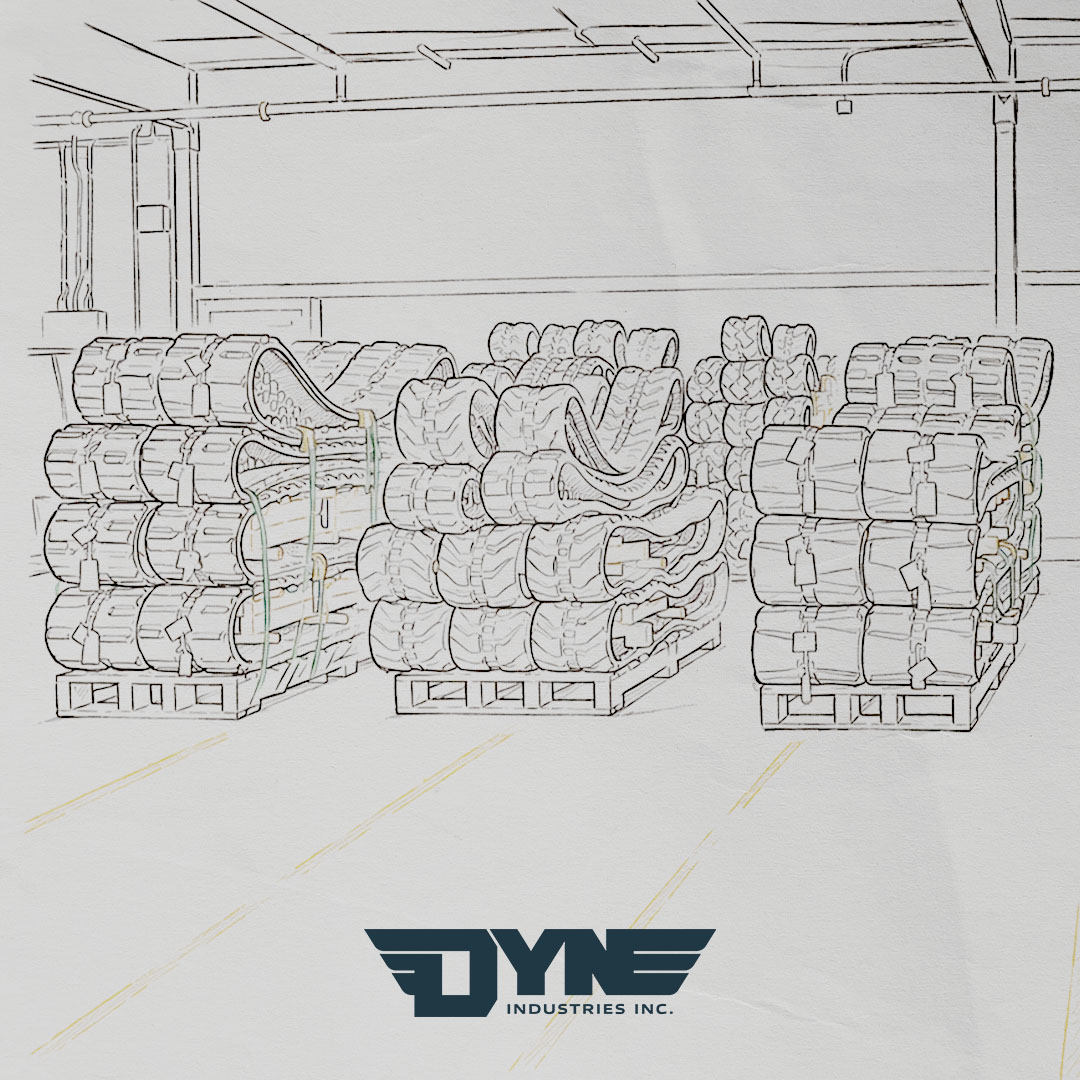
Confirm unloading plan, tracks are heavy and often need equipment to unload.
Fleet and contractor ordering tips (spares, standardizing tread choices)
Track sizes in a shared sheet, standardize treads, and order before peak season.
Wrap-up: Good info prevents bad surprises. Next, Dyne’s process.
Dyne Industries replacement rubber tracks for skid steers
This section explains how Dyne supports Canadian buyers of Replacement Rubber Tracks for Skid Steers.
What Dyne tracks are built for (jobsite durability, even wear, traction)
Dyne states their tracks are made from 100% virgin rubber and designed for a precise fit across over 2,400 machine models.
Tread options to match your terrain (general, winter, turf, heavy-duty)
Dyne’s guidance helps match tread to your ground and job type, so you do not overbuy or underbuy.
Fitment help so you order once (make/model support and double-check process)
Their quote and contact process collects machine and track details to help confirm fitment.
Shipping expectations (fast turnaround for downtime situations)
Dyne notes in-stock tracks usually ship within 24 hours, and lists delivery ranges across Canada.
Warranty and support (what to confirm before purchase)
Confirm your warranty and exclusions, and review their care and lifespan guidance.
Conclusion, buy the right skid steer rubber tracks once
This section is the quick recap for buying Replacement Rubber Tracks for Skid Steers.
Quick recap (size, guide, tread, construction, support)
Confirm size, confirm guide style, match tread to terrain, choose the right build, and verify fitment and shipping.
Shop Rubber tracks
Get Back on Track, Fast
Search, Quote, Ship, Back to Work

FAQs about replacement rubber tracks for skid steers
These are the last checks before you order Replacement Rubber Tracks for Skid Steers.
Check the sidewall stamp first, then measure width, pitch centre-to-centre, and count links if needed.
Width is track width, pitch is lug spacing measured centre-to-centre, and links is the total lug count.
Not always, CTLs can use different sizes and undercarriage setups. Confirm by make, model, and size.
Usually yes, it keeps traction and wear balanced and reduces pulling.
It depends on inventory and location. Our in-stock tracks usually ship within 24 hours, with delivery ranges depending on where you are in Canada.