


- Home
- Buying Guides & Comparisons
- Best Rubber Tracks in Canada: How to Choose the Right Replacement Tracks
Best Rubber Tracks in Canada: How to Choose the Right Replacement Tracks

Finding the best rubber tracks in Canada is not just about picking a size from a product page.
It is about keeping your machine working when the job is under pressure.
A worn or wrong rubber track can stop a skid steer, compact track loader, mini excavator, carrier, or farm machine at the worst time. That might mean a crew waiting on site, a rental unit sitting idle, or a contractor losing good weather during a short season.
This guide will help you understand what makes a quality replacement rubber track, how to think about fitment, how tread patterns affect performance, and what to check before you order.
If you work in construction, landscaping, farming, land development, rental equipment, municipal work, oilfield support, or rental equipment, this guide will help you make a better track decision before downtime costs you more.
TL;DR
- The best rubber tracks in Canada depend on fitment, terrain, machine type, and jobsite conditions.
- Confirm your track size before ordering to avoid delays, returns, and downtime.
- Choose tread patterns based on mud, snow, gravel, pavement, turf, or mixed surfaces.
- Inspect sprockets, rollers, idlers, and tension before installing new replacement tracks.
- Shop Dyne Industries, a premier rubber track supplier in Canada, for fitment support and replacement tracks.
What Makes the Best Rubber Tracks in Canada Different
The best rubber tracks in Canada need to handle more than clean dirt and easy hours. They may run through wet clay, gravel, frozen ground, snow, mud, pavement, and rough jobsites, sometimes in the same week.
That is why Canadian buyers should look beyond price alone. A good track should match the machine, the terrain, the workload, and the season.
A high-quality rubber track usually comes down to four main things:
- Correct fitment
- Strong internal construction
- A rubber compound suited to the work
- The right tread pattern for the terrain
The right supplier matters too. You want a team that can help confirm the track size before you order, especially if your machine has mixed parts, older undercarriage wear, or a model with several track options.
In Canada, downtime can be expensive fast. If a machine is stuck in the yard waiting for the right track, the lowest-price option may not be the lowest-cost option.
The key is simple: the best track is not the same for every machine. The best choice is the one that fits correctly, works in your conditions, and helps keep your equipment moving.
Now let’s look at the first thing to confirm before comparing tread patterns or prices.
Start With Fitment Before You Compare Rubber Tracks
Before comparing tread patterns or prices, start with fitment. A strong track that does not fit your machine correctly can still cause downtime, undercarriage wear, or a return.
Fitment is the first thing to get right because rubber tracks are built around exact measurements.
Most rubber tracks are listed using three numbers:
Width x Pitch x Links
Here is what that means:
- Width is how wide the track is.
- Pitch is the distance between each drive lug or link.
- Links are the number of lugs or links around the track.
For example, a track size might look like this:
450 x 86 x 56
That means the track is 450 mm wide, has an 86 mm pitch, and has 56 links.
Before you order, check:
- Your machine make
- Your machine model
- Serial number, if available
- Current track size
- Undercarriage condition
- Sprocket condition
- Tread pattern needs
- Whether the machine is a CTL, MTL, mini excavator, carrier, or ag machine
This matters because one machine model can sometimes have more than one track option. A machine may also have been repaired, modified, or fitted with aftermarket undercarriage parts in the past.
If you are not sure, take photos of the current track, machine plate, and undercarriage. Then ask for help before ordering.
A fitment check can save time, freight cost, and frustration. Before you look at tread style or price, make sure the track actually belongs on the machine.
Once fitment is clear, the next step is matching the track to the type of equipment you run.
Match the Track to the Machine Type
Different machines use tracks in different ways. A compact track loader does not treat a track the same way as a mini excavator or a multi-terrain loader.
That is why choosing replacement rubber tracks should start with the equipment class.
Compact Track Loader Tracks
Compact track loaders, also called CTLs, often work hard on mixed surfaces. They may load gravel, grade lots, push snow, clear brush, work around concrete, or run on clay and mud.
For CTLs, you should look closely at:
- Tread pattern
- Sidewall strength
- Internal steel cord construction
- Resistance to cuts and chunking
- Ride quality
- Traction on the surfaces you use most
A contractor running on rock and gravel may need a more durable tread. A landscaper working around turf may need a smoother pattern that reduces surface damage.
Skid Steer Tracks
The term skid steer tracks is often used when people mean compact track loader tracks. Traditional skid steers use tires, but many people use “skid steer tracks” when shopping for rubber tracks for tracked skid steer-style machines.
When buying, confirm whether your machine is a wheeled skid steer, compact track loader, or a machine using over-the-tire tracks.
This small detail can prevent a wrong order.
Mini Excavator Tracks
Mini excavator tracks often deal with turning, trenching, side loading, soft ground, and transport between jobs. They may also work close to concrete, finished yards, driveways, and tight sites.
For mini excavators, watch for:
- Smooth travel
- Correct width
- Proper pitch
- Low ground disturbance
- Good undercarriage condition
- Track tension after installation
The right track can help the machine feel stable and predictable, especially when working on uneven ground.
Multi-Terrain Loader Tracks
Multi-terrain loaders, including some ASV, Terex, and CAT MTL applications, can have more specialized undercarriage needs.
These machines often rely on flexibility, flotation, and undercarriage design. That means the wrong track style may create problems.
For MTL applications, confirm fitment carefully before ordering. In many cases, specialized tracks, including Kevlar-reinforced options, may be considered depending on the machine and application.
Agricultural Rubber Tracks
Farm tracks face their own demands. They may need traction, flotation, and soil protection while carrying heavy loads across fields.
For agricultural equipment, confirm whether the track is being used in ag-only work or mixed-use conditions, since warranty and wear expectations can depend on application.
Each equipment type has different needs. Once you know your machine class, you can make a better decision about tread pattern, construction, and fitment support.
Next, let’s look at how tread pattern changes performance on the jobsite.
Choose the Right Tread Pattern for Canadian Conditions
Tread pattern is one of the biggest choices when buying replacement rubber tracks. It affects traction, ride, wear, cleanout, and how the machine treats the surface below it.
The best tread pattern depends on where the machine spends most of its time.
For Mud, Clay, and Wet Ground
If you work in wet clay, mud, spring thaw, or soft ground, traction and self-cleaning matter.
A tread with more open space can help shed material. A more aggressive pattern can help the track bite into soft ground.
This can be useful for:
- Site prep
- Wet excavation
- Farmyard work
- Land clearing
- Oilfield access
- Spring and fall jobsites
The trade-off is that aggressive patterns may ride rougher or wear faster on hard surfaces.
For Gravel, Rock, and Demolition
Rocky or abrasive ground can be hard on rubber tracks. Sharp material can cut, chunk, and tear rubber, especially if the operator turns hard under load.
For these jobs, durability matters more than a soft ride.
Look for tracks designed for tougher ground conditions, and inspect the undercarriage often. Worn rollers, sprockets, or idlers can shorten track life.
For Snow, Ice, and Frozen Ground
Canadian winter work can be hard on equipment. Tracks may run through snow, packed ice, frozen soil, and cold gravel.
For winter use, traction and rubber flexibility matter. A track that is too stiff or poorly matched to the work may not perform well in cold conditions.
Municipal snow work, yard clearing, and winter construction all need a track that can handle changing surfaces.
For Pavement and Hard Surfaces
Pavement can wear tracks quickly, especially when operators make sharp turns or counter-rotate often.
If your machine spends a lot of time on asphalt, concrete, or packed gravel, choose a tread pattern that balances wear life and smooth travel.
Operator habits also matter. Wide turns, proper tension, and clean undercarriages can help extend track life.
For Turf and Finished Ground
Landscapers and property crews often need traction without tearing up grass or finished surfaces.
A less aggressive pattern may be a better choice for turf, parks, yards, and surface-sensitive work.
The right tread pattern is not about what looks toughest. It is about what works best for your terrain, machine, and daily use.
Once you know the tread style you need, the next thing to check is the track’s construction.
Check Rubber Track Construction Before You Buy
Rubber track quality is more than the tread you can see. What is inside the track matters just as much.
Strong internal construction can help the track hold tension, resist damage, and carry the load through tough work.
Rubber Compound
The rubber compound affects wear, cracking, flexibility, and resistance to cuts.
A quality rubber compound should be suited to the type of work the machine does. For Canadian use, cold weather flexibility can also matter, especially in winter work.
Ask whether the track uses virgin rubber, recycled rubber, or a blended compound.
Continuous Steel Cord
Many high-quality rubber tracks use continuous steel cord reinforcement. This means the steel cables run through the track without multiple weak splice points.
This can help with strength and tension stability.
For heavy CTL use, this is an important feature to understand before buying.
Metal Cores and Drive Lugs
The metal core and drive lug area help the track engage with the sprocket and undercarriage.
If the internal structure is weak, the track may be more likely to suffer drive lug damage, poor engagement, or premature failure.
Always inspect your sprockets too. A new track on worn sprockets can wear faster than expected.
Kevlar-Reinforced Options
Some specialized track applications use Kevlar or non-metal core designs. These can be useful for certain MTL-style machines and applications where flexibility and shock absorption matter.
Do not assume this is right for every machine. Confirm the machine type, undercarriage, and intended use before ordering.
Good construction helps a rubber track survive real work. Still, even the best-built track needs the right fit, proper tension, and good operating habits.
Before you replace your tracks, it also helps to know the warning signs of track wear.
Know the Signs Your Rubber Tracks Need Replacement
Replacing tracks too late can create bigger problems. A worn track may still move the machine, but it can increase the risk of failure, de-tracking, or undercarriage damage.
Here are common signs that it may be time to replace your rubber tracks.
Cracking
Small surface cracks can happen over time, especially as tracks age. Deep cracks that expose internal cords or spread across the track are more serious.
Cracking can get worse in cold weather or rough operating conditions.
Chunking
Chunking happens when pieces of rubber tear away from the tread. This is common on rocky ground, demolition sites, and sharp gravel.
Minor chunking may not stop the machine right away, but heavy chunking can reduce traction and track life.
Exposed Cords
If steel cords are visible, the track is in poor condition. Exposed cords can rust, weaken, and lead to failure.
Do not ignore exposed internal structure.
Missing or Damaged Lugs
Drive lugs help the track move with the sprocket. If lugs are missing, cracked, or badly worn, the track may not run properly.
This can increase the risk of slipping, jumping, or coming off the undercarriage.
Uneven Wear
Uneven wear can point to alignment issues, improper tension, worn rollers, or sprocket problems.
If one side of the track wears faster than the other, inspect the undercarriage before installing a new track.
Frequent De-Tracking
If a track keeps coming off, do not assume the track is the only problem.
Check:
- Tension
- Rollers
- Idlers
- Sprockets
- Track frame
- Operator habits
- Correct track size
Replacing worn tracks before failure can help prevent a machine-down situation. It also gives you time to confirm fitment instead of rushing an emergency order.
After replacement, regular maintenance can help you get more value from your tracks.
Maintain Rubber Tracks to Reduce Downtime
A good rubber track still needs proper care. Maintenance can help extend track life, protect the undercarriage, and reduce unexpected downtime.
This is especially important for fleets, rental companies, and contractors running machines every day.
Keep Tracks Clean
Mud, clay, rocks, ice, and debris can pack into the undercarriage.
That buildup can increase wear and place extra stress on components. In winter, frozen debris can become a bigger problem.
Clean the undercarriage regularly, especially after muddy or frozen jobs.
Check Track Tension
Track tension affects wear, ride, and de-tracking risk.
If the track is too tight, it can put extra strain on rollers, idlers, bearings, and internal cords.
If the track is too loose, it may slip, wear unevenly, or come off the machine.
Always follow the machine manual for correct tension.
Inspect the Undercarriage
A new rubber track will not fix a worn-out undercarriage.
Before installing replacement tracks, inspect:
- Sprockets
- Rollers
- Idlers
- Bearings
- Track frame
- Grease tensioner
- Alignment
Worn sprockets can damage new tracks quickly.
Train Operators
Operator habits have a major impact on track life.
Hard counter-rotation, sharp turns on pavement, side-slope stress, spinning tracks, and running over sharp debris can all increase wear.
A few better habits can make a real difference.
Track maintenance does not need to be complicated. Clean often, inspect regularly, set proper tension, and treat the track like a wear part that protects your whole machine.
Good maintenance helps, but choosing the right supplier is also part of reducing downtime.
How to Compare Rubber Track Suppliers in Canada
Choosing the right supplier is part of choosing the right track. The track itself matters, but so does the buying experience.
A good supplier should help you avoid a wrong order and get back to work faster.
Canadian Inventory and Delivery
Canadian inventory can matter when a machine is down.
If tracks are already stocked in Canada, you may avoid longer cross-border delays, surprise import issues, or extended downtime.
For busy contractors and rental fleets, this can be a major factor.
Fitment Support
Look for a supplier that can help confirm your machine model, track size, and application.
Fitment support is especially important if:
- You do not know your track size
- Your machine has multiple track options
- The serial number matters
- The old track is too damaged to read
- You are buying for a mixed fleet
- You need tracks for an older or less common machine
Clear Warranty Information
A good supplier should clearly explain warranty terms.
Ask what the warranty covers, how long it lasts, what counts as normal wear, and what information is needed for a claim.
Do not assume all warranties are the same.
Product Range
If you manage several machines, it helps to work with a supplier that covers multiple equipment types.
That may include:
- Compact track loader tracks
- Mini excavator tracks
- Skid steer-style track loader tracks
- Multi-terrain loader tracks
- Carrier and dumper tracks
- Agricultural tracks
This can make ordering easier for fleets and shops.
Practical Support
Sometimes you need more than a checkout page. You need someone to help confirm the right track before it ships.
That support can matter when a crew is waiting, the weather is turning, or a rental machine needs to go back out.
A supplier should make the buying process easier, not harder. The right support can be the difference between a smooth replacement and another delay.
That is where working with a fitment-focused rubber track supplier can make a real difference.
Why Dyne Industries Is a Strong Choice for Replacement Rubber Tracks in Canada
Dyne Industries is built for buyers who need practical support, proper fitment, and quality replacement rubber tracks for tough work.
Dyne supplies rubber tracks for a wide range of compact equipment and supports customers across Canada.
Dyne is a strong fit for:
- Contractors
- Owner-operators
- Fleet managers
- Rental companies
- Shop foremen
- Mechanics
- Farmers
- Landscapers
- Construction businesses
Dyne’s value is not just that it sells rubber tracks. It is that the team can help customers find the right fit for the machine and the job.
That matters when the track size is unclear, the machine is down, or the jobsite cannot wait.
Dyne also supports a broad range of equipment types, including compact track loaders, mini excavators, skid steer-style track loaders, multi-terrain loaders, carriers, dumpers, and agricultural machines.
For buyers working in Canadian conditions, that range matters. One fleet may include a Bobcat CTL, a Kubota mini excavator, an ASV-style loader, and a tracked carrier. A supplier with wide coverage can make the buying process simpler.
Dyne’s positioning is strongest when it focuses on:
- Fitment-first support
- Canadian availability
- Durable construction
- Clear buying advice
- Practical help before the order
- Reduced downtime through better track selection
If you want the cheapest unknown track online, that may not be the right way to think about the purchase. If you want a reliable supplier that can help you confirm the right replacement rubber tracks before you order, Dyne is built for that kind of buyer.
The better question is not just “Who has rubber tracks?” The better question is “Who can help me get the right rubber tracks for this machine, this job, and this season?”
Before you place an order, use a simple checklist to make sure the track, machine, and jobsite conditions all line up.
What to Check Before You Order Replacement Rubber Tracks
Before you order, take a few minutes to confirm the basics. This can save a lot of time later.
Use this checklist before buying.
1. Confirm the Machine Details
Write down:
- Make
- Model
- Serial number
- Year, if known
- Equipment type
Take a photo of the machine plate if possible.
2. Confirm the Track Size
Look for the size printed on the old track. If it is worn off, measure the width, pitch, and link count.
If you are unsure, ask for support.
3. Check the Undercarriage
Inspect sprockets, rollers, idlers, and tensioners.
A worn undercarriage can damage new tracks.
4. Describe the Main Terrain
Think about where the machine works most:
- Mud
- Clay
- Gravel
- Rock
- Snow
- Ice
- Pavement
- Turf
- Farm fields
- Mixed surfaces
This helps match the tread pattern to the work.
5. Think About the Season
A track used mainly in winter may need different performance than one used in dry summer grading.
Canadian freeze-thaw conditions can change how a track performs.
6. Ask About Warranty and Returns
Before ordering, ask what happens if there is a fitment issue, shipping damage, or possible warranty concern.
Get clear answers before the track ships.
A few checks before ordering can prevent the most common mistakes. If you are not sure, use Dyne’s fitment checklist or contact the team before buying.
Get the Right Rubber Tracks Before Downtime Costs You More
The best rubber tracks in Canada are not always the cheapest tracks, the most aggressive-looking tracks, or the first tracks that appear online.
The best choice is the track that fits your machine, suits your jobsite, and helps reduce downtime.
Before you order, confirm your track size, check your undercarriage, think about your terrain, and choose a supplier that can help you make the right decision.
For Canadian contractors, fleet managers, farmers, landscapers, and rental companies, that support matters. A machine sitting still can cost more than the track itself.
Need help finding the right replacement rubber tracks? Contact Dyne Industries or request a quote, and our team can help you confirm the right fit before you order.
Find My Tracks
Search your machine make, model, or track size and find rubber tracks built to keep your equipment moving.
FAQ About the Best Rubber Tracks in Canada
These are common questions buyers ask when comparing rubber tracks, checking fitment, or trying to reduce downtime. The right answer often depends on your machine, terrain, and work conditions.
The best rubber tracks in Canada are the tracks that fit your machine correctly, match your terrain, and are backed by practical support. For many buyers, that means choosing quality replacement rubber tracks from a Canadian supplier like Dyne Industries that can help confirm fitment before ordering. There is no single best track for every machine.
Check the size printed on your current track. It is usually listed as width x pitch x links. If the size is worn off, measure it carefully or ask for help using your machine make, model, serial number, and photos.
A more traction-focused tread pattern is often a good starting point for mud, snow, wet clay, and soft ground. However, the right choice depends on your machine and how much time you also spend on pavement, gravel, or hard surfaces.
Some experienced operators and mechanics replace tracks themselves, but it depends on the machine, tools, and jobsite setup. Always follow the machine manual, use proper safety procedures, and get help if you are not comfortable with track tensioning or lifting equipment.
Keep the undercarriage clean, maintain proper track tension, inspect sprockets and rollers, and avoid sharp turns on hard surfaces when possible. Operator habits and terrain can have a big impact on track wear.


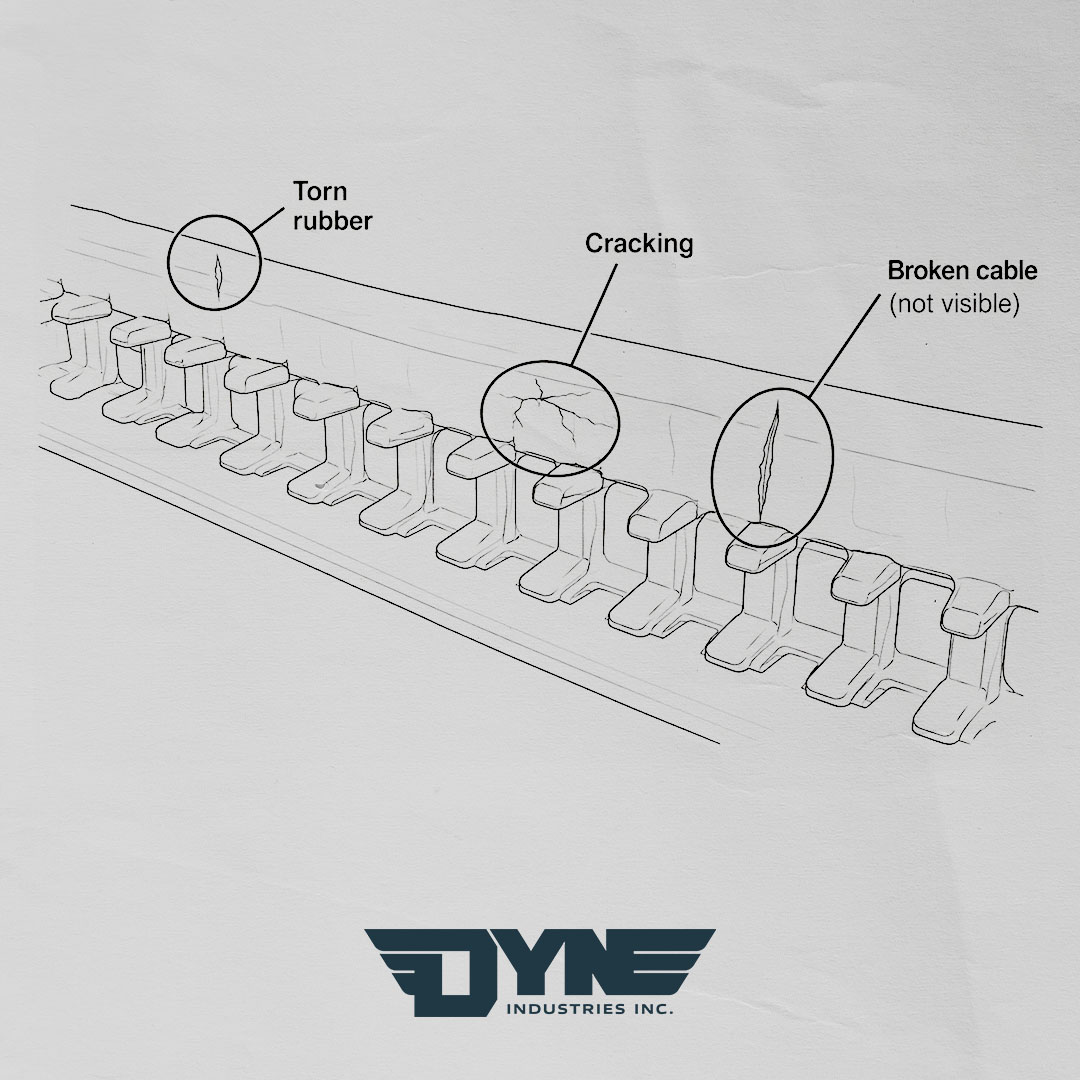
Not sure if your skid steer tracks are worn out? Learn the key signs of track wear, what to measure, and when replacement makes more sense than waiting.
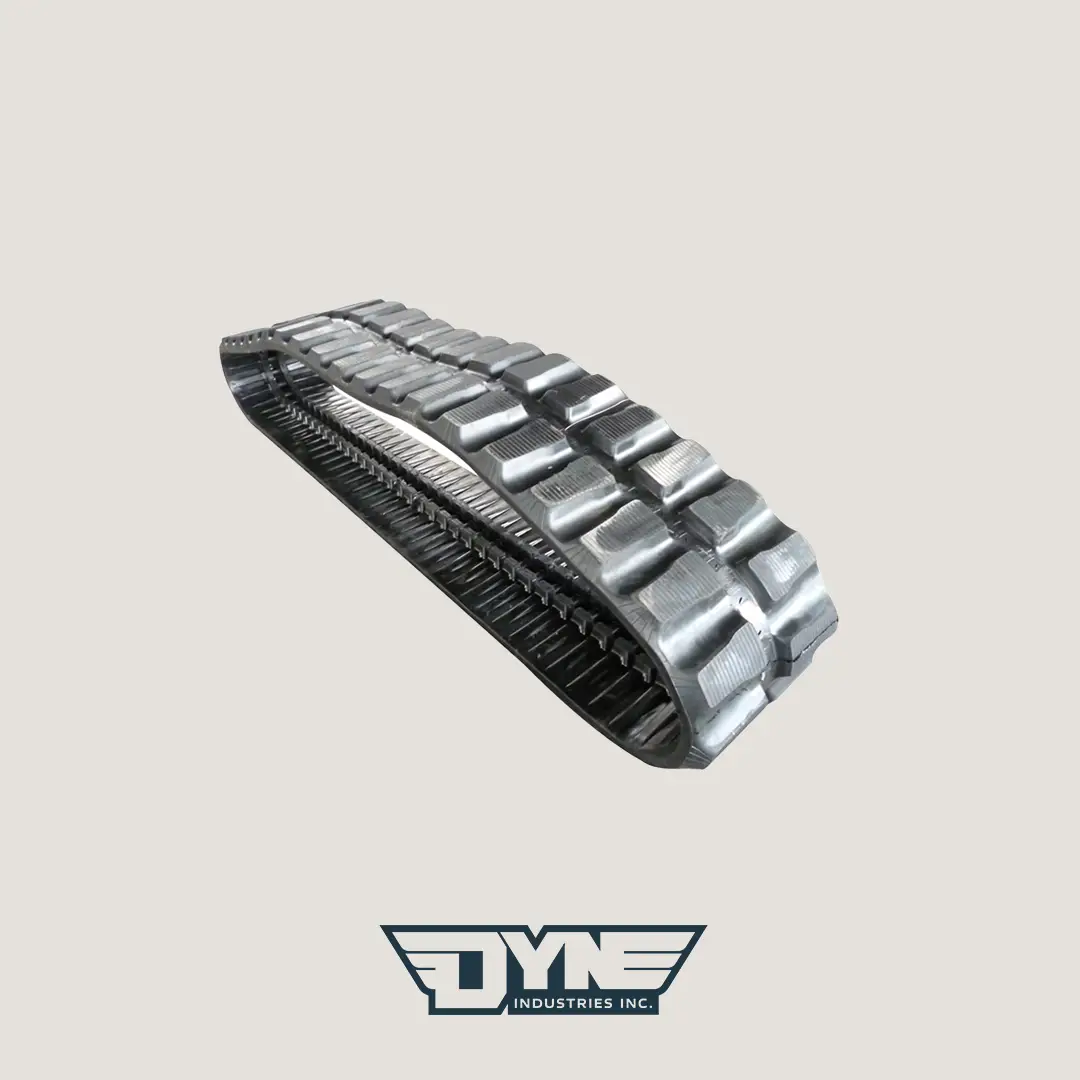
Choosing the right rubber tracks for multi-terrain loaders starts with proper fitment, tread selection, and jobsite needs. Learn how to compare track sizes, match common Cat, ASV, Terex, Bobcat, and Takeuchi machines, and shop Dyne Industries for reliable Multi-Terrain Loader rubber tracks.
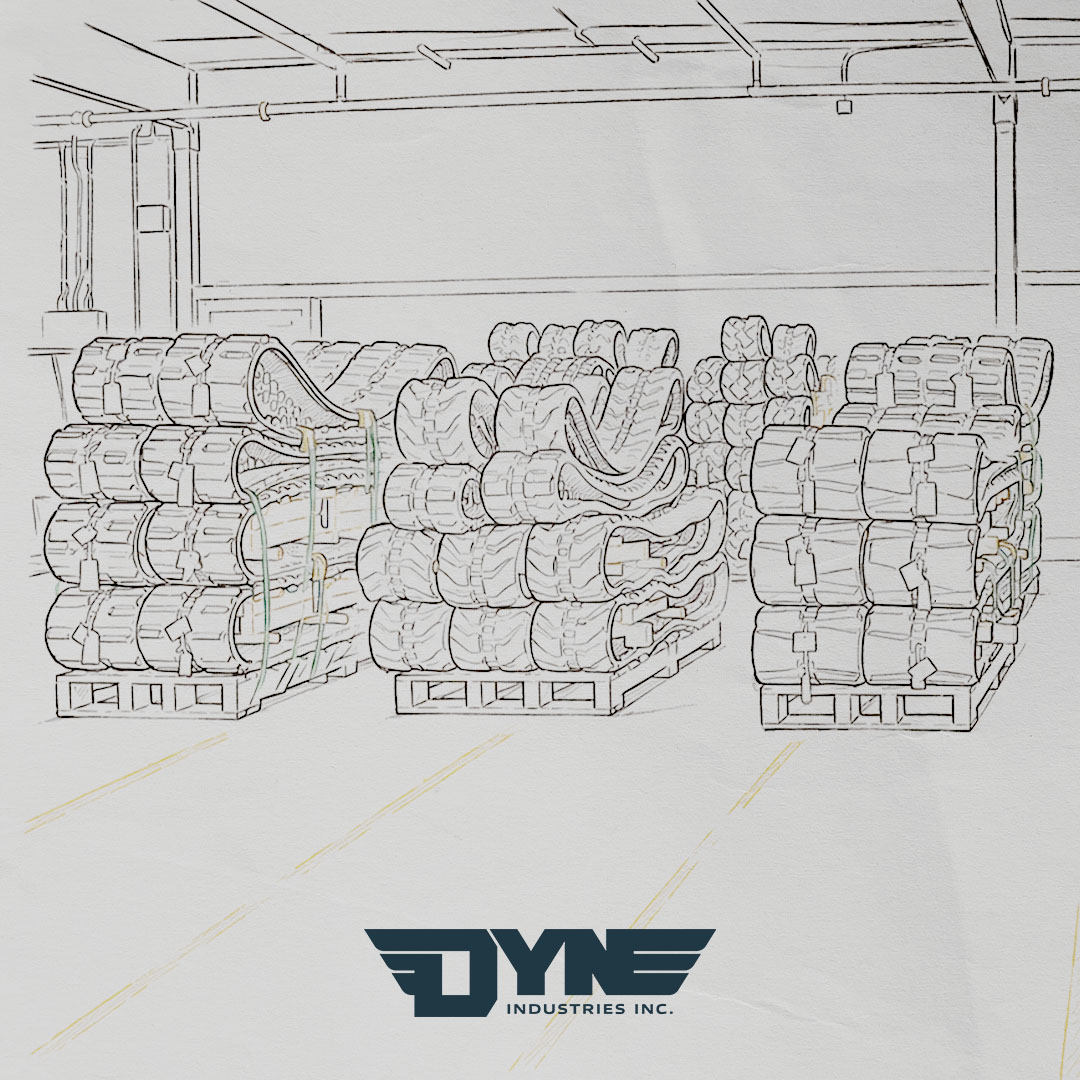
Aftermarket rubber tracks can help reduce downtime when they are matched to the right machine, tread, and jobsite conditions.
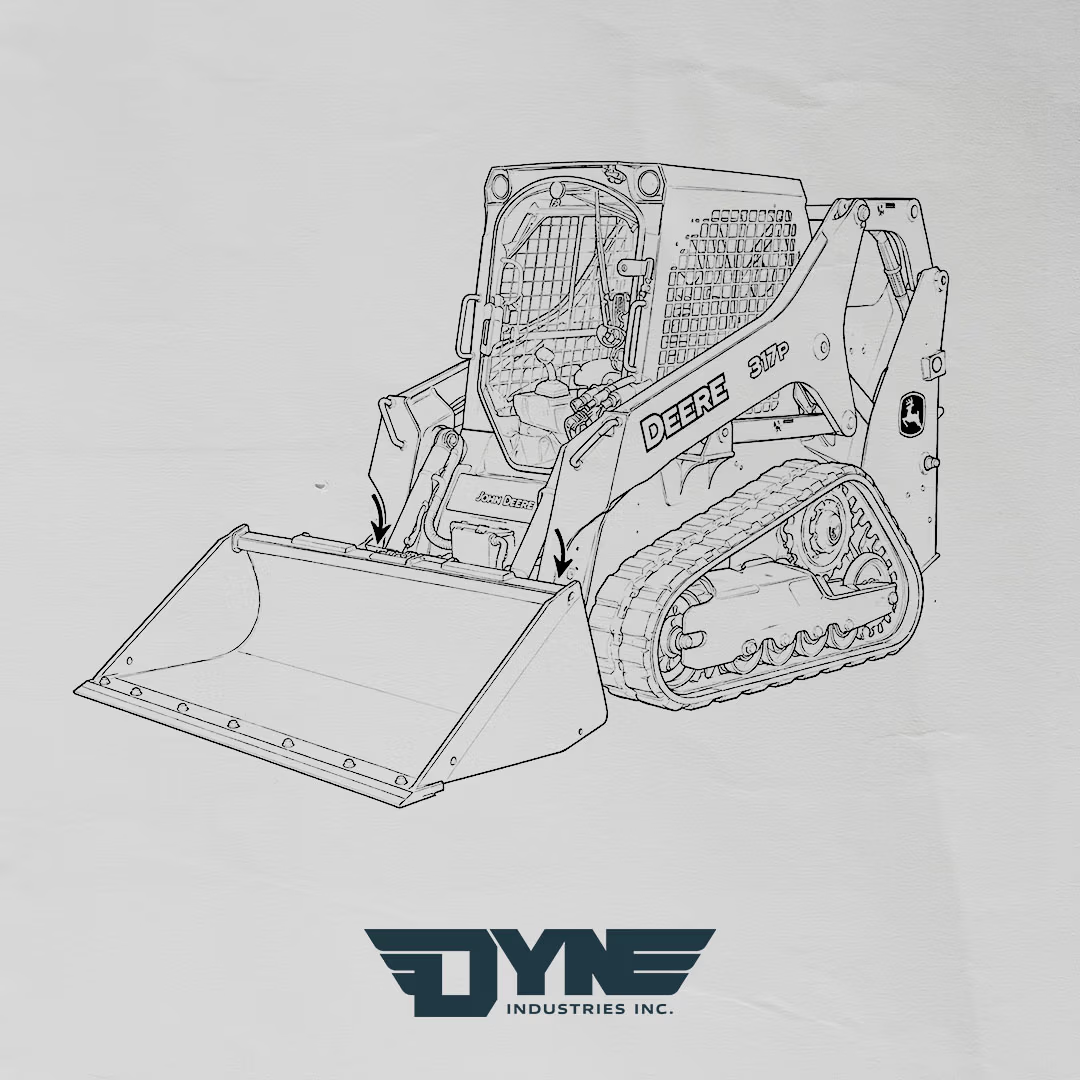
Learn what a John Deere skid steer on tracks means, including CTL replacement tracks, OTT kits, tread patterns, fitment, cost, and maintenance.