

Top Brands
Rubber Tracks Canada
Keep Your Projects On Track With Dyne Industries Inc.
High quality replacement tracks for skid steers, CTLs, and mini excavators. Better traction, longer life, and fast Canada wide delivery from Dyne Industries Inc.

Top Brands
- Show All
- 149x88x22
- 149x88x28
- 149x88x37
- 149x88x42
- 180x60x37
- 180x72x33
- 180x60x35
- 180x60x39
- 180x72x31
- 180x72Kx32
- 180x72x32
- 180x60x28
- 150x48x67
- 180x72Kx34
- 180x72Kx36
- 180x72Kx38
- 180x72Kx39
- 180x72Kx40
- 180x72Kx41
- 180x72x34
- 180x72x35
- 180x72x36
- 180x72x37
- 180x72x38
- 180x72x39
- 180x72x40
- 180x72x41
- 200x72Nx42
- 200x72x42
- 200x72x40
- 180x72Kx42
- 180x72x42
- 180x72x44
- 200x72Kx39
- 200x72x41
- 180x72Kx45
- 180x72x45
- 200x72x37
- 200x72x36
- 200x72x21
- 200x72x25
- 200x48x66
- 230x48x62
- 230x48x66
- 230x48x70
- 230x72x47
- 230x72x43
- 230x72Kx39
- 230x72x39
- 230x72x41
- 230x72x42
- 230x48x64
- 230x48x68
- 230x72Kx45
- 230x72x45
- 200x72x47
- 230x48x72
- 230x72x36
- 230x72x37
- 230x48x60
- 230x48x76
- 200x72x43
- 230x72x44
- 200x72Kx51
- 230x48x86
- 230x72x46
- 230x48x80
- 200x72x45
- 230x48Kx70
- 200x72x44
- 200x72x52
- 230x72x50
- 230x72x56
- 230x96x31
- 230x96x33
- 230x96x35
- 230x96x32
- 230x96x34
- 230x96x39
- 230x96x36
- 230x72x48
- 230x72x52
- 230x96x42
- 230x96x30
- 230x96x38
- 230x72x54
- 230x96x37
- 230x96x40
- 230x96x41
- 230x72x59
- 250x48.5x84
- 250x52.5Nx74
- 250x52.5x76
- 250x52.5Nx78
- 250x52.5Nx80
- 250x72x39
- 250x72x43
- 250x72x45
- 180x72Kx37
- 250x72x47
- 250x72x48
- 250x72x52
- 250x72x54
- 250x72x56
- 250x72x57
- 250x88x28
- 250x88x37
- 250x96x36
- 260x55.5x78
- 265x72x52
- 280x101.6x37
- 280x106x35
- 280x72x56
- 280x90x56
- 300x127x32
- 300x52.5Kx70
- 300x52.5Kx72
- 300x52.5x74
- 300x52.5Kx74
- 300x52.5Nx74
- 300x52.5Kx76
- 300x52.5x76
- 300x52.5Kx78
- 300x52.5Nx78
- 300x52.5Wx78
- 300x52.5Kx80
- 300x52.5Wx80
- 300x52.5Kx82
- 300x52.5Nx82
- 300x52.5Wx82
- 300x52.5x84
- 300x52.5Kx84
- 300x52.5Nx84
- 300x52.5Wx84
- 300x52.5x86
- 300x52.5Kx86
- 300x52.5Nx86
- 300x52.5Wx86
- 300x52.5x88
- 300x52.5KNx88
- 300x52.5Nx88
- 300x52.5KWx90
- 300x52.5Wx90
- 300x52.5Nx92
- 300x52.5x98
- 300x53x80
- 300x53x84
- 300x55YMx84
- 300x55.5x78
- 300x55.5x82
- 300x71x72
- B300x84x46
- 300x86x48
- 320x100x37
- 320x100x38
- 320x100x40
- 320x100x43
- 320x100x46
- 320x52.5x74
- 320x52.5x80
- 320x52.5x84
- 320x54x72
- 320x54x78
- 320x54x84
- 320x54x90
- 320x55x88
- B320x86Cx45
- B320x86Cx46
- B320x86Cx47
- B320x86Cx48
- B320x86Cx49
- B320x86Cx50
- B320x86Cx51
- B320x86Cx52
- B320x86Cx53
- B320x86Cx54
- B320x86Cx55
- B320x86Cx56
- ZZS320x86x56
- 320x90x44
- 320x90x46
- 320x90x52
- 320x90x56
- 320x90x58
- 350x100x53
- 350x100x58
- 350x52.5Kx84
- 350x52.5x86
- 350x52.5x90
- 350x52.5x92
- 350x54.5Kx86
- 320x55Kx88
- 350x56x84
- 350x73x76
- 350x75.5Kx74
- 356x152.4x46
- 370x107x41
- 381x101.6x42
- 381x101.6x51
- 400x107x46
- 400x72.5x58
- 400x72.5x68
- Y400x72.5Kx70
- KB400x72.5Kx70
- 400x72.5Wx70
- Y400x72.5Kx72
- 400x72.5Wx72
- S400x72.5Nx74
- S400x72.5Wx74
- S400x72.5Wx76
- 400x72.5x80
- S400x72.5Wx82
- 400x73x76
- 400x74x72
- 400x75.5Kx74
- B400x86Cx49
- B400x86Cx52
- B400x86Cx53
- B400x86Cx54
- B400x86Cx55
- B400x86Cx56
- B400x86Cx58
- B400x86Cx60
- 400x90x48
- 420x100x54
- 450x100x48
- 450x100x51
- 450x110x74
- S450x71x84
- S450x71x86
- S450x71x88
- 450x73.5x86
- 450x76x80
- 450x76x82
- 450x76x84
- S450x81Wx72
- S450x81Nx74
- S450x81Wx74
- S450x81Nx76
- S450x81Wx76
- S450x81Wx78
- SKB450x81.5x72
- SKB450x81.5x74
- SKB450x81.5x76
- 450x83.5x72
- Y450x83.5Kx74
- 450x83.5x76
- B450x86Cx36
- B450x86Cx42
- B450x86Cx52
- B450x86Cx54
- B450x86Cx55
- B450x86Cx59
- B450x86Cx60
- B450x86Cx63
- 450x90x56
- 450x90x64
- 457x101.6x51
- 457x101.6Cx51
- 457x101.6x55
- 457x101.6x56
- 460x102x51
- 460x225x36
- 470x152.4x53
- 483x152.4x52
- 485x92Wx72
- 500x100x62
- 500x100x65
- 500x90x78
- 500x90x82
- 500x92Wx78
- 500x92x82
- 510x101.6Cx51
- 600x100x76
- 600x100x80
- 600x100x82
- 600x125x64L
- 650x125x80
- 700x100x102
- 700x100x87
- 700x100x96
- 700x100x98
- 750x150x66
- 750x150x78
- 750x150x88
- 800x125x80
- 800x150x66
- K800x150x67
- 800x150x77
- 900x150x66
- 900x150x68
- 900x150x74
- 250x55.5x79
- 400x72.5KWx74
- 300x52.5Kx88
- 300x52.5Kx92
- 300x52.5Nx80
- 300x52.5Wx72
- 500x92Wx84
- KB400x72.5Kx72
- S450x71x82
- S450x81x78
- 610x152.4x42
- 620x90.6x64
- 635x152.4x59-K1
- 635x152.4x54-K1
- 762x152.4x63-K1
- SB320x86x49
- SB320x86x50
- ZZS320x86x50
- B320x86x52
- B320x86x54
- SB320x86x54
- B320x86x56
- B320X86X48
- B400x86x49
- B400x86GLx49
- B400x86x50
- B400x86Cx50
- B400x86GLx50
- ZZS400x86x50
- B400x86x52
- B400x86GLx52
- ZZS400x86x52
- B400x86x53
- ZZS400x86x53
- ZZS400x86x54
- B400x86GLx55
- ZZS400x86x55
- B400x86x56
- B400x86GLx56
- B400x86GLx58
- ZZS400x86x58
- B400x86GLx60
- B450x86x36
- B450x86x42
- ZZS450x86x42
- B450x86x52
- SB450x86x52
- B450x86Cx53
- ZZS450x86x53
- B450x86GLx55
- ZZS450x86x55
- B450x86x56
- B450x86Cx56
- B450x86GLx56
- SB450x86x56
- ZZS450x86x56
- ZZS450x86x58
- ZZS450x86x60
- ZZS450x86x63
- 915x152.4x42
- ZZS320x86x45
- ZZS320x86x46
- ZZS320x86x47
- ZZS320x86x48
- ZZS320x86x49
- ZZS320x86x51
- ZZS320x86x52
- ZZS320x86x53
- ZZS320x86x54
- ZZS320x86x55
- ZZS400x86x49
- ZZS400x86x56
- ZZS400x86x60
- ZZS450x86x36
- ZZS450x86x52
- ZZS450x86x54
- ZZS450x86x59
No Model Available. Call us or send us a message to help you find your best Rubber Track.
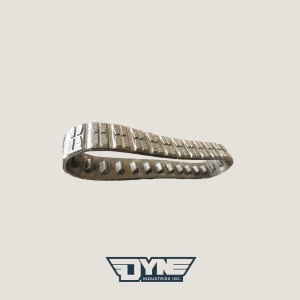
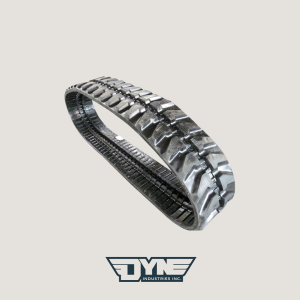
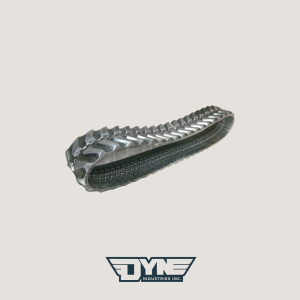
Why Rubber Tracks Canada Matters For Your Uptime
Complete Buyer Guide For Skid Steer, CTL, And Mini Excavator Tracks
When you run machines for a living, downtime is lost money. From winter snow to fall mud, your rubber tracks must keep you moving. That’s why smart Canadian operators replace tracks before they fail.
This guide shows you how to choose the right rubber tracks for skid steers, CTLs, excavators, carriers, and ag machines—covering sizing, lifespan, and what causes early failure.
It all comes down to three things:
Fitment. Application. Quality.
Get these right, and you’ll get more uptime, more productivity, and fewer breakdowns.

We ensure your equipment stays on track.
Smooth operation. Fewer delays. More results.
2,400+ Machine Models Covered
We offer extensive compatibility with your equipment needs.
ISO 9001 Certified Quality Assurance
Our products meet rigorous international quality.
3 Easy Steps to Get Your Tracks
Fast and simple process to cut downtime.
Find Your Tracks
Search our extensive inventory to find your track.
Submit Your Quote
Receive a transparent quote tailored to your needs.
Receive Your Tracks
Enjoy fast shipping to keep your projects on schedule.














The track is doing better than any other track I’ve ever used. By Oct 2014 I’ve put over 2000 hours on the tracks. I use the tracks in construction, pulling my scraper, climbing up local roads. This kind of usage is usually really rough on tracks, but on your tracks, I expect another 1000 hours.
I purchased tracks for my TL 130 from Dyne Industries and I would just like to say that not only do the tracks fit and work unbelievably but the service and availability were excellent also. I recommend this product and company for minimum down time and by far superior performance over OEM equipment.
We have found the service we received from your company top-notch! We ordered online with no problem, received our product on time as promised and are very happy with the product. We would recommend Dyne Industries to anyone who requires replacement tracks for their machines. Thanks for the great service and also for the after sales “follow-up” call. We appreciate it!
I had Dyne tracks for 3 years on my excavator. I used them in very diverse conditions, both in gravel, and woods, and lots of grade work. I am very satisfied with their strength and durability. They stand very strong, don’t stretch, and don’t wear fast. Always being careful avoid large sharp rocks.
I bought Dyne rubber tracks for my CAT 277B. I like the tread design. Good heavy duty tracks, durability is very good. Top of the line. They were good on stretch.
Great quality Bobcat 334 replacement rubber tracks, functionality no different from OEM ones. Great price. Very happy purchasing experience. Will come back to Dyne for sure!
My machine is a Nissan N260-2S. The track I bought from you fits perfectly. It also has very good traction. When I drive in mud, it does not slip, it stays firm. Dyne track is stronger than my old one. Very satisfied.
Also, service was very good, delivery time was quick. The salesperson was professional. I will definitely recommend Dyne to my friends.
Quality track, holds up to the pressure we put it through.
The rubber compounds are very good. The tracks are good and hard, does not tear easily. Definitely a quality track.
We are very pleased with the Bobcat 430 track you sold us and will purchase more when the time comes.
I am very happy with my Dyne tracks.
It took me quite some time to find tracks for my machine, a Takeuchi TB25. Luckily I finally found them from Dyne. They fit perfectly on my machine.
Also, the price is very competitive, and the quality very good. Salesperson gave good service. She dealt with my unique situation very well. Absolutely will contact Dyne again, and recommend to my friends.
I bought Dyne tracks for my Yanmar Vio50-2. I am very happy with the tracks.The track design works very well for heavy duty jobs. I sometimes run my machine over rocks & ruts, and Dyne tracks have held up very well.
I will go back to Dyne in the future for my other track machines. I have already recommended Dyne to my friends.












Rubber Tracks Basics - What They Are And How They Work
What are rubber tracks?
Rubber tracks are continuous reinforced belts that wrap around a machine’s undercarriage. Inside, steel cords and metal bars carry the load and maintain shape. On the outside, rubber lugs provide traction on mud, snow, dirt, and pavement.
Key undercarriage components include:
Sprockets – drive the track
Rollers – support the machine’s weight
Idlers – maintain tension and alignment
Across Canada, rubber tracks are used in construction, landscaping, agriculture, snow removal, and municipal work anywhere traction and low ground pressure matter.

How Rubber Tracks Work – Components and Function
Every tracked machine runs on the same basic idea.
Rubber tracks loop around a drive sprocket, front idler, and rollers. Inside, steel cords and core bars handle tension, while guide lugs keep the track aligned. Outside, tread lugs grip rock, mud, snow, or pavement.
Better flotation in mud, snow, and sand
More consistent pushing and digging power
A smoother ride with less bouncing
This is why rubber tracks have become standard on so many compact machines across Canada.

Rubber Tracks vs Tires vs Steel Tracks
You have three main options for most compact equipment: rubber tracks, pneumatic tires, or steel tracks.
Each has a place. The right choice depends on your ground conditions, your jobs, and how much you care about surface damage.
When to Choose Rubber Tracks in Canada
Rubber tracks hit the sweet spot for a lot of Canadian work.
Pick rubber tracks when:
You work on soft ground like topsoil, clay, muskeg, or snow
You need low ground pressure so you do not sink or rut the site
You care about surface protection on asphalt, driveways, and lawns
- You move between different ground types in a single day

Rubber tracks give you:
Great traction in mud and snow
Less damage to finished surfaces compared to steel
A quieter, smoother ride than steel or even tires in rough ground
- Strong overall cost per hour when matched to the right job
For many contractors, a tracked skid steer or CTL on rubber tracks becomes the “do everything” machine for Canadian job sites.

When Steel Still Wins
Steel tracks still have a place where conditions are brutal.
Steel is the better choice when:
You work in sharp rock all day
You are doing demolition with lots of rebar and broken concrete
You are in forestry or land clearing and surface damage does not matter
On many job sites in Canada, contractors run steel tracked excavators for the really nasty work and rubber tracked CTLs or minis for everything else.

Choose tires instead of rubber tracks when:
You work mostly on hard, flat surfaces like concrete yards and roads
You need higher travel speeds and lots of load and carry
You want the lowest upfront cost per machine
Tires are:
Cheaper to buy up front
Easy to replace one at a time
Good on clean concrete and asphalt

The downside is higher ground pressure. All the machine’s weight sits on a few contact patches, so a wheeled skid steer can sink and spin where a rubber tracked machine would float and push.
Some operators run over the tire (OTT) tracks on skid steers as a halfway option. That can help in mud, but it is not the same as a purpose built CTL.
If most of your work in Canada is mixed terrain, rubber tracks will usually beat tires for uptime and traction.

Where Rubber Tracks Are Used Across Canada (Construction, Ag, Municipal, Snow Work)
Construction and oilfield
CTLs grading pads and building access roads
Mini excavators trenching for utilities in tight yards
Track carriers hauling pipe or material across muskeg


Agriculture and land development
Tracked tractors reducing soil compaction in wet fields
Skid steers feeding and cleaning in muddy yards
Land clearing machines working on soft and uneven ground
Municipal and snow work
CTLs and skid steers plowing snow on lots and sidewalks
Track machines loading trucks in icy yards
Work on parks and trail systems where turf damage must be limited

Rubber Tracks Canada
Built to handle harsh job sites and high-hour workloads
ISO 9001 Certified Manufacturing
Made with strict quality standards for reliable performance. Every track meets global standards for quality and performance.

100% Virgin Rubber Construction
Made from pure rubber, not recycled. This gives it great elasticity and wear resistance.
This means fewer cracks and longer life compared to tracks with recycled blends.

Continuous Steel Cord Reinforcement:
Each track has continuous steel cables inside. This gives it strong tensile strength.
This design stops stretching or snapping. It ensures stable operation even with heavy loads and rough terrain.

Advanced Rubber Compound
Our special rubber compound fights cuts, chunking, and wear.
Enjoy extremely wear-resistant tracks that give you more hours of use and a lower cost per hour of operation.

Kevlar-Reinforced
We provide Kevlar-infused rubber tracks for specialized all-terrain loaders like ASV, Terex, and CAT MTL models.
These tracks offer great flexibility and strength. They handle tough conditions while still performing well.

By combining premium materials with meticulous engineering, Dyne Industries tracks deliver long-lasting performance that meets or exceeds OEM standards.
You’re investing in tracks that pay off with reliability and the lowest per-hour operating cost in the industry.

What Makes a High-Quality Rubber Track?
Not all rubber tracks are built the same.
Two tracks might look identical on the outside, but what matters is inside the rubber, the steel, the compound, and the way it is all bonded together.
Cheap tracks fail early. Quality tracks last longer and hold tension better. In Canada, that difference becomes obvious fast.
Here are the parts that separate a good track from a bad one.

1. Rubber Compound and Carcass Quality
A rubber track lives or dies by its rubber.
Good tracks use a blend of natural and synthetic rubber that stays flexible in cold weather, resists cuts, and handles the heat and abrasion of summer work.
Cheaper tracks use more filler or recycled rubber. That is when you see:
Early cracking
Chunking on the outer lugs
Rubber separating from the steel inside

Canadian Cold-Weather Flexibility Requirements
Winter exposes weak compounds fast.
When rubber gets stiff and brittle in the cold, it cracks under tension. You might see:
Tiny surface cracks
Deep splits on the edges
Lugs breaking off when frozen mud packs in
Quality rubber stays flexible at lower temperatures, giving you longer life through freeze-thaw cycles.

UV, Chemical, and Salt Resistance
In Canada, tracks get hammered by:
Road salt
Fertilizer and manure
Hydraulic oil
Summer UV exposure
Good compounds include additives that resist UV breakdown and chemical damage. If you work in winter salt routes, farms, or coastal regions, this matters even more.
2. Steel Cords, Core Bars, and Internal Build
Inside the rubber track is a network of steel that does the heavy lifting.
If the internal steel is weak, nothing else saves the track.

Continuous Cords vs Overlapped Cords
Continuous cords are the gold standard.
They are a single loop of steel wound through the entire track with no splice. This design:
Holds tension better
Stretches less over time
Reduces the chance of internal breakage
Older or cheaper tracks use overlapped cords, which have a built-in weak point where the cables join. When those cords stretch or snap, the track will no longer hold tension.

Why Internal Steel Quality Determines Lifespan
High-tensile steel resists stretching. Low-quality steel does not.
When cords stretch:
You see constant slack
You keep re-tensioning
Eventually, the track sags no matter what
When cords break:
The track gets lumpy as it rotates
You lose alignment
Failure becomes a matter of time
Good internal steel is what lets a track survive Canadian job sites.

3. Tread Patterns and Guide Systems
Tread is not just about traction. It is about matching your ground conditions to the right pattern so you get longer life and less downtime.
Here are the main tread styles you see in Canada.

Rubber Tracks Canada Tread Patterns for Construction, Farming, and Snow Work
C-Lug (C-Pattern, C-Pad)
Design:
Lugs with C-shaped notches that create many small gripping edges. Often arranged in a staggered pattern for stability and smoothness.
Best For:
Mixed work where you run on concrete, asphalt, hardpack, dirt, slopes, and light to moderate mud or snow.
Pros:
Very versatile pattern that handles a wide range of jobs.
Good balance of traction and smooth ride on hard surfaces.
Solid flotation in soft ground without tearing it up too badly.
Works well for contractors who go from subdivision driveways to backyards to farmyards.

Zig-Zag (Chevron)
Design:
Angled lugs laid out in a V or chevron pattern. This creates lots of biting edges in multiple directions.
Best For:
Snow, slush, wet clay, and hilly or side-slope work where you need grip going forward and sideways.
Pros:
Excellent traction in winter conditions and sloppy ground.
Good self-cleaning, sheds snow and mud well.
Smoother on hard surfaces than straight bar because lugs hit the ground at an angle.

Block Pattern
Design:
Staggered rectangular lugs across the tread, usually medium depth. Lots of rubber on the ground at any time, which evens out the ride.
Best For:
General construction, yards, gravel, hardpack, light mud, and mixed surfaces where you need one “do it all” pattern.
Pros:
Good all-around traction in most conditions.
Smooth ride with low vibration for the operator.
Easier on undercarriage parts than very aggressive patterns.
More turf-friendly than straight bar or heavy rock patterns.


Straight Bar
Design:
Full-width bars that run straight across the track. Deep, aggressive lugs that dig in hard when you push or pull.
Best For:
Mud, snow, soft ground, and situations where you need maximum forward bite more than comfort.
Pros:
Excellent traction in mud and snow.
Good self-cleaning as the open gaps shed material.
Strong pushing power for grading, trenching, and digging in soft ground.

Turf-Friendly
Design:
Very shallow, wide lugs or an almost continuous rubber surface. Focus is on spreading weight and avoiding sharp edges.
Best For:
Golf courses, sports fields, fine landscaping, cemeteries, and any job where surface protection is the priority.
Pros:
Minimal ground disturbance and very low risk of tearing sod.
Smooth, low-vibration ride on lawns and finished surfaces.
Ideal when the main goal is to leave the site looking untouched.
Matching Treads to Canadian Terrain
In Canada, pick your tread based on where you spend most of your hours:
Snow and ice: Zig-zag or bar
Mud and muskeg: Bar or aggressive block
Landscaping: Block or multi-bar
Rock/quarry work: Rock pattern
Concrete yards: Multi-bar or turf-friendly
Choosing the wrong tread kills your track early, especially in harsh terrain.

3 Easy Steps to Get The Right Rubber Tracks
Fast and simple process to cut downtime.
Find Your Tracks
Search our extensive inventory to find your track.
Submit Your Quote
Receive a transparent quote tailored to your needs.
Receive Your Tracks
Enjoy fast shipping to keep your projects on schedule.
Frequently Asked Questions about Rubber Tracks Canada
We’ve compiled some of the most common questions. If you don’t see your question here, feel free to contact us – we’re here to help!
Rubber tracks are used to give compact machines traction and stability on surfaces where wheels would struggle.
On construction sites, tracks allow equipment like skid steers and mini-excavators to work on soft ground (mud, sand) without sinking, and to traverse sensitive areas like finished lawns or asphalt with less damage (no sharp tire ruts). They also provide a smoother ride over bumps, since the track’s length bridges gaps (like an instant road). On farms, tracked tractors and equipment spread out the machine’s weight to reduce soil compaction, protecting crop yield.
They excel in muddy fields where wheeled tractors might get stuck – tracks keep you moving in mud and snow by virtue of that large surface area and continuous grip. In summary, tracks shine when you need low ground pressure, high traction, and surface protection all at once.
approximately 1,200 to 1,600 operating hours in typical mixed use
Many operators in Canada report getting around 2 years out of a set if they use the machine most days. With very careful use on gentle terrain (and good luck), you could see over 2,000 hours. On the other extreme, aggressive use in sharp terrain can wear tracks out in well under 1,000 hours.
For instance, some heavy users in demolition might only get 600-800 hours before replacement. Canadian winter conditions can add wear (due to cold cracking and maybe running on salted roads). The key is maintenance and habits: by taking care of tension, cleaning, and avoiding destructive moves, you’ll hit the higher end of the lifespan range. Always monitor your tracks as they approach these hour marks for signs of wear that warrant replacement.
The fastest way is to read the size off the old track – many tracks have the size embossed on the rubber. It will look like a series of numbers (and possibly a letter), e.g. 400×72.5×74 or 320×86×52 (width × pitch × links). If that’s unreadable, you’ll need to measure: measure the track width (mm), measure the pitch (from one link’s center to the next), and count the total number of links around the track.
Provide those numbers to your supplier along with the machine make and model. They might also ask whether your machine’s undercarriage is the standard type or if there were alternate options, which is where photos can help. If you have the parts or operator’s manual for the machine, it often lists the track size in there as well. When in doubt, lean on the supplier’s expertise – give them all the info and they can cross-reference the exact track you need. It’s critical to get it right to avoid the hassle of returns or a track that doesn’t fit.
For you to get the right size you can call us +1-888-696-9428.
It really comes down to your typical job site conditions:
- Choose rubber tracks if you work in places where you care about the ground surface (city streets, driveways, lawns, indoor floors) or if you deal with a lot of soft ground (mud, snow, sand). Rubber tracks are much kinder on surfaces – they won’t scratch pavement or crush pavers like steel would. They also make the machine more versatile in mixed conditions and are quieter and smoother, which your clients/neighbors (and your back) will appreciate. For example, a landscaper or a contractor doing residential work will benefit from rubber tracks because they can drive over grass and asphalt without causing significant damage, then go into a muddy backyard and not get stuck.
- Choose steel tracks if you operate in relentless, harsh terrain where rubber would constantly get cut or worn out, and surface damage is not a concern. This includes applications like forestry (jagged stumps, rocks), demolition (sharp metal debris, broken concrete), or some heavy excavation in rocky ground. Steel will outlast rubber in those settings and provide excellent traction on rough, uneven ground where the biting edges of metal help. Keep in mind steel tracks make the machine heavier (which can increase ground pressure) and less forgiving – you wouldn’t want to run a steel-tracked machine on someone’s interlocking brick driveway, for instance, as it could crack the bricks. Also, steel undercarriages often require more maintenance (track tensioning, pin and bushing turns on large dozers, etc.). Some operators use bolt-on rubber pads on steel tracks to get a bit of both worlds – this can allow a steel-tracked machine to work on pavement by covering each grouser with a rubber pad.
In many operations, it’s not either/or for the whole fleet but machine-specific: e.g., you might have a steel-tracked excavator for land clearing in the rough, and a rubber-tracked CTL for finish grading and loading on prepared surfaces. If you only have one machine and do a bit of everything, rubber tracks are generally the more versatile choice. They’ll handle most tasks and only cede to steel in the truly extreme jobs, which you might choose to avoid or rent a steel-tracked machine for on occasion.
To get the most hours out of your rubber tracks, focus on maintenance and operating practices:
- Keep them properly tensioned – not too loose, not too tight. Check and adjust tension regularly as part of your maintenance routine (e.g., weekly) to ensure optimal conditions for wear.
- Clean the tracks and undercarriage after working in conditions that pack mud or debris. In winter, clear out snow/ice buildup every day. Stored mud or chemicals will shorten track life, so a little cleaning goes a long way.
- Avoid destructive maneuvers – minimize pivot turns on hard ground, don’t spin the tracks needlessly, and take it easy on abrasive surfaces. Use the good habits we discussed (3-point turns, slower turns, approach obstacles carefully).
- Inspect frequently – catch problems early. If you notice a small tear, you might round off any sharp edges of the tear to prevent it spreading (some operators carefully use a knife to trim a jagged crack into a smooth oval). Remove any embedded objects (nails, wire) promptly. If a track is starting to de-laminate somewhere, monitor it closely.
- Maintain the undercarriage – replace worn sprockets, rollers, and keep everything aligned. A healthy undercarriage distributes wear evenly and prevents abnormal stresses that can rip up a track. For example, new tracks can be ruined quickly by a shark-tooth sprocket or a seized roller, so don’t neglect those parts.
- Seasonal care – In winter, consider parking the machine on wood planks or rubber mats rather than frozen concrete or mud, to prevent freezing down. In summer, park in shade if possible to reduce UV exposure. Small things like that reduce environmental aging.
In summary, treat the tracks as you would expensive tires: keep correct pressure (tension), rotate (well, can’t rotate tracks, but you ensure other components like sprockets are fresh), and don’t do burnouts! Do that, and you’ll maximize the hours before you need a new set.
Tracks are usually machine-specific. Even if two machines look similar, the size, pitch, or guide pattern may differ. Always match the exact track size and part number. While some people keep different track sets (like steel vs. rubber or non-marking), changing tracks is time-consuming and not common. Most users choose one general-purpose track that fits most jobs.