

If you run a ditch witch trencher, you already know the job is rarely “just a trench.” One bad stretch of wet clay, frozen ground, or buried rock can turn a simple install into a long day, and downtime gets expensive fast.
This guide is built for real jobsites in Canada. We will walk through the main Ditch Witch trencher categories, what each one is best for, and how to choose based on depth, soil, access, and production needs. You will also learn why rubber tracks matter so much for traction and uptime, and what to watch for before a track becomes a job-stopper.
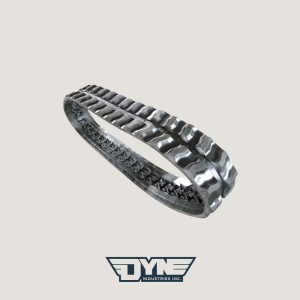
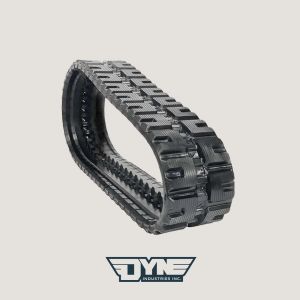
If you are looking for rubber tracks for your ditch witch trencher, you can shop compatible tracks here, or call Dyne Industries Inc. with your model and year to confirm fitment. You can also start building a wishlist so you are ready before peak season hits.
TL;DR: Picking the right Ditch Witch trencher fast
If you are shopping, renting, or trying to keep a crew moving, this section helps you pick a ditch witch trencher without getting lost in brochures. You will match machine class to trench depth, ground conditions, and access, then plan for rubber track wear so you do not get blindsided mid-job.
Shop Rubber tracks
Get Back on Track, Fast
Search, Quote, Ship, Back to Work
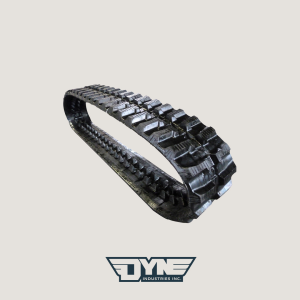
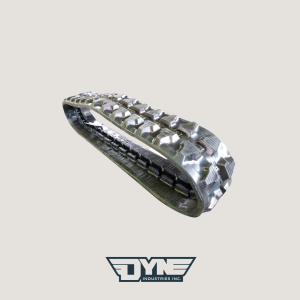

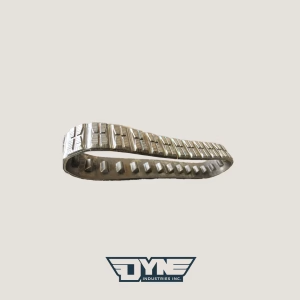
If you are trenching under 4 ft, start with a walk-behind (CX Series)
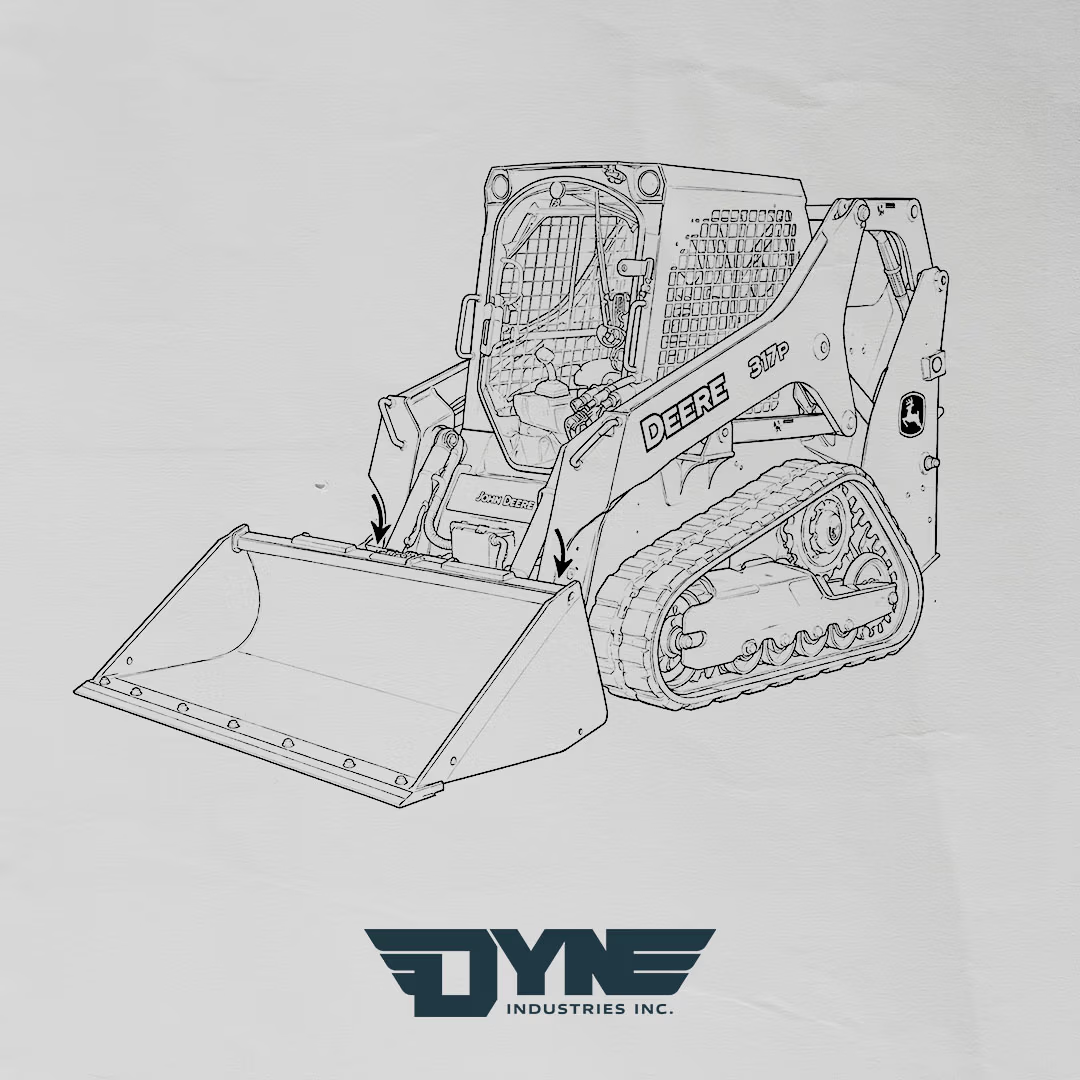
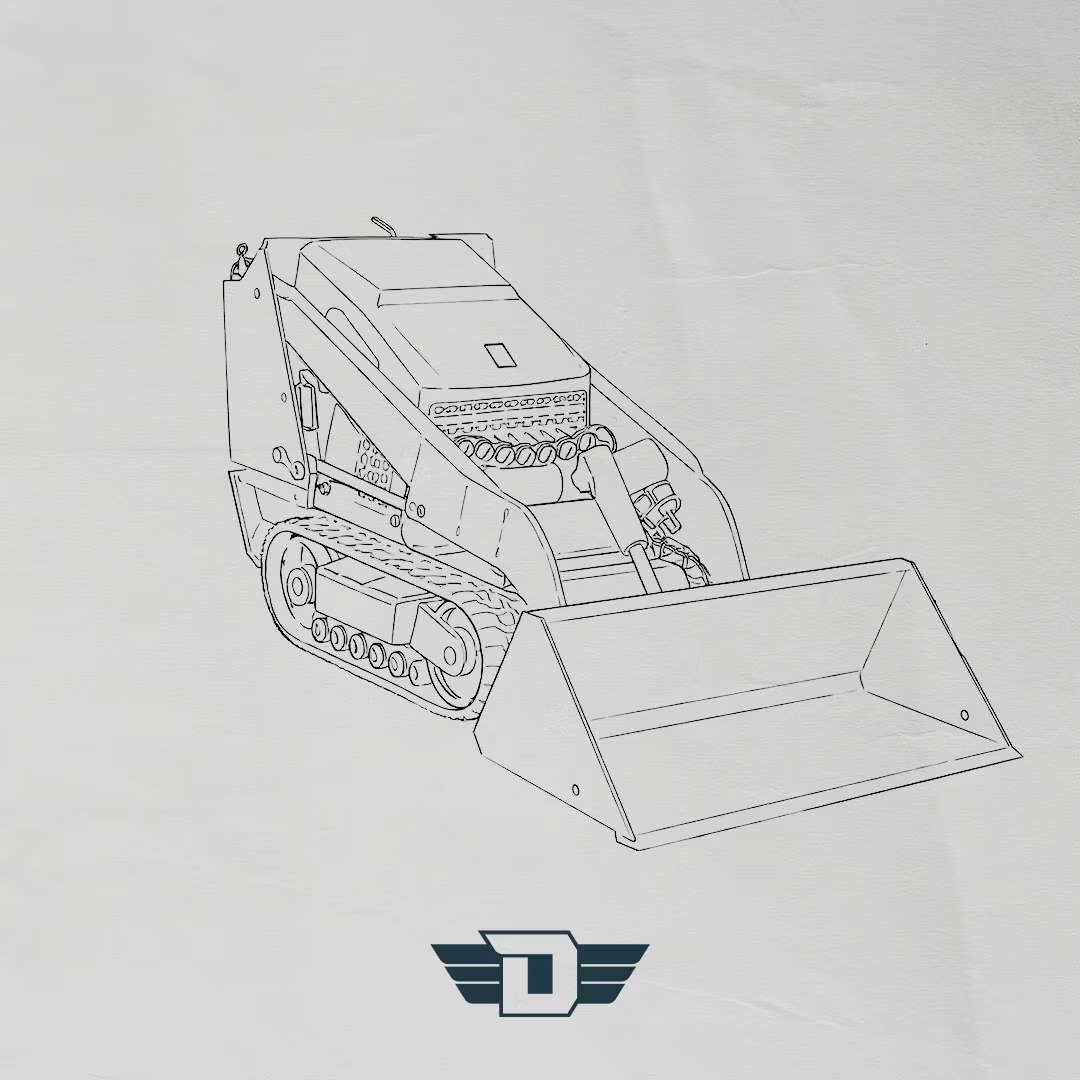
For shallow utility runs, tight backyards, and smaller crews, a CX Series walk-behind ditch witch trencher keeps things simple. These units are built for tight access, and the CX lineup tops out at 48 in trench depth on the larger walk-behind models.
If you need 4 to 5 ft consistently, look at a ride-on like the RT45
Once you are in that 4 to 5 ft zone day after day, you are usually trying to hit production targets, not just “get it done.” Ditch Witch calls the RT45 “ideal” for digging a 4 to 5 ft trench, and ride-on attachments on this class can reach into that range depending on the boom and chain setup.
If you work in mud, soft clay, snow, or slopes, tracks (especially Quad) can be the difference between working and getting stuck
Soft ground is where the job goes sideways fast. Quad track machines spread weight out, increase traction, and help keep the machine stable when conditions are ugly, which is exactly when downtime gets expensive.
If you are cutting pavement for fibre, you are in microtrencher territory (MT models)
Microtrenching is about narrow, shallow cuts for conduit and fibre with minimal disruption, not deep trenching. MT attachments have defined depth and width ranges depending on model and blade choice (for example, MT12 and MT16 are built around narrow cuts for fibre).
If your trencher is tracked, track condition is a top downtime risk, budget for replacements
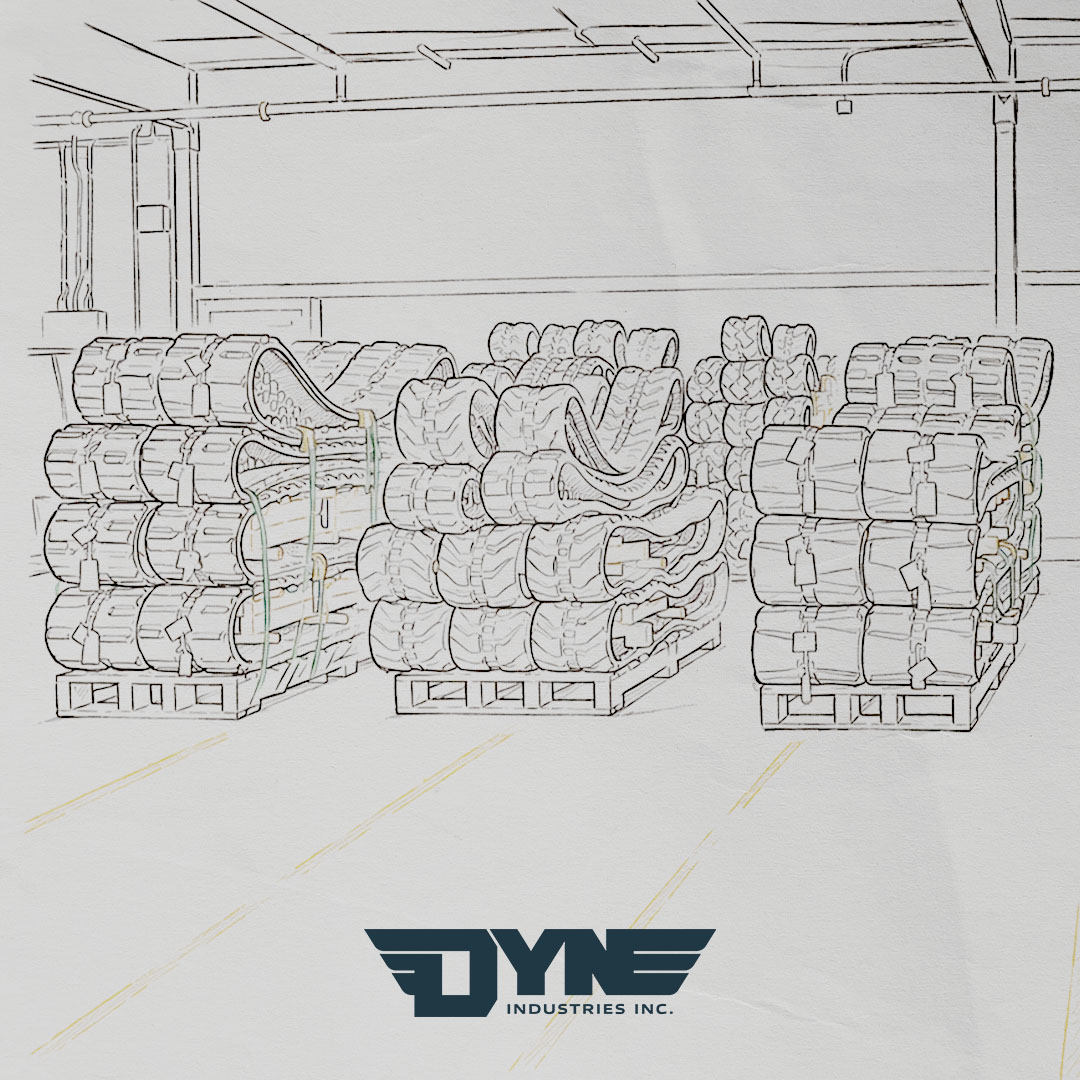
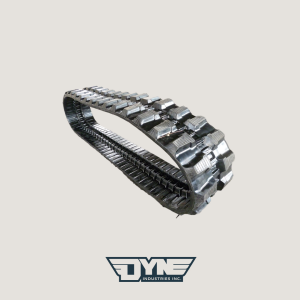
Rubber tracks are wear items. If you wait until cords show or a track de-tracks, you are already behind. Build track replacement into your budget like you would teeth, chain, and sprockets.
Wrap up: Pick your ditch witch trencher by depth first, then match it to ground and access, then protect uptime by planning for track wear before it becomes a job-stopper.
What is a Ditch Witch trencher (and what does it do)?
If you are new to underground work, a ditch witch trencher can look like a simple machine until you hit rock, frost, or a tight site. This section explains what trenching is, what the machine actually does, and why “Ditch Witch” is often used like a generic term on jobsites.
Simple definition (what “trenching” means, what the machine actually does)
Trenching means cutting a long, narrow channel in the ground so you can place pipe, conduit, cable, or drain tile at a consistent depth.
A ditch witch trencher typically uses a digging chain on a boom to cut soil, then an auger and spoil system throws the material to the side so the trench stays open long enough to install your line.
Common uses (utilities, irrigation, drainage, electrical, fibre, farm water lines)
You will see a ditch witch trencher on jobs like irrigation installs, yard drainage, electrical and gas services, fibre drops, farm water lines, and long utility runs where hand digging would burn days. The machine choice changes based on how deep you need to go, what the soil is doing, and how tight the access is.
Why Ditch Witch is a common brand name people use like a generic term
Ditch Witch has been in the trenching game for decades, going back to the company’s early compact trencher in 1949.
That long history is a big reason many people say “ditch witch trencher” even when they mean “a trencher.”
For first-time buyers
If this is your first purchase or rental, do not start with horsepower or marketing names. Start with depth, soil conditions, and access, because those three decide whether the machine feels smooth or feels like a fight all day. You can fine-tune from there.
Ditch Witch trencher models at a glance (2026)
Ditch Witch trenchers break into a few clear categories, and each category fits a certain kind of work. This section gives you a fast map of the lineup so you can narrow in before you compare detailed specs.
Walk-behind trenchers (CX Series)

CX Series walk-behind machines are built for tight access and smaller trenching jobs. The CX lineup includes models that range from 24 in trench depth up to 48 in, depending on the unit.
Stand-on trenchers (ST Series)

Stand-on trenchers are about visibility and fast movement on tighter sites. The ST37X, for example, is designed as a stand-on unit with an integrated digging system and published trench depth and width ranges tied to the digging setup.
Ride-on trenchers (RT Series)

Ride-on trenchers are built for production and longer runs. Ditch Witch positions RT45 as a 4 to 5 ft trench machine, with RT70, RT80, and RT125 stepping up in capability and attachment range.
Quad-track trenchers (RT Quad)

Quad models are about traction, flotation, and stability. The RT125 Quad literature calls out features like heavy-duty quad track frames, rear steering, and a tilt-frame configuration to help keep trenches vertical on uneven ground.
Microtrenchers (MT Series)

Microtrenchers are for narrow pavement cuts for fibre and small conduit. MT models and attachments publish narrow trench widths and shallow depth ranges, depending on model.
A quick comparison table (Depth, Width, Typical job, Transport size)
| Category | Typical depth range | Typical width range | Typical job | Transport size |
| CX walk-behind | Up to 24 to 48 in (by model) | About 4.3 to 6 in (by model) | Residential utilities, irrigation, drainage | Small trailer, tight access friendly |
| ST stand-on | Published around a 36 in class (by setup) | Varies by setup | Quick production on tight sites, good visibility | Trailer, faster repositioning |
| RT ride-on | Commonly 4 to 5 ft class (RT45) and up | Varies by attachment | Longer runs, higher daily footage | Equipment trailer, more room needed |
| RT Quad | Depends on base platform and attachment | Varies by attachment | Soft ground, slopes, rough access | Heavier transport planning |
| MT microtrencher | Roughly 3 to 26 in (by model) | Roughly 0.375 to 3 in (by model) | Fibre and small conduit in pavement | Usually attachment-based systems |
Note on specs by year (engines and emissions tiers can change, always confirm by serial number and year)
Even on the same model name, engines, emissions tiers, and option packages can change by year. Ditch Witch literature also flags that specs are general and can change, so always confirm by serial number and the exact spec sheet for your unit.
Wrap up: Now that you have the map, we can zoom into each ditch witch trencher category and talk about real job fit, not just brochures.
Ditch Witch walk-behind trencher lineup (CX Series): C12X, C16X, C24X, C30X
Walk-behind trenchers are where a lot of crews start, especially for residential and light commercial work. This section breaks down the CX Series and what actually matters when you are trying to trench in tight access without burning a day fighting traction.
Who these machines are for (tight access, small crews, residential and light commercial)
A CX Series ditch witch trencher is a strong fit when you are working through gates, between houses, or around landscaping where a ride-on is too much machine. They are also common in rental fleets because they can handle mixed ground without tire flats.
Key differences by model (power, max depth, footprint)
The CX Series spans multiple sizes, so you can match the machine to your depth without overbuying. Published trench size max ranges from 24 in on C12X up to 48 in on C30X, with typical trench widths in the 4.3 to 6 in range depending on model.
The CX track design (why it turns tighter and grips better than older wheeled units)
The CX literature calls out a patent-pending track design that puts more track on the ground for traction and stability. It also notes a shorter left track design for a narrower profile, which helps on tight sites where you are constantly repositioning.
Common attachments and options (backfill blade, boring attachment, etc.)
Two common add-ons in the CX literature are a backfill blade for faster cleanup and a boring attachment (Roto Witch) to reduce disturbance when you need to go under sidewalks or driveways. These options matter when restoration is part of the job, not an afterthought.
What to check when buying used (chain wear, headshaft, bearings, hydraulic leaks, track wear)
On a used ditch witch trencher, start with the digging system. Look for chain stretch, tooth wear, and signs the headshaft and bearings have been neglected, because that is where repair bills stack up fast. Then check for hydraulic leaks, sloppy controls, and track wear patterns that suggest misalignment.
Wrap up: A CX Series walk-behind ditch witch trencher is often the best value when access is tight, but only if the digging system and tracks are not already at the end of their life.
Stand-on trenchers: where the ST37X fits (and why crews like it)
Stand-on trenchers are a “middle ground” that a lot of crews love once they try them. This section explains what stand-on means in practice, where the ST37X fits, and why visibility and quick repositioning can matter more than raw size.
What “stand-on” means and when it beats a seated machine (visibility, tight sites, quick hops)
Stand-on means you are upright on a platform, which can improve sightlines to the trench line, spoils, and obstacles. On tight residential sites or crowded commercial work, that visibility can reduce rework and help you stay efficient when you are making lots of short moves.
ST37X overview (power class, job fit, operator control)
Ditch Witch positions the ST37X as a durable stand-on with an integrated digging system, and its literature shows a trencher setup aimed at utility and light construction work. When you are comparing, focus on the digging setup offered with the unit, not just the machine name.
Best use cases (footings, drainage, landscaping, utility installs)
The ST37X style ditch witch trencher fits crews that want more speed than a walk-behind but still need tight-site agility. Think drainage, landscaping trenching, and utility installs where you are working around finished surfaces and you need to stay precise.
Wrap-up: if you need agility but still want serious trenching power, stand-on is the middle ground
If a walk-behind is too slow and a ride-on is too big for your sites, a stand-on ditch witch trencher is often the practical middle ground.
Ditch Witch ride-on trencher lineup (RT Series): RT45, RT70, RT80, RT125
Ride-on trenchers are built for production, longer runs, and tougher timelines. This section breaks down the RT lineup in plain terms, then gives you a simple “choose your class” guide so you do not overbuy or underbuy.
When a ride-on is the right call (depth, distance, production, backfill speed)
If you are trenching long distances, working against tight schedules, or cutting in tougher conditions where you need mass and stability, a ride-on ditch witch trencher starts making sense. You also gain options like backfill blades and a broader attachment ecosystem, which can tighten up the whole workflow.
RT45 overview (popular mid-size, 4 to 5 ft class)
Ditch Witch calls the RT45 ideal for digging a 4 to 5 ft trench. On the attachment side, RT45 trencher setups can list trench depths like 63 in max with certain configurations, but depth always depends on the boom and chain setup you choose.
RT70 overview (heavy-duty production, tight schedules, shift-on-the-fly)
Ditch Witch describes the RT70 as built for heavy-duty trenching, plowing, and microtrenching jobs with tight fits and tight schedules. In other words, it is designed for crews that cannot afford to get stuck babysitting a machine.
RT80 overview (powerful multi-application platform)
The RT80 is positioned as a versatile heavy-duty trenching and plowing machine with optional attachments like a backhoe and reel carrier. Its literature also describes systems aimed at traction and control in rough terrain and changing weather.
RT125 overview (largest ride-on class, wide attachment range) and “specs vary by year” note (engine listings differ across literature)
The RT125 is marketed as a high-productivity ride-on with a wide attachment range, and the current RT125 literature highlights features like cruise control, anti-stall technology, and multiple attachment options. Like any production-class ditch witch trencher, specs and engine details can vary by year and region, so always confirm the exact sheet for your unit.
Choose your class mini guide (depth needed, soil, trench width, transport limits)
Here is a jobsite-first way to choose:
- If you are mostly in the 4 to 5 ft range, start your comparisons around RT45 class.
- If your soil is heavy, wet, frozen, or you are pushing daily footage hard, look at RT70 and RT80 class and compare attachment options and transport logistics.
- If you need maximum versatility and output with a broader attachment range, RT125 class is where many large contractors land.
A ride-on ditch witch trencher is about production and attachment flexibility, so pick the class that hits your depth and ground conditions without overcomplicating transport and maintenance.
Quad-track trenchers (RT80 Quad, RT125 Quad): when four tracks are worth it
Quad is not just a cool option package, it is a solution to specific jobsite pain. This section explains what Quad changes, where it pays off, and what you take on in maintenance and cost.
What Quad Track changes (traction, flotation, stability, slope confidence)
Four tracks spread weight out and keep more rubber on the ground. That usually means less rutting in wet conditions, better traction in mud or snow, and more stability when you are working on uneven ground where a wheeled unit feels sketchy.
RT80 Quad overview (jobsite conditions it is built for)
RT80 Quad is generally aimed at crews working in rough and uneven terrain where traction consistency matters. If you are trenching in shoulder seasons, thawing ground, or soft clay where machines love to sink, Quad is the kind of upgrade that can save the day.
RT125 Quad overview (heavy undercarriage, high output)
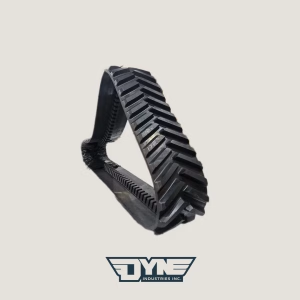
The RT125 Quad literature calls out heavy-duty quad track frames, rear steering for tighter turning, and chevron-pattern tracks designed to self-clean and provide traction. It also highlights a tilt-frame configuration that helps keep trenches vertical on uneven ground.
Tradeoffs (cost, undercarriage maintenance, more track components)
Quad usually costs more up front, and you have more undercarriage components to watch. If your crew does not have a maintenance rhythm, Quad can become “expensive traction” instead of “productive traction.”
Quad shines in soft ground and tough access where downtime is expensive
Quad is worth it when the ground is soft, uneven, or steep enough that getting stuck would wreck your schedule, now let’s look at pavement and fibre work where microtrenchers take over.
Microtrenchers (MT Series): MT12, MT16, MT26, MT122, MT124, MT164
Microtrenching is its own world, and it has different rules than dirt trenching. This section explains what microtrenching is, what the MT models are designed to do, and what to plan for when you are cutting asphalt or concrete.
What microtrenching is (narrow, shallow cuts for fibre and small conduit)
Microtrenching is cutting a narrow slot in pavement for fibre-optic or small conduit installs. The focus is speed and minimal disruption, with published trench widths often measured in fractions of an inch, not inches.
Model overview and typical trench dimensions (use the official comparison chart)
Here is the simple way to think about MT models using published ranges:
- MT12: adjustable trenching depth ranges depending on blade, with narrow trench widths up to about 1.5 in.
- MT16: designed for trenches roughly 0.5 to 2 in wide and up to 16 in deep.
- MT26: aimed at larger microtrenching, with published trench depth up to 26 in and trench width ranges in the 1.5 to 3 in zone.
- MT122/MT124: shallow microtrenching ranges are published up to 12 in deep with trench widths around 0.5 to 1.5 in.
- MT164: published up to 16 in deep with trench widths up to about 2 in.
Choosing the right MT model (depth, width, surface type, carrier compatibility)
Pick the microtrencher by the trench you actually need, not the biggest number on paper. Then confirm carrier compatibility and flow requirements, because some MT models are built around specific platforms (for example, MT122 vs MT124 preferred flows are listed in the literature).
Asphalt vs concrete considerations (blade wear, dust control, cleanup expectations)
Concrete and asphalt are different fights. Blade wear climbs fast in hard surfaces, cleanup is part of the job, and dust control matters for both safety and public relations. Plan your spoils handling and vacuum support up front, because microtrenching can move fast and make a mess just as fast.
Microtrenching is about speed and minimal disruption, not depth, now let’s step back and talk about how to choose the right ditch witch trencher for any job.
How to choose the right Ditch Witch trencher for your job
This is the decision section you come back to when you are on the clock. You will walk through depth, width, soil, access, restoration, and production, then you will have a clear short list for your next ditch witch trencher.
Step 1: Required trench depth (your target depth plus margin)
Start with the required cover depth for your line, then add a little margin so you are not riding the limit all day. If you need 4 to 5 ft consistently, that pushes you toward RT45 class and above in many cases.
Step 2: Trench width (cable vs pipe vs conduit bundles)
Width is not just “will it fit,” it is also spoils volume and restoration effort. Narrower trenches are easier to restore, but do not force a too-narrow cut for a conduit bundle that needs room to lay clean.
Step 3: Soil and conditions (clay, sand, rock, frost, wet ground)
Soil decides production. Clay can pack and slow you down, sand can slump, rock can stop you cold, and frost can turn a normal day into a chain and tooth budget problem. If you work in wet seasons or thawing conditions, traction and flotation become a top priority.
Step 4: Access and turning (gates, backyards, urban sidewalks, easements)
Access is where walk-behind and stand-on machines win. CX Series literature highlights manoeuvrability and a narrower profile track layout for tight spaces, which is exactly what you need in fenced yards and congested sites.
Step 5: Restoration expectations (lawns, pavement, right-of-way)
If you are trenching through finished lawns, rutting and mess can cost more than the digging. Tracks can reduce ground pressure and help limit damage, but only if you run the machine correctly and keep the undercarriage clean.
Step 6: Production needs (length per day, crew size, backfill needs)
If your daily footage target is high, you need a machine that matches the pace of the crew and the job. Ride-ons also open up workflow upgrades like backfill blades and attachment changes that can reduce labour.
Add a simple decision tree graphic idea (walk-behind vs stand-on vs ride-on vs quad vs micro)
Decision tree idea for your article graphics:
- Need narrow pavement cuts for fibre, choose microtrencher first.
- Need tight access and under 4 ft, start at CX Series.
- Need agility with more output, consider stand-on.
- Need production and longer runs, go ride-on RT class.
- Need traction and stability in soft ground or slopes, consider Quad.
Wrap up: Once you choose the right ditch witch trencher class, your next uptime decision is wheels versus tracks, and that is where jobs either stay smooth or start slipping.
Rubber tracks on a Ditch Witch trencher: why they matter on real jobsites
Rubber tracks are not just a spec line, they are an uptime tool. This section explains how tracks change traction, stability, and downtime risk, plus when wheels still make sense.
Traction and stability (especially on slopes and loose ground)
More rubber on the ground usually means more grip, and that matters on loose fill, wet clay, and side slopes. Ditch Witch’s CX literature directly ties its track design to traction and stability, which lines up with what crews see in the field.
Flotation (less rutting, less sinking in wet conditions)
Tracks spread weight out. In wet conditions, that can mean the difference between staying on grade and sinking into a rut you now have to fix.
No flats and fewer work stoppages (especially for rental and small crews)
A flat tire can kill half a day on a busy site. Tracks remove that risk, which is one reason tracked walk-behinds are popular in rental fleets and among small crews.
When wheels still make sense (hard flat ground, budget, certain used units)
Wheels can still make sense on hard, flat ground where traction is not the limiting factor, or when budget is tight and you are buying used. Just be honest about your conditions, because wheels in mud can turn a “one-day install” into a recovery mission.
Tracks are a performance upgrade, but only if you maintain them
Wrap up: Tracks can make a ditch witch trencher far more capable, but you only get the benefit if you size them correctly and maintain them, now let’s talk about replacement rubber tracks and how to order without guessing.
Replacement rubber tracks for Ditch Witch trenchers (what owners need to know)
This is the section that saves people from ordering the wrong track and losing a week. You will learn what track types you will see, how sizing works, what drives track life, and how to order in a way that avoids “close enough” mistakes.
Track types you will see (single track, dual track, Quad track assemblies)
You will run into a few main setups:
- Walk-behind track systems (like CX Series)
- Larger track or tire platforms on ride-ons
- Quad systems with four separate track assemblies on some models
Sizing basics (where track size is shown, what the numbers mean, why “close enough” is not close enough)
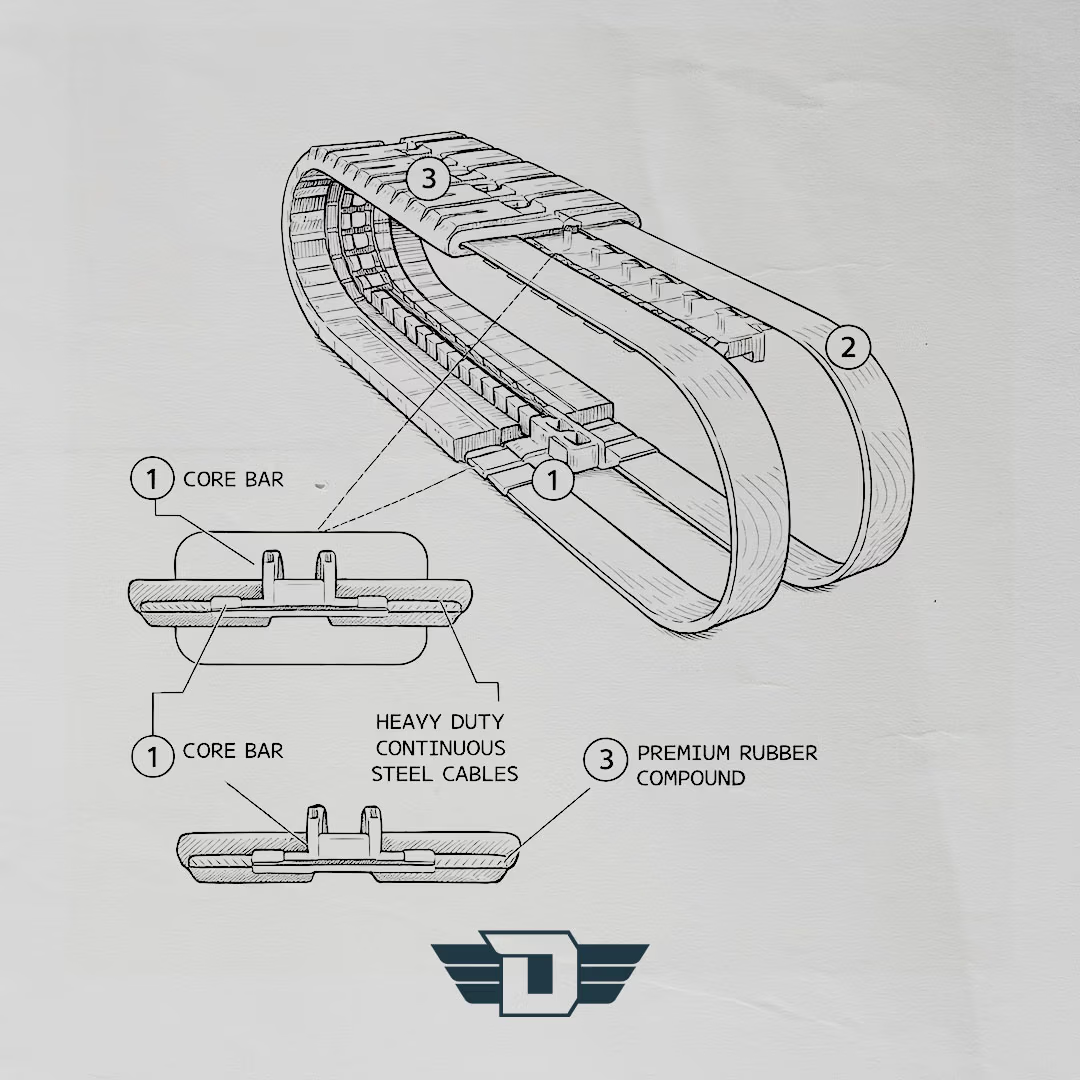
Track sizing is typically defined by width, pitch, and number of links. If you are off on any of those, the track may not fit, may ride wrong, or may de-track under load. Treat track sizing like hydraulic hoses, you match exactly, you do not guess.
CX Series note: track configuration can be unique, confirm exact fitment using model and serial details
CX Series literature describes a shorter left track design and an overall system built around manoeuvrability. That kind of layout is exactly why you confirm model and serial details before ordering, because “it looks like the same trencher” is not a fitment method.
Track lifespan drivers (abrasive ground, pavement, tension habits, misalignment)
Track life gets chewed up by abrasive ground, lots of pavement travel, poor tension habits, and undercarriage issues that force the track to wear unevenly. If you run in rock and frozen ground, plan for faster wear and keep a closer inspection schedule.
Best practices for ordering (measure, confirm model, confirm year, confirm undercarriage condition)
Use a simple ordering rhythm:
- Confirm model and year, then pull the exact manual or parts lookup info for that unit.
- Measure the track size if you can, and compare to what the manual calls for.
- Inspect rollers, idlers, and sprockets, because worn undercarriage parts can kill a new track early.
Shop Ditch Witch compatible rubber tracks, or call in with your model to confirm fit
Shop Ditch Witch compatible rubber tracks, or call in with your model to confirm fit.
Wrap up: Ordering replacement tracks is about exact fit and undercarriage health, now let’s cover the wear signs and the maintenance habits that prevent downtime on your ditch witch trencher.
Track wear signs and maintenance that prevent downtime
Most track failures do not come out of nowhere. This section shows you what wear looks like before it becomes a stoppage, what red flags mean you should stop and fix something, and a simple maintenance rhythm that fits real jobsite life.
Wear signs that mean “plan a replacement” (cracks, chunking, cords showing, missing lugs)
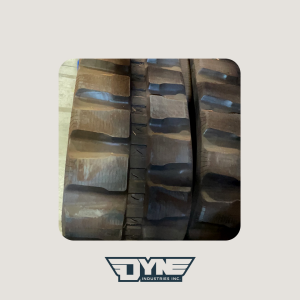
Plan a replacement when you see cracking across the carcass, chunking in the lugs, cords starting to show, or lugs worn down enough that traction is fading. If you wait until it fails, you are buying tracks under pressure, and that is when mistakes happen.
Red flags that mean “stop and fix” (de-tracking, severe cuts, bent rollers, leaking seals)
If a track is de-tracking, something is wrong right now. Severe cuts, bent rollers, leaking seals, or a track that walks off under load are not “finish the day” problems, they are “fix it before you wreck something” problems.
Quick maintenance rhythm (cleanout, inspection, tension checks, undercarriage checks)
A simple rhythm that works:
- Clean out packed mud and rock at the end of the shift
- Do a walk-around before the first trench, look for damage and misalignment
- Check tension on the schedule in your manual, do not over-tension just to feel “safe”
Point readers to manuals for model-specific procedures
Manuals matter here because procedures and specs are model-specific.
[External link: Ditch Witch Equipment Manuals -> URL placeholder]
Wrap-up: most track failures start small, the daily walk-around catches them early
Wrap up: Most track failures start small, and the daily walk-around catches them early, next we will talk about buying new versus used so you do not inherit someone else’s maintenance debt.
Buying a new vs used Ditch Witch trencher (what to inspect before you pay)
Buying a ditch witch trencher is not just about the sticker price, it is about what you are inheriting. This section lays out what you gain with new, what you risk with used, and the inspection points that matter most.
New: warranty, financing, latest features, higher upfront cost
New gets you warranty support, cleaner starting point, and usually easier parts and manual access. You pay more up front, but you reduce the odds of surprise downtime right after purchase.
Used: value, but inspection matters more than brand name
Used can be a great deal, but only if you inspect like you are the one who will be fixing it. Brand name does not protect you from worn chains, tired hydraulics, or a track system that is one job away from failure.
Used inspection checklist (chain and boom wear, sprockets, hydraulics, engine blow-by, steering, hour meter sanity check)
Check the digging system first, then the hydraulic system, then the engine health. Look for sloppy steering or controls, and treat hour meters as one clue, not the whole story.
Undercarriage checklist for tracked machines (rollers, idlers, sprockets, frame, track condition)
Undercarriage is where track machines hide their real cost. Inspect rollers, idlers, sprockets, the frame, and the tracks. If the undercarriage is worn, a “good deal” can turn into a fast parts list.
Legacy models you may still see (walk-behind 1030 and 1330 class, ride-on 3700, heavier HT115 class), plus “parts availability varies, confirm before buying”
You will still see older walk-behind and ride-on units in the wild. Parts availability varies by model and year, so confirm support before you buy, especially if the machine is going to be a daily money-maker.
Wrap up: A used ditch witch trencher can be solid value, but only if you inspect the digging system and undercarriage like downtime costs real money, because it does.
Cost expectations: rent vs buy (and what drives the number)
Costs swing a lot by region, season, attachments, and condition, especially in Canada. This section gives you the cost drivers that matter most, plus real-world examples from public rental rates and listings, used only as a rough reality check.
What affects cost most (machine class, depth capability, attachments, tracks vs wheels, condition, hours)
The biggest cost drivers are machine class, depth capability, attachments, tracks versus wheels, and overall condition. Hours matter too, but maintenance history usually matters more.
Rental pricing examples (call out that region and season matter)
Rental rates vary, but here are examples from public listings to set expectations:
- One Canadian rental listing shows a Ditch Witch RT45 around $550 per day, with weekly and monthly rates also posted. Treat that as one data point, not a quote.
- Walk-behind trenchers often rent for less than ride-ons, but the gap closes when you add trailers and specialty attachments.
Used pricing ranges from listings (use as a reality check, not a quote)
Used pricing moves with hours, condition, and the market. Public listing ranges can help you sanity-check a deal:
- MarketBook shows RT45 listings spanning a wide range across years and hours.
- The same is true for compact walk-behind models like C16X, where hours and condition drive the spread.
Budget line item many people miss: wear parts (chain, teeth, sprockets, tracks)
Wear parts are the quiet budget killers. Chains, teeth, sprockets, and rubber tracks are not “maybe,” they are “when.” If you are buying used, assume some wear parts are coming due unless you can prove otherwise.
Wrap-up: the cheapest machine often gets expensive if it cannot stay moving
Wrap up: The cheapest ditch witch trencher often gets expensive if it cannot stay moving, next we will tie everything together and give you clear next steps to protect uptime.
Conclusion: choose the right trencher, then protect your uptime
This is where you turn the guide into action. You will recap the selection logic, why tracks matter, and what to do next so your ditch witch trencher keeps earning instead of sitting.
Recap the selection logic (depth, soil, access, production)
Depth, soil, and access pick the class. Production needs and restoration expectations help you choose options and attachments. Start there and you will avoid most bad fits.
Recap why tracks matter (traction, flotation, fewer stoppages)
Tracks help with traction, flotation, and fewer stoppages in mixed ground, especially in wet seasons and soft conditions. The upside is real, but it depends on correct fit and basic maintenance.
Clear next steps:
- Check your model and year.
- Inspect your track condition.
- Order the correct replacement rubber tracks (and build a wishlist for future replacements).
Once you lock in the right ditch witch trencher and stay ahead of track wear, you protect the one thing that matters most on a jobsite, uptime.
FAQs: Ditch Witch Trenchers
These are quick answers to common questions people ask when they are researching a ditch witch trencher. Use them to sanity-check your plan before you rent, buy, or order tracks.
A ditch witch trencher cuts a narrow trench so you can install pipe, conduit, or cable at a consistent depth. It is faster and cleaner than hand digging for long runs.
It depends on the model and the digging setup. CX Series models list max trench depths from 24 to 48 in by model, while ride-ons are built for deeper trenching and higher production.
Walk-behinds are for tight access and smaller jobs, you walk behind and steer. Ride-ons are for longer runs and production, you operate from the machine and usually have more attachment options.
Most residential irrigation and many electrical runs fit within walk-behind depth ranges, but it depends on required cover and frost depth in your area. Start with required depth, then choose the smallest machine that hits it consistently.
Small roots, yes, often. Larger roots can slow you down, wear teeth fast, and pull the machine off line, so plan for cleanup and do not force production if you are chewing heavy roots.
Some rock, yes, depending on rock type and the digging system. If you hit hard rock, production can drop to near zero, wear parts can spike, and you may need a different method like a rock wheel, rock saw, or pre-breaking.
Yes, microtrenchers are designed for asphalt, and some models are also designed to cut through concrete depending on blade setup. Always match blade type to surface, and plan dust and spoil handling.
The brand dates back to the company’s early trenchers, and Ditch Witch has been tied to trenching equipment since the mid-1900s. That history is a big reason the name stuck.
A Quad-track trencher uses four tracks for traction, flotation, and stability. You need it when soft ground, slopes, or rough access would otherwise cause slipping, rutting, or getting stuck.
It depends on surface, soil abrasiveness, alignment, tension habits, and how clean you keep the undercarriage. If you run lots of rock, pavement, or frozen ground, plan for shorter life.
Cracks, chunking, cords showing, missing lugs, and loss of traction are common signs. De-tracking is a bigger red flag, it usually means something needs fixing right away.
Use the model and serial details, then confirm the exact size and specification through manuals or parts lookup. Measuring helps, but do not guess “close enough.”
Rent if you only trench occasionally or you are still proving your typical job size. Buy if trenching is frequent enough that rental costs and scheduling pain are holding you back.
There is a wide range based on model, year, hours, and attachments. Public listings can help you sanity-check the market, for example RT45 and C16X listings show broad spreads, but your real number depends on condition and region.
Wrap up: If you take one thing from these FAQs, it is this, match the ditch witch trencher to depth and ground conditions first, then protect uptime by staying ahead of track wear.
Keep Learning