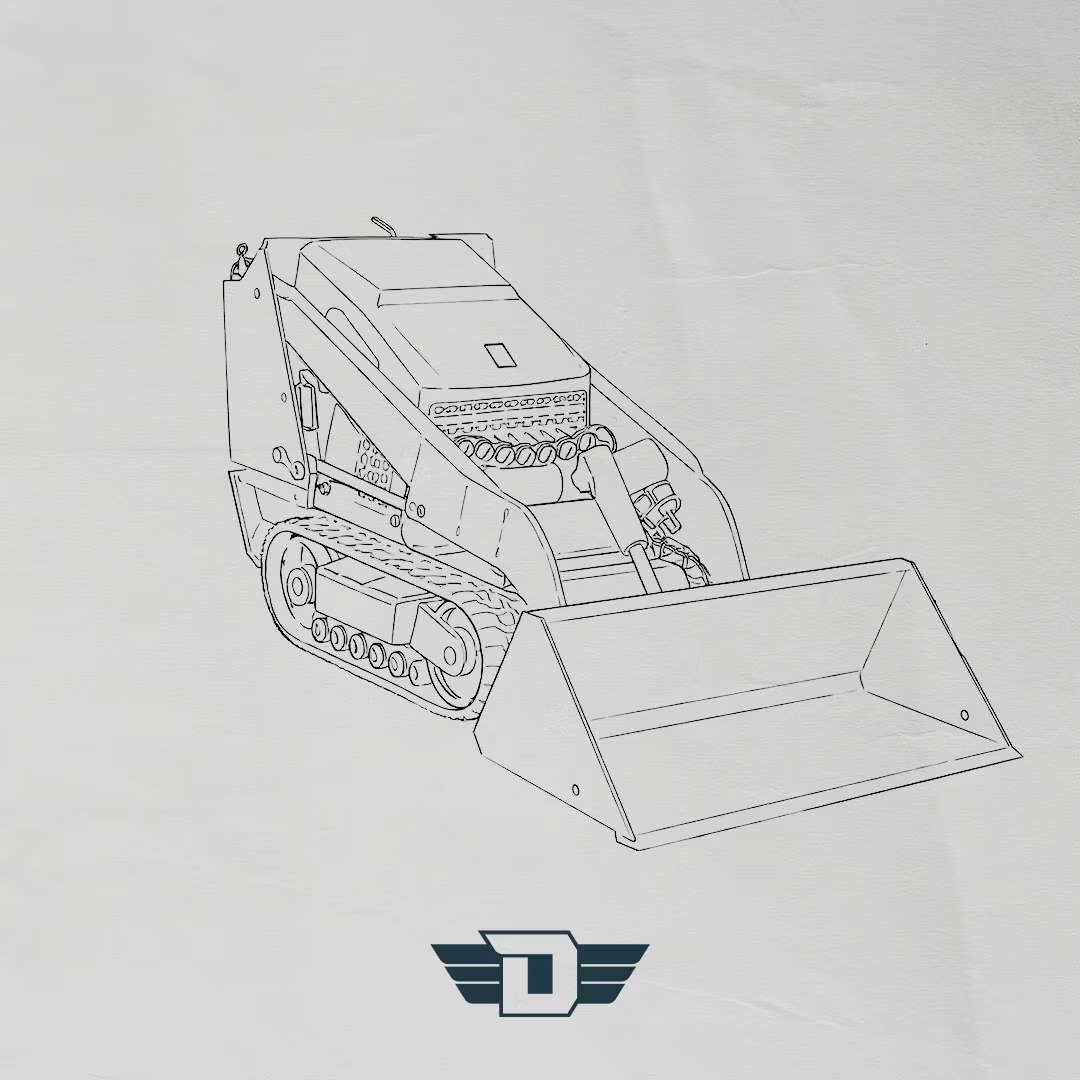


The Ditch Witch SK800 is one of those machines that earns its keep when the site is tight and the schedule is tighter.
It is compact enough to slip through gates and work in backyards, but it can still move real material, run serious attachments, and keep a crew productive.
But the SK800 also has a way of punishing sloppy habits. Pivot turns on hard ground, packed mud in the undercarriage, rushed warmups in the cold, all of it adds up.
That is usually when rubber tracks start slipping, de-tracking, or tearing at the worst possible time.
In this guide, we will break down what the Ditch Witch SK800 is best at, the specs buyers actually compare, and how lift numbers work in the real world.
We will also cover attachments, operating tips, safety, transport, and the maintenance checks that keep downtime low.
If you are running an SK800 in construction, landscaping, utility, or property work, this is the kind of practical info that helps you finish the job without wrecking your tracks or your timeline.
Now let’s start with what the SK800 is, and who it is built for.
TL:DR
- The Ditch Witch SK800 is a stand-on compact tool carrier built for tight access jobs that still need real lifting and attachment versatility.
- Track width matters, 7-inch fits tighter spaces, 9-inch spreads weight better on soft ground, confirm your setup before ordering.
- Most track failures come from operator habits, avoid pivot turns on concrete, do wide turns, and do not spin under load.
- Warm up in cold weather before pushing hydraulics hard, cold oil makes controls feel sluggish and can change stopping feel.
- Attachments change balance fast, keep loads low, slow down on slopes, and do not assume lift ratings apply to every setup.
- Clean the undercarriage often, packed mud and rocks increase wear and can cause de-tracking.
- If you are seeing chunking, slipping, exposed cords, or repeated de-tracking, replace tracks before downtime spreads.
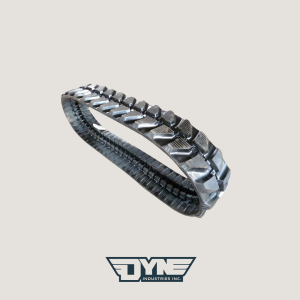
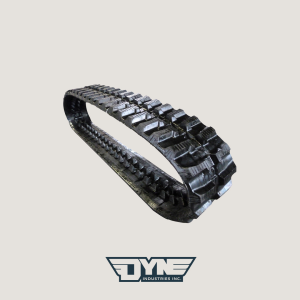
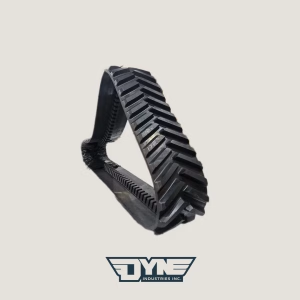
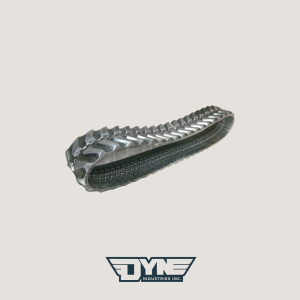
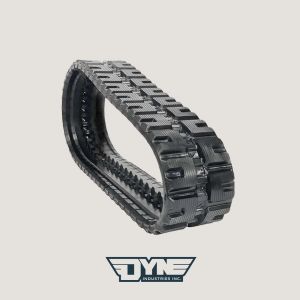
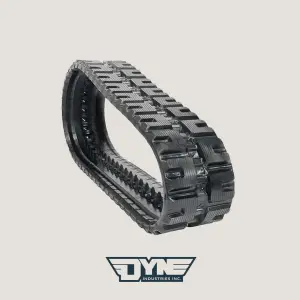
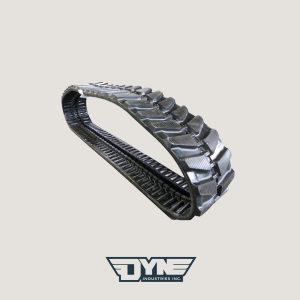
- Need replacements for your Ditch Witch SK800, shop our rubber tracks here.
Shop Rubber tracks
Get Back on Track, Fast
Search, Quote, Ship, Back to Work
What the Ditch Witch SK800 is and who it’s for
If you run crews, rentals, or compact equipment on tight sites, the Ditch Witch SK800 shows up a lot. In this section, you will get a clear picture of what it is, who it fits, and what this guide will help you do faster on the job.
What the SK800 is (stand-on, rubber track compact tool carrier for medium-duty work)
The SK800 is a platform, rubber track compact tool carrier built for medium-duty construction work.
It is designed for rental, professional, and commercial operators, and it uses a quick attach plate so you can swap attachments without turning the day into a wrenching session.
Who runs it most (rental fleets, contractors, landscapers, utility crews)
You see the Ditch Witch SK800 with contractors doing site work, landscapers moving material, and utility crews supporting trenching and backfill.
Rental fleets also like it because it is compact, versatile, and easier to train on than bigger machines (as long as users respect the platform and track wear basics).
What this guide covers (specs, lift numbers, attachments, operating tips, track care, maintenance)
This guide covers the Ditch Witch SK800 specs people actually compare, how lift ratings really work, and how attachments change what the machine can safely do.
It also covers operating habits that save rubber tracks, plus transport and maintenance checks that prevent surprise downtime.
If your goal is fewer track issues, fewer stalled jobs, and fewer “why is this thing acting up” mornings, you are in the right place.
Next, let’s talk about rubber tracks for the Ditch Witch SK800, because that is where downtime usually starts.
Rubber tracks for Ditch Witch SK800 (buy guide first, downtime later)
Rubber tracks are not just a wear item, they are uptime insurance.
In this section, you will learn how track width affects access and ground pressure, when to replace tracks, and the operator habits that chew tracks up faster than most people realise.
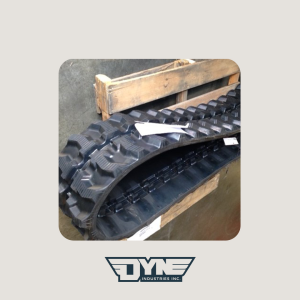
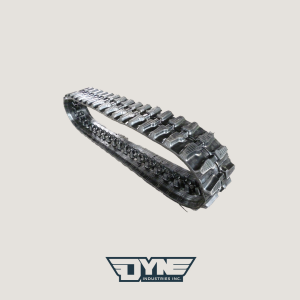
Fast answer: the track size you’re linking (SK800, 7-inch width option) and why it matters for ground pressure and access
If you are running the 7-inch (180 mm) track setup, the spec sheet lists the machine width at about 36 in (91 cm) with 7-inch tracks. That narrower stance can be the difference between getting through a gate or not.
That same spec sheet lists ground pressure at 5.2 psi on 7-inch tracks, versus 4.3 psi on 9-inch tracks. Lower ground pressure usually helps on soft ground, higher ground pressure usually sinks faster, and it can change how clean your finish looks in mud or turf.
Shop SK800 rubber tracks here:
Short note before you order: confirm your exact model and your current track width.
The Ditch Witch SK800 can be set up with different widths depending on configuration, and ordering the wrong width is a fast way to waste a week.
When to replace tracks (jobsite symptoms, slipping, chunking, repeated de-tracking)
Most people wait too long because the machine still “moves.” Here are the real jobsite signs it is time:
- You see chunking, torn lugs, or exposed cords.
- The machine starts slipping sooner on slopes or in wet clay.
- You de-track more often, especially on tight turns or uneven ground.
- The track will not hold tension, or it needs constant adjustment.
- You feel extra vibration or hear more undercarriage noise than normal.
If you are losing half days to de-tracking, you are not saving money by stretching tracks. You are just moving the bill into labour, scheduling stress, and pissed off customers.
Best jobsite fit for rubber tracks (where they shine, where they get chewed up)
Rubber tracks shine on soil-based sites, turf, and mixed ground where you need traction without tearing everything up.
They also help on muddy work because the machine can keep moving when wheels would spin out.
Where rubber tracks get chewed up is hard surfaces and sharp debris.
Broken concrete, riprap, rebar ends, and constant turning on asphalt or hardpack can take a “new” track and make it look old fast. The operator manual calls out that rubber tracks are best suited to soil-based jobsites with minimal rocks and debris.
Track wear prevention (the real causes operators repeat by accident)
Most track damage is not a bad track, it is a bad habit repeated 50 times a day.
The operator manual is blunt about what wears tracks out: spinning under heavy load, turning on sharp objects, quick turns on asphalt or concrete, driving over curbs or ledges, rubbing track edges against hard walls, and operating on corrosive materials like salt or fertilizer.
Here is the jobsite translation:
- Make wide turns whenever you can.
- Slow down before you turn, especially with a load.
- Do not pivot on sharp rock or demo debris.
- Avoid curbs and ledges, climb them only when you must, and do it slow.
- If you work around salt or fertilizer, clean the undercarriage sooner, not later.
If you want the Ditch Witch SK800 to stay reliable, tracks are a daily decision, not just a parts purchase.
Next, let’s look at what makes the SK800 different from smaller mini skid steers, so you can match the machine to the work.
SK800 at a glance (what makes it different from smaller mini skid steers)
The SK800 sits in that sweet spot where it still fits tight access, but it can do real work. In this section, you will learn what features matter most on the job and where the Ditch Witch SK800 tends to earn its keep.
Key features that matter on the job
The spec sheet highlights a stand-on platform design, a compact footprint, and construction-grade capability.
It also lists a rated operating capacity of 911 lb and a hinge-pin height of 83 in, which gives you useful lift for loading and placement tasks.
The SK800 spec sheet also calls out a high-drive track system design and a low-maintenance track-tensioning setup that uses a grease cylinder, which is practical because track adjustments are part of life on tracked machines.
Where the SK800 fits best
The Ditch Witch SK800 fits best where you need a compact machine that can still push, carry, and lift with confidence.
Think landscaping, utility support, property maintenance, and small site work where a full-size skid steer is too big, or where ground conditions are rough.
It is big enough to do real work, but small enough to get into tight spaces. That is why it shows up on so many mixed crews.
Now that you have the big-picture fit, let’s get into the Ditch Witch SK800 specs buyers compare, and why people get lift numbers wrong all the time.
Ditch Witch SK800 specs that buyers actually compare
Specs matter when you are choosing rentals, bidding work, or buying used. In this section, you will get the core SK800 numbers (with context), plus simple explanations so you do not get tricked by marketing labels or bad assumptions.
Lift numbers explained (and why people get them wrong)
Most people compare lift numbers without asking, “lift how, and with what attachment?” That is how machines get tipped, and how crews get hurt.
The spec sheet lists rated operating capacity as 911 lb (35% of tipping capacity), with tipping capacity listed as 2,605 lb.
The operator manual shows that lift-related numbers can vary by version and assumptions.
In the manual’s specification section, it explains that rated operating capacity was determined using a standard bucket at maximum reach, with the centre of gravity set a specific distance from the attachment plate, and that actual capacity varies with the attachment.
Rated operating capacity vs tipping capacity
Tipping capacity is basically “the point where it will start to go over” in a controlled test setup. Rated operating capacity is a safer working number based on a fraction of tipping capacity, and it helps keep you from gambling with stability.
What “35% tipping load” means in plain language
“35% tipping load” means the rated number is roughly 35% of the tipping number, using a defined test method. It is a conservative way to rate the machine so operators have a margin when ground is uneven, loads shift, or you turn.
Why attachments change real-world lift performance
Attachments move the load forward, change the centre of gravity, and can add a lot of weight. The operator manual is clear that actual operating capacity may vary depending on the attachment.
Bottom line: a light bucket and a heavy grapple do not behave the same, even if the “lift rating” number is the same.
Size, width, and access
Access is money. If you cannot get through the gate, you are carrying material by hand.
The spec sheet lists 36 in (91 cm) width with 7-inch tracks, and about 42 in (107 cm) width with 9-inch tracks. That is a big difference in tight yards.
Ground clearance also matters on rutted sites. The spec sheet lists minimum ground clearance at the centre around 8.9 in, and at the side around 3.7 in.
Overall width and why track width (7-inch vs 9-inch) changes where you can work
7-inch tracks can fit tighter access. 9-inch tracks usually spread weight better and can feel more stable on soft ground, but you give up some access. Your best choice depends on what you drive through every day.
Ground clearance basics (center vs side)
Centre clearance helps you avoid high-centre hangups. Side clearance helps when you are riding edges, ruts, or uneven debris. If you work in rocky ground, clearance is not a nice-to-have, it is a damage control tool.
Transport footprint considerations (trailers, gates, tight yards)
The spec sheet lists overall length with a standard bucket at 105 in, and length with no attachment at 86 in. That helps when you are planning trailer deck space and tie-down placement.
Engine and hydraulics overview
You do not need to memorise pump charts, but you do need to know what drives attachment performance. In plain terms, hydraulics are what make your auger, broom, grapple, or trencher head feel strong or weak.
The spec sheet lists a Kubota D1105 diesel engine, with a gross power rating of 24.8 hp and EPA Tier 4 emissions compliance.
It also lists auxiliary hydraulic flow at 12 gpm and pressure at 3,000 psi. Those numbers matter because many attachments have minimum flow needs to run properly.
Kubota diesel basics
Diesel is common in this class because it delivers steady torque and tends to hold up well in rental and contractor use. The spec sheet confirms diesel fuel for the Ditch Witch SK800.
Hydraulic flow and pressure, what it means for attachment performance
Flow is how fast the hydraulic oil moves, pressure is how hard it can push. More flow usually means faster attachment speed, and enough pressure helps attachments keep working when the load bites back.
Cold-weather reality check for hydraulic warmup
Cold hydraulic oil makes machines feel sluggish, and it can change how the machine stops and responds. The operator manual warns that cold hydraulic fluid can lengthen ground drive stopping time, and it recommends allowing time to warm before operating in cold weather.
Specs are useful, but they only matter if the machine matches the work. Next, let’s break down the jobs the Ditch Witch SK800 is built for, by trade.
Jobs the SK800 is built for (use cases by trade)
A machine can look great on paper and still be the wrong tool for your day. In this section, you will see where the Ditch Witch SK800 usually performs best, and what to watch for in real jobsite conditions.
Landscaping and hardscape work
The Ditch Witch SK800 is a solid fit for moving base material, hauling pallets with forks, spreading soil, and supporting auger work.
It is also handy for cleanup because it can move through tight yards where bigger machines cannot.
If you do hardscape, the key is staying smooth on turns and avoiding sharp rubble. Broken pavers and crushed rock love to eat track lugs if you pivot too aggressively.
Underground and utility support
Utility crews use compact tool carriers for spoils handling, backfill support, and site prep around trenches.
The trick here is planning your travel paths so you are not constantly pivoting on sharp gravel at the trench edge.
Before you dig, always handle locates and markings like it is a big job, even if the trench is “small.” That is how you avoid the day-ending mistake.
Construction and property maintenance
On construction sites, the Ditch Witch SK800 is useful for demo cleanup, material staging, and light grading support.
It is also a strong option for property maintenance work where access is limited and you still need traction.
If you spend time on hard surfaces, protect your tracks by turning wide and slowing down, especially when loaded.
Rental fleet considerations
Rental fleets like the Ditch Witch SK800 because it fits a lot of jobs and it is easier to transport than heavier machines. The weak point is usually renters who pivot on concrete or ignore basic warmup and track checks.
If you rent one, do a quick walk-around, check the tracks for damage, and make sure the parking brake area is clean and working. The manual calls out checking the parking brake pin movement and cleaning mud and debris from around it.
Once you know the right jobs, running the machine smoothly is the next big win. Next, let’s look at controls and operation basics, so the Ditch Witch SK800 feels predictable instead of twitchy.
Controls and operation basics (so you can run it smoothly)
Smooth operation saves tracks, saves fuel, and saves your crew’s nerves. In this section, you will learn the basic driving and turning behaviours that matter most, plus visibility habits that reduce close calls.
Operator station essentials (what does what)
Exact control layout can vary by configuration, but the basics are consistent: ground drive controls, throttle, lift arm and attachment controls, and auxiliary controls for powered attachments.
The operator manual is clear on one critical rule: operate the machine from the operator platform, not from the ground. That is part of staying in control, and it matters on uneven sites.
How it drives and turns
The manual describes steering behaviour for joystick and dual-control setups. In simple terms, small movements make gradual turns, and pushing one control against the other makes the tracks counter-rotate for tight turns.
Tight turns are useful, but they are also a track-wear multiplier. Use them when you must, not as your default turning style.
“Operate from the platform” and visibility habits
Platform machines give you good sight lines, but you still need to actively scan, especially in congested areas.
The manual specifically tells operators to drive carefully in congested areas, know the machine’s clearance and turning radius, and survey the field of vision while operating.
If you build a habit of slow travel, steady turns, and constant scanning, you will avoid most “near miss” stories. Next, let’s cover safety and jobsite prep, including the stuff many guides skip, like locates, slopes, and emergency situations.
Safety and jobsite prep (unique section most competitors skip)
A lot of mini skid steer content talks about attachments and ignores the real risks. In this section, you will get a practical prep routine that protects your crew, your customers, and your schedule.
Before you dig: utilities and site planning
Before you dig, get locates, mark utilities, and plan your path. Even shallow digging can hit lines, and the cost of a strike is not just repair, it is delays, safety risk, and paperwork.
Do a quick hazard scan before you drive in:
- Slope areas and soft ground
- Drop-offs, ditches, and hidden voids
- Traffic lanes and spotter needs
- Overhead lines and low branches
The manual stresses that slope safety depends on many factors like load height, ground conditions, speed, turning, and braking. You cannot boil it down to one “safe slope number” for every situation.
PPE and simple rules that prevent ugly days
Keep PPE simple and consistent:
- Head protection where required
- Eye protection (especially around dust, brush, or demolition)
- Hearing protection (the spec sheet lists operator sound pressure at 89 dBA)
- Boots with grip
- Gloves for attachment handling and hose connections
Also keep the platform clear, keep spectators back, and stop if something feels off. That “we can probably finish it” mindset is how jobs go sideways.
Emergency situations operators should know
If you hit something you should not have, stop and make it safe before you make it worse.
For power lines, the priority is staying clear and following your local emergency procedures.
For gas or fibre, stop work, clear the area, and call it in.
One more practical note: the manual includes high-pressure hydraulic safety warnings, including relieving pressure before opening lines and using cardboard or wood instead of hands to check for leaks. That is worth taking seriously because injection injuries are life-changing.
Good jobsite prep keeps you out of trouble, but daily operation is where most wear and incidents happen. Next, let’s walk through starting, running, and shutting down the Ditch Witch SK800 the right way.
Starting, running, and shutting down the SK800 the right way
Starting and shutdown habits affect hydraulics, track life, and how long the machine lasts. In this section, you will get a simple routine for normal starts, cold starts, slope work, and track-saving operation.
Normal start and warm-up habits
The operator manual’s start steps are straightforward: keep controls in neutral, set the parking brake, start the engine, then run at low throttle under light load for at least one minute before heavier work.
That one minute feels slow when you are behind schedule, but it is faster than dealing with sluggish hydraulics under load.
Cold starts (how to avoid hard starts and sluggish hydraulics)
Cold weather changes everything. The manual recommends warming engine and hydraulic fluid by gradually increasing engine speed for up to 30 minutes in cold weather. It also warns that cold hydraulic fluid can lengthen stopping time.
Glow plug timing and cold-start details vary by engine and setup, so follow your machine’s manual and do not use starter fluid (the manual warns against it).
Slope operation rules that keep you upright
Slope safety is not just “how steep.” It is load height, ground firmness, speed, turning, and operator skill.
The manual lists key slope habits: operate at slow speed on rough terrain, avoid driving across slopes, avoid jerky control movements, keep the heavy end uphill, and keep the attachment low to the ground.
It also states a maximum engine lubrication angle of 20 degrees as a design limit, and it warns not to use design limits alone to decide what is safe for variable conditions.
Reduce track wear (operator habits that save money)
If you remember one section from this guide, make it this one. Track wear is mostly operator behaviour.
The manual’s track wear advice is clear: drive slowly and make wide turns, avoid spinning under heavy load, avoid turning on sharp objects, avoid quick turns on asphalt or concrete, avoid curbs and ledges, and avoid corrosive materials like salt or fertilizer.
Also build one cleanup habit: at the end of the day, knock mud and rocks out of the undercarriage. Packed debris changes tension and can push a track off when you turn.
Strong operating habits keep the machine predictable. Next, let’s talk attachments for the Ditch Witch SK800, and how to choose the right setup without overloading the machine or wasting hydraulic power.
Attachments for the Ditch Witch SK800 (how to choose the right setup)
Attachments are where the Ditch Witch SK800 earns its keep, or where it gets abused. In this section, you will learn quick-attach basics, hydraulic hookup habits, common attachment categories, and mistakes that cause damage or tip risks.
Quick-attach basics (how the connection works)
The SK800 uses a quick attach plate designed to make connecting attachments easier.
Your job is to keep the plate clean and make sure the latch is fully engaged. Dirt and rocks are the main reason pins do not seat properly.
Hydraulic attachments and couplers (what to check)
Hydraulic hookups need clean connections. Wipe couplers before you connect, and relieve pressure before disconnecting lines. The manual includes clear warnings about relieving pressure before opening hydraulic connections.
Some attachments also require a case drain line. If you are not sure, check the attachment manual or dealer support, because running the wrong setup can smoke seals quickly.
Common attachment categories people run on an SK800
Common SK800 attachment types include:
- Buckets and material buckets
- Pallet forks
- Augers
- Trenching and underground tools
- Grading tools
- Grapples
- Brooms
Match the attachment to soil and ground conditions. For example, augers in rocky ground demand patience, steady pressure, and good spoil management.
Mistakes to avoid with attachments
The big mistakes look like this:
- Using attachments that are not approved or not matched to hydraulic flow
- Ignoring how the attachment changes stability and lift
- Not verifying latch engagement
- Running high throttle when you do not need it (it just increases heat and wear)
The operator manual also reminds you to follow the attachment operation manual for proper use. That is not fluff, it is how you avoid wrecking expensive tools.
Once attachments are handled, transport is the next place operators lose time and damage equipment. Next, let’s cover transporting the SK800, including loading, tie-down, and retrieval.
Transporting the SK800 (loading, tie-down, and retrieval)
Transport problems are avoidable, but they still happen every week. In this section, you will get a practical routine for lifting, trailering, loading and unloading, and what to do when the machine needs retrieval.
Lifting safely
Use proper lift points. The operator manual says lifting points are identified by lifting decals, and lifting at other points is unsafe and can damage the machine.
It also clearly states: only lift the unit without the attachment installed.
Trailering and tie-down basics
Before loading, inspect the trailer. The manual includes checks like hitch condition, lights, tire pressure, and ensuring the trailer brakes are adjusted to come on with the tow vehicle brakes.
It also recommends loading so that 10 to 15 percent of total vehicle weight is on the tongue to help prevent trailer sway.
For tie-downs, use the machine’s tie-down points. The manual notes that securing at other points is unsafe and can damage machinery.
Loading and unloading steps
Keep it slow and controlled:
- Attach trailer to vehicle before loading
- Load and unload on level ground
- Keep the attachment low while moving
- Align straight on ramps
- Set parking brake, neutral controls, and shut down before tying down
The manual lays out a step sequence that includes aligning with ramps, driving forward slowly, lowering the attachment, setting the parking brake, ensuring controls are neutral, shutting off, and then tying down.
Recovery and towing (when things go sideways)
Tracked machines are not meant to be towed like a dead pickup. If you need retrieval, keep it slow, minimise distance, and follow your service guidance. If the engine will not start, plan recovery so you do not damage drive components.
Good transport habits protect the machine, but maintenance is what keeps it earning. Next, let’s break down maintenance that keeps the Ditch Witch SK800 reliable, including track tension and undercarriage care.
Maintenance that keeps the SK800 reliable (daily, weekly, hourly)
Most breakdowns start as small maintenance misses. In this section, you will get daily checks, track tension guidance, cooling system habits, filter reminders, and simple storage routines that prevent morning surprises.
Daily and “before startup” checks
Do these before the first job, not after the first problem:
- Check fluids (fuel, engine oil, coolant, hydraulic level)
- Look for leaks at hoses and couplers
- Check guards and shields
- Check air intake areas for plugging
- Inspect tracks and undercarriage for cuts, missing lugs, and packed debris
If the machine was parked in mud overnight, expect packed sprockets and rollers in the morning.
Track tension and undercarriage care (high-value section)
Track tension is one of the biggest causes of de-tracking and wear. The operator manual says to check track tension before startup and every 10 hours, and it describes using a gauge that threads into a connection point.
It also gives a target range: track is correctly tensioned when the gauge measures 700 to 900 psi (48 to 62 bar).
Over-tight tracks add stress and heat. Under-tight tracks de-track easier, especially in turns.
One more safety note: the manual includes a serious warning about pressure in the grease cylinder and instructs operators to stand away from the zerk and cover the connection with heavy cloth when relieving pressure. Treat that as non-negotiable.
Cooling system and overheating prevention
Mini skid steers work in dust, grass, and chaff all day. Cooling systems plug fast.
The manual says to check the radiator and hydraulic cooler every 50 hours and clean as needed, and it calls out dirt, grass, and debris buildup. It also cautions not to damage fins with high pressure air or water.
Filters and service intervals operators forget
Air filters and hydraulic filters are easy to ignore until power drops. Build a routine around your service schedule and the machine’s indicators.
If you run in dusty conditions, shorten your cleaning intervals. Dust does not care what the calendar says.
Fuel and cold weather notes
The spec sheet confirms diesel fuel and a Tier 4 compliant engine.
For cold weather, focus on clean fuel, proper winter handling, and warmup time. The operator manual’s cold weather guidance is clear: warm engine and hydraulic fluid gradually, and remember cold hydraulics affect stopping distance and control feel.
Washing and storage
Wash with intention. Do not blast electrical areas or controls, and do not force water where it does not belong.
If you are storing the machine, reduce rust risk, lubricate where recommended, and keep rodents out of engine compartments if you park inside.
Maintenance keeps you ahead of problems, but it helps to know what problems are common. Next, let’s cover common mini skid steer issues, and how Ditch Witch SK800 owners can prevent them.
Common problems with mini skid steers (and how SK800 owners can prevent them)
Most “common problems” are patterns, not mysteries. In this section, you will learn the big buckets of problems, what causes them, and what to do early so they do not become expensive.
Track problems
The usual track problems are de-tracking, fast wear, and damaged lugs.
Causes are nearly always some mix of wrong tension, tight pivot turns on hard surfaces, and debris packing in rollers and sprockets. The manual reinforces both track tension checks and track-wear reduction habits for a reason.
Hydraulic performance problems
Hydraulics get slow when oil is cold, filters are plugged, or coolers are clogged. If auxiliary power feels weak, check for dirty couplers, hose damage, and overheating signs.
The manual also stresses relieving pressure before disconnecting hydraulic lines, which helps prevent damage and injury during troubleshooting.
Starting and electrical headaches
Most starting issues come from battery condition, loose connections, or cold weather routines. If the engine turns but does not start, follow your manual procedure and avoid shortcuts like starter fluid (the manual warns against it).
Operator mistakes that cause expensive wear
The big four are:
- Spinning tracks under load
- Sharp turns on concrete or asphalt
- Climbing curbs and ledges aggressively
- Skipping warmup, then working hard immediately
The operator manual directly calls out those track-killing behaviours.
If you prevent these common issues, buying used becomes less risky and daily operation becomes smoother.
Next, let’s walk through buying a used Ditch Witch SK800, including what to inspect before you commit.
Buying a used Ditch Witch SK800 (what to inspect before you commit)
Used equipment can be a great deal, or it can be a slow-motion breakdown you paid for. In this section, you will get a simple used-buy checklist focused on the stuff that actually costs money: undercarriage, hydraulics, and evidence of rough operation.
Identify the exact machine
Start with the serial number. The operator manual includes a serial number location section and tells you to record the serial number and date of purchase.
Also confirm track width and attachment setup. On the spec sheet, 7-inch tracks and 9-inch tracks change machine width and ground pressure, which affects where the machine fits and how it performs on soft ground.
Walk-around checklist
Look at the undercarriage first:
- Track condition (cuts, chunking, exposed cords)
- Rollers and sprockets (wear patterns, noise, wobble)
- Evidence of chronic de-tracking (fresh rub marks, damaged guides)
Then check hydraulics:
- Leaks at hoses and couplers
- Cylinder rod condition and seal leakage
- Attachment plate condition and latch function
Hours matter, but condition matters more. A rental machine with good maintenance can be better than a low-hour machine that was abused on concrete.
Test run checklist
During a test run:
- Drive forward and reverse, then do gradual turns and tight turns
- Operate lift and auxiliary functions and feel for lag or surging
- Watch for warning lights and overheating signs
- Listen for undercarriage noise that changes under load
If possible, run it long enough to get some heat in the hydraulics. Some problems only show up when oil warms.
A careful used-buy process protects your budget, and it also tells you what maintenance and track work to plan right away.
Next, let’s wrap it all up with the key decisions that keep the Ditch Witch SK800 working and downtime low.
Conclusion: Keep your SK800 working and your downtime low
If you are relying on the Ditch Witch SK800 to keep crews moving, small details make big differences.
In this section, you will get a quick summary of the decisions that matter most, so you can protect uptime and avoid track-related delays.
The key decisions are simple: understand real lift ratings, choose attachments that match the work, and run the machine with track-saving habits. Then back it all up with daily checks, cooler cleaning, and correct track tension, using the manual’s gauge method and target range.
Final reminder: match track width and tread to your work. If you need tight access, 7-inch tracks can help, and the spec sheet shows how much width changes between 7-inch and 9-inch setups.
Shop Dyne Ditch Witch SK800 rubber tracks here:
Now, let’s finish with a short FAQ that covers the questions people ask most when they are buying, running, or maintaining a Ditch Witch SK800.
FAQs about the Ditch Witch SK800
If you are scanning for quick answers, this section is for you. These are the questions that come up most often when someone is researching the Ditch Witch SK800 or trying to keep one working through a busy season.
The published rated operating capacity depends on how the machine is measured and what attachment is installed. The spec sheet lists 911 lb rated operating capacity (35% of tipping capacity).
In real life, attachments can reduce what you can safely lift because they move weight forward and change balance. The operator manual notes that actual operating capacity may vary depending on the attachment.
It means the “rated operating capacity” number is based on 35% of the tipping capacity number, using a defined test method. It is meant to give a safer working rating than “max before it tips.”
It also assumes a specific setup, and the manual explains that rated capacity was determined using a standard bucket at maximum reach with a defined centre of gravity position.
Yes. The spec sheet lists the engine as a Kubota D1105 and fuel type as diesel.
If you are buying used, confirm the exact engine and serial number so you know what service parts and emissions setup apply.
The SK800 can be configured with different track widths. The spec sheet lists machine width at 36 in with 7-inch tracks and 42 in with 9-inch tracks.
Ground pressure also changes, listed as 5.2 psi with 7-inch tracks and 4.3 psi with 9-inch tracks.
Drive slower, make wide turns, and avoid pivoting on hard surfaces and sharp debris.
The operator manual specifically warns against spinning under heavy load, turning on sharp objects, quick turns on asphalt or concrete, driving over curbs or ledges, and operating on corrosive materials like salt or fertilizer.
Also keep debris cleaned out of the undercarriage, because packed mud and rocks can force a track off when you turn.
That covers the most common questions, and it should help you make smarter track and operating decisions on the Ditch Witch SK800. If you want the fastest path to fewer track problems, start by confirming your track width, then order the right replacement tracks before the next job chews them up.
Keep Learning